• MAIN PAGE
  • LATEST NEWS
    • Lost Cities
    • Archaeology's Greatest Finds
    • Underwater Discoveries
    • Greatest Inventions
    • Studies
    • Blog
  • PHILOSOPHY
  • HISTORY
  • RELIGIONS
    • Africa
    • Anatolia
    • Arabian Peninsula
    • Balkan Region
    • China - East Asia
    • Europe
    • Eurasian Steppe
    • Levant
    • Mesopotamia
    • Oceania - SE Asia
    • Pre-Columbian Civilizations of America
    • Iranian Plateau - Central Asia
    • Indus Valley - South Asia
    • Japan
    • The Archaeologist Editor Group
    • Scientific Studies
    • Aegean Prehistory
    • Historical Period
    • Byzantine Middle Ages
    • Predynastic Period
    • Dynastic Period
    • Greco-Roman Egypt
  • Rome
  • PALEONTOLOGY
  • About us
Menu

The Archaeologist

  • MAIN PAGE
  • LATEST NEWS
  • DISCOVERIES
    • Lost Cities
    • Archaeology's Greatest Finds
    • Underwater Discoveries
    • Greatest Inventions
    • Studies
    • Blog
  • PHILOSOPHY
  • HISTORY
  • RELIGIONS
  • World Civilizations
    • Africa
    • Anatolia
    • Arabian Peninsula
    • Balkan Region
    • China - East Asia
    • Europe
    • Eurasian Steppe
    • Levant
    • Mesopotamia
    • Oceania - SE Asia
    • Pre-Columbian Civilizations of America
    • Iranian Plateau - Central Asia
    • Indus Valley - South Asia
    • Japan
    • The Archaeologist Editor Group
    • Scientific Studies
  • GREECE
    • Aegean Prehistory
    • Historical Period
    • Byzantine Middle Ages
  • Egypt
    • Predynastic Period
    • Dynastic Period
    • Greco-Roman Egypt
  • Rome
  • PALEONTOLOGY
  • About us

The Lost Temples of Angkor Before Angkor Wat

December 11, 2025

Early Religious Centers

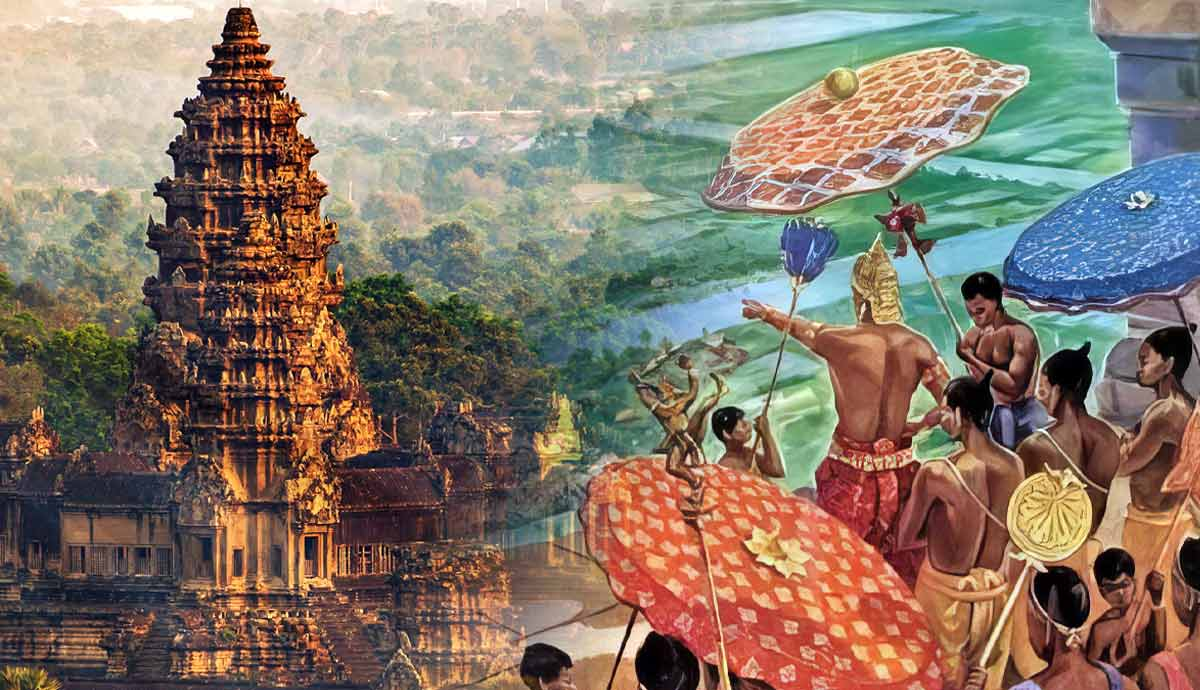
– Before the construction of Angkor Wat in the 12th century, earlier Khmer kings built vast temple complexes dedicated to Hindu deities.
– These early temples, such as Phnom Bakheng, Pre Rup, Ak Yum, and Bakong, served as both spiritual centers and political symbols.
– Many were dedicated to Shiva, reflecting the strong influence of Indian religion on Khmer culture.

Architectural Innovations

– Builders experimented with sandstone, brick, and laterite, refining techniques for carving intricate sculptures and decorating temple walls.
– Temples were constructed as symbolic mountains (temple-mountains), representing Mount Meru, the cosmic home of the gods.
– The use of moats, reservoirs, and symmetrically planned courtyards set the stage for later architectural masterpieces.

Spiritual and Political Significance

– Early temples were not merely places of worship—they legitimized kingship by linking rulers to divine power.
– Priests performed rituals, offerings, and royal ceremonies, reinforcing the sacred nature of kingship.
– Many temples served as intellectual hubs where scholars studied astrology, philosophy, and sacred texts.

Rediscovery and Preservation

– Over centuries, vegetation and shifting political power caused many temples to be abandoned.
– Archaeologists have since uncovered lost structures, revealing a complex spiritual landscape predating Angkor Wat.
– These early temples illuminate the evolution of Khmer religious architecture.
← The Sacred Trees of Ancient Pagan CulturesThe Role of the Turtle in Ancient Mythology →
Featured
image_2025-12-12_001750915.png
Dec 11, 2025
The Ancient Astronomers of Chichen Itza
Dec 11, 2025
Read More →
Dec 11, 2025
image_2025-12-12_001705363.png
Dec 11, 2025
The Sacred Trees of Ancient Pagan Cultures
Dec 11, 2025
Read More →
Dec 11, 2025
image_2025-12-12_001605843.png
Dec 11, 2025
The Lost Temples of Angkor Before Angkor Wat
Dec 11, 2025
Read More →
Dec 11, 2025
image_2025-12-11_235943300.png
Dec 11, 2025
The Role of the Turtle in Ancient Mythology
Dec 11, 2025
Read More →
Dec 11, 2025
image_2025-12-11_235452975.png
Dec 11, 2025
The Terracotta Army: Guardians of China's First Emperor
Dec 11, 2025
Read More →
Dec 11, 2025
image_2025-12-11_234715866.png
Dec 11, 2025
The Nazca Civilization Before the Lines
Dec 11, 2025
Read More →
Dec 11, 2025
read more

Powered by The archaeologist