• MAIN PAGE
  • LATEST NEWS
    • Lost Cities
    • Archaeology's Greatest Finds
    • Underwater Discoveries
    • Greatest Inventions
    • Studies
    • Blog
  • PHILOSOPHY
  • HISTORY
  • RELIGIONS
    • Africa
    • Anatolia
    • Arabian Peninsula
    • Balkan Region
    • China - East Asia
    • Europe
    • Eurasian Steppe
    • Levant
    • Mesopotamia
    • Oceania - SE Asia
    • Pre-Columbian Civilizations of America
    • Iranian Plateau - Central Asia
    • Indus Valley - South Asia
    • Japan
    • The Archaeologist Editor Group
    • Scientific Studies
    • Aegean Prehistory
    • Historical Period
    • Byzantine Middle Ages
    • Predynastic Period
    • Dynastic Period
    • Greco-Roman Egypt
  • Rome
  • PALEONTOLOGY
  • About us
Menu

The Archaeologist

  • MAIN PAGE
  • LATEST NEWS
  • DISCOVERIES
    • Lost Cities
    • Archaeology's Greatest Finds
    • Underwater Discoveries
    • Greatest Inventions
    • Studies
    • Blog
  • PHILOSOPHY
  • HISTORY
  • RELIGIONS
  • World Civilizations
    • Africa
    • Anatolia
    • Arabian Peninsula
    • Balkan Region
    • China - East Asia
    • Europe
    • Eurasian Steppe
    • Levant
    • Mesopotamia
    • Oceania - SE Asia
    • Pre-Columbian Civilizations of America
    • Iranian Plateau - Central Asia
    • Indus Valley - South Asia
    • Japan
    • The Archaeologist Editor Group
    • Scientific Studies
  • GREECE
    • Aegean Prehistory
    • Historical Period
    • Byzantine Middle Ages
  • Egypt
    • Predynastic Period
    • Dynastic Period
    • Greco-Roman Egypt
  • Rome
  • PALEONTOLOGY
  • About us

The Role of the Turtle in Ancient Mythology

December 11, 2025

Cosmic Symbolism Across Cultures

– In Hindu mythology, the world rests on the back of a cosmic turtle, representing stability and universal order.
– Native American traditions often describe the Earth as having formed on Turtle Island, created when a turtle supported soil gathered by water animals.
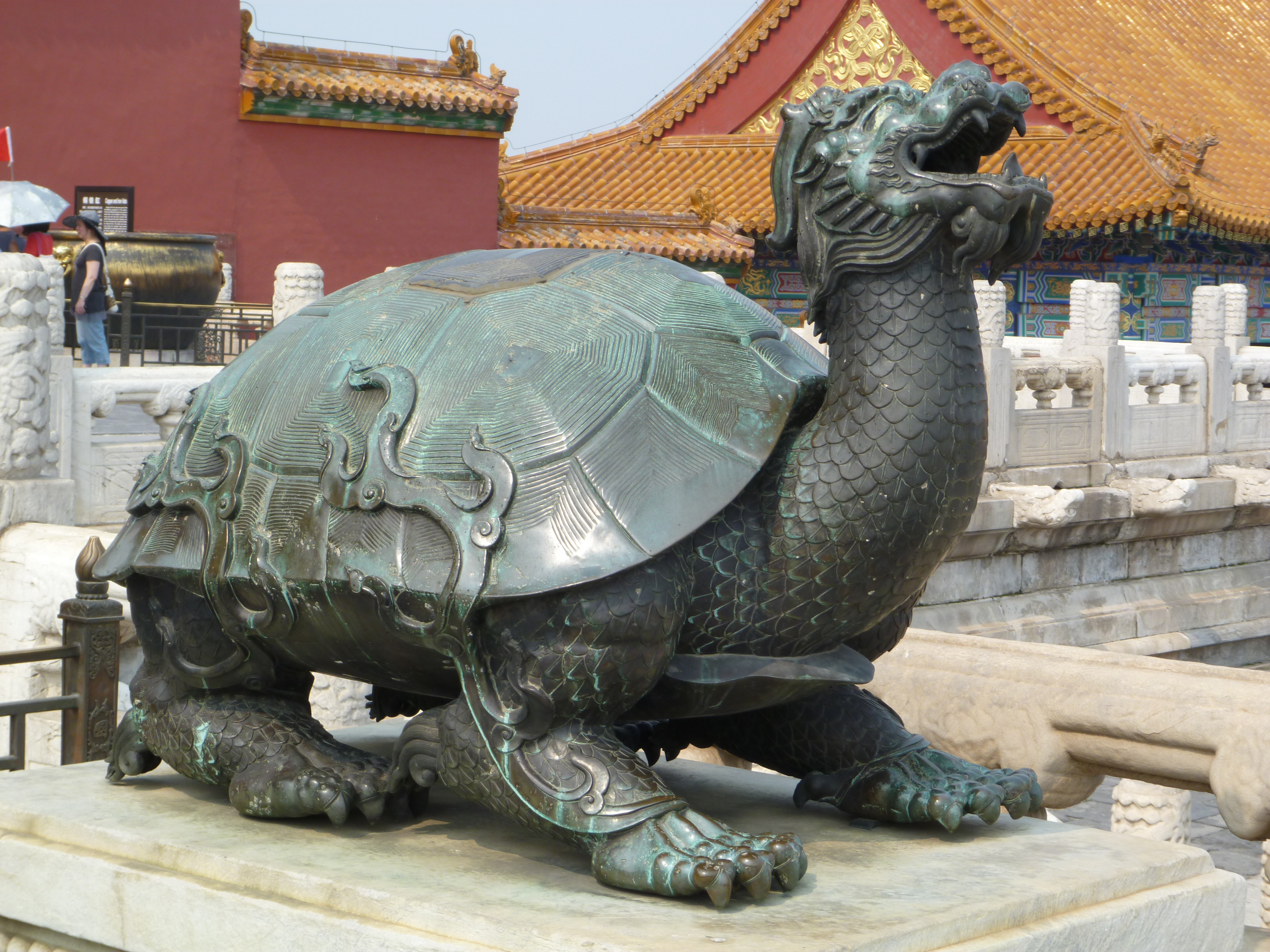
– Chinese mythology depicts the turtle as one of the Four Sacred Beasts, symbolizing wisdom, longevity, and protection.

Themes and Shared Meanings

– The turtle’s long lifespan made it a symbol of immortality, patience, and the cycles of creation.
– Its dual existence on land and in water represented the balance between physical and spiritual realms.
– The creature’s protective shell was seen as a miniature universe: the dome of heaven above and the foundation of the earth below.

Myths and Stories

– In Hindu stories, the turtle incarnation of Vishnu, Kurma, supported the gods during the churning of the cosmic ocean.
– Iroquois creation stories describe the turtle as the foundation of the Earth after Sky Woman descended from the heavens.
– Chinese legends claim that the turtle’s shell provided early humans with the patterns for writing and divination.

Cultural Legacy

– Turtles appear in art, jewelry, temple carvings, and ritual objects across ancient civilizations.
– They symbolize continuity, protection, and the eternal nature of the cosmos.
– Their enduring presence in mythology reflects their profound symbolic power in human imagination.

← The Lost Temples of Angkor Before Angkor WatThe Terracotta Army: Guardians of China's First Emperor →
Featured
image_2025-12-12_001750915.png
Dec 11, 2025
The Ancient Astronomers of Chichen Itza
Dec 11, 2025
Read More →
Dec 11, 2025
image_2025-12-12_001705363.png
Dec 11, 2025
The Sacred Trees of Ancient Pagan Cultures
Dec 11, 2025
Read More →
Dec 11, 2025
image_2025-12-12_001605843.png
Dec 11, 2025
The Lost Temples of Angkor Before Angkor Wat
Dec 11, 2025
Read More →
Dec 11, 2025
image_2025-12-11_235943300.png
Dec 11, 2025
The Role of the Turtle in Ancient Mythology
Dec 11, 2025
Read More →
Dec 11, 2025
image_2025-12-11_235452975.png
Dec 11, 2025
The Terracotta Army: Guardians of China's First Emperor
Dec 11, 2025
Read More →
Dec 11, 2025
image_2025-12-11_234715866.png
Dec 11, 2025
The Nazca Civilization Before the Lines
Dec 11, 2025
Read More →
Dec 11, 2025
read more

Powered by The archaeologist