Ancient Egyptian medicine was one of the most advanced medical systems of the ancient world, combining practical treatments with religious and magical beliefs. Egyptian physicians were highly respected specialists, and medical knowledge was often passed down through training and written records. Doctors were usually priests, which meant healing was seen as both a physical and spiritual process. Illness was believed to be caused by natural factors, divine punishment, or evil spirits, so treatment often addressed all three.
One of the strongest pieces of evidence for Egyptian medical knowledge comes from medical papyri. The Edwin Smith Papyrus, dating to around 1600 BCE, is considered the earliest known surgical text. It describes trauma cases such as fractures, head injuries, and wounds in a logical, systematic way. The text includes examination methods, diagnoses, treatment plans, and prognoses, showing that Egyptian doctors relied heavily on observation and experience. Unlike other texts, it contains little magic, suggesting a scientific approach to surgery.
Another important document is the Ebers Papyrus, which focuses more on internal medicine and herbal remedies. This papyrus lists hundreds of treatments for conditions such as digestive problems, infections, heart disease, and skin disorders. Ingredients included honey, garlic, onions, dates, aloe, and various minerals. Honey, in particular, was widely used because of its antibacterial properties, especially for wound care. Many of these remedies have been proven effective by modern science.
Ancient Egyptian surgeons used a wide range of medical tools made from bronze and copper. Archaeological discoveries show scalpels, forceps, needles, saws, and probes, indicating that minor surgeries were common. Evidence from mummies suggests that doctors performed procedures such as setting broken bones, stitching wounds, and even amputations. Prosthetic toes and fingers found on mummies show attempts to restore mobility and quality of life.
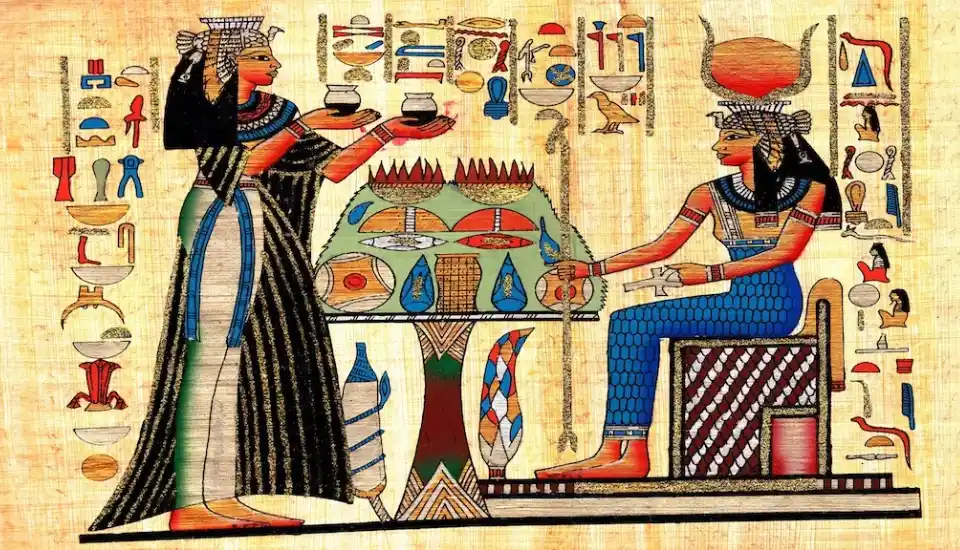
Religion played a major role in healing. Gods such as Sekhmet, the goddess of healing and disease, and Thoth, the god of knowledge, were closely associated with medicine. Amulets, spells, and prayers were often used alongside physical treatments to protect patients from supernatural harm. This combination of medicine and magic reflects the Egyptian belief that health depended on balance between the body, spirit, and divine order.
Overall, ancient Egyptian medicine laid the foundation for later medical traditions in Greece and Rome. Their written records, surgical techniques, and herbal knowledge demonstrate a surprisingly advanced understanding of the human body for their time.