• MAIN PAGE
  • LATEST NEWS
    • Lost Cities
    • Archaeology's Greatest Finds
    • Underwater Discoveries
    • Greatest Inventions
    • Studies
    • Blog
  • PHILOSOPHY
  • HISTORY
  • RELIGIONS
    • Africa
    • Anatolia
    • Arabian Peninsula
    • Balkan Region
    • China - East Asia
    • Europe
    • Eurasian Steppe
    • Levant
    • Mesopotamia
    • Oceania - SE Asia
    • Pre-Columbian Civilizations of America
    • Iranian Plateau - Central Asia
    • Indus Valley - South Asia
    • Japan
    • The Archaeologist Editor Group
    • Scientific Studies
    • Aegean Prehistory
    • Historical Period
    • Byzantine Middle Ages
    • Predynastic Period
    • Dynastic Period
    • Greco-Roman Egypt
  • Rome
  • PALEONTOLOGY
  • About us
Menu

The Archaeologist

  • MAIN PAGE
  • LATEST NEWS
  • DISCOVERIES
    • Lost Cities
    • Archaeology's Greatest Finds
    • Underwater Discoveries
    • Greatest Inventions
    • Studies
    • Blog
  • PHILOSOPHY
  • HISTORY
  • RELIGIONS
  • World Civilizations
    • Africa
    • Anatolia
    • Arabian Peninsula
    • Balkan Region
    • China - East Asia
    • Europe
    • Eurasian Steppe
    • Levant
    • Mesopotamia
    • Oceania - SE Asia
    • Pre-Columbian Civilizations of America
    • Iranian Plateau - Central Asia
    • Indus Valley - South Asia
    • Japan
    • The Archaeologist Editor Group
    • Scientific Studies
  • GREECE
    • Aegean Prehistory
    • Historical Period
    • Byzantine Middle Ages
  • Egypt
    • Predynastic Period
    • Dynastic Period
    • Greco-Roman Egypt
  • Rome
  • PALEONTOLOGY
  • About us
No results found

The Temples of Ancient Armenia

January 2, 2026

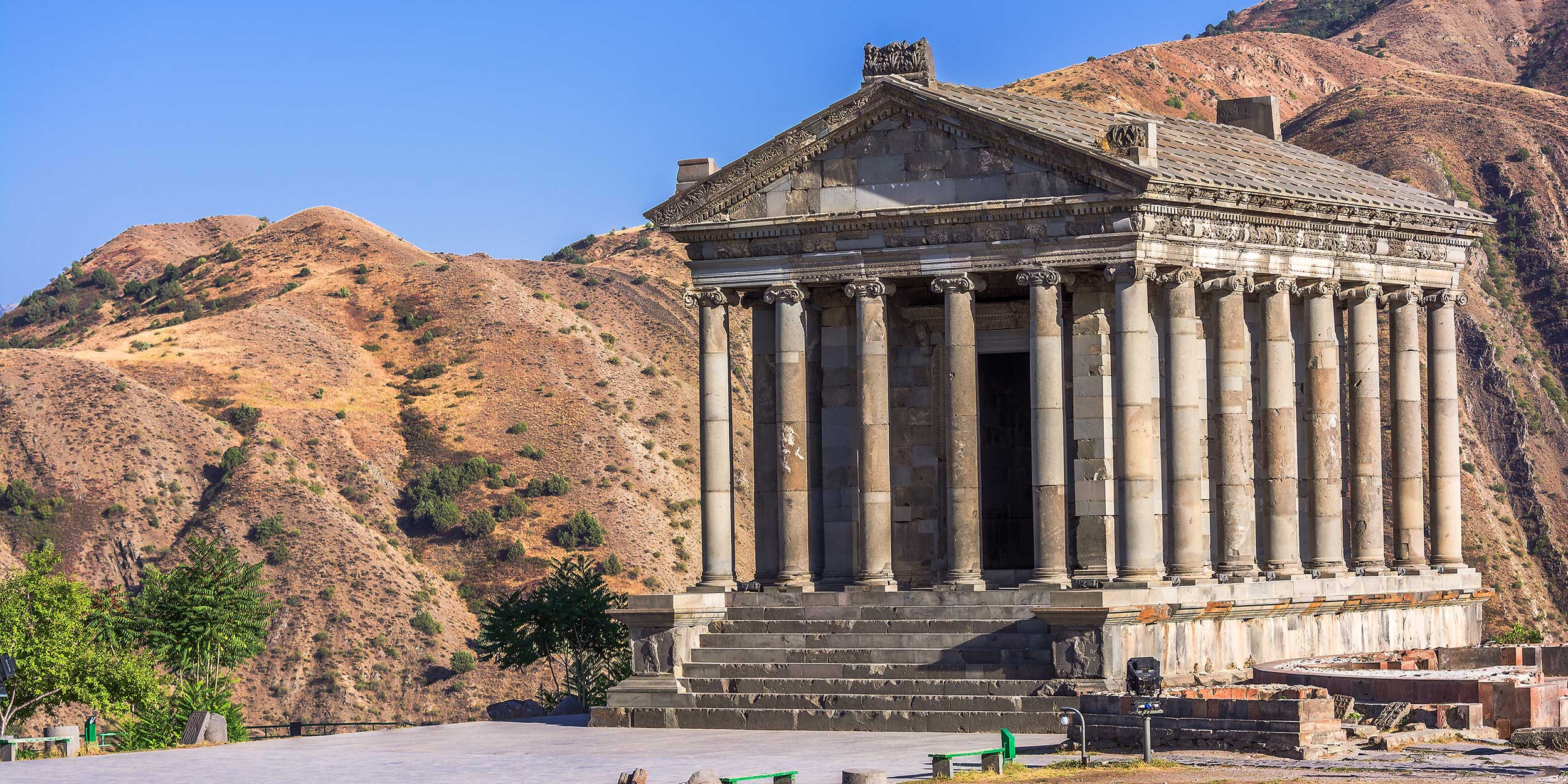
Before adopting Christianity in the 4th century CE, Armenia practiced a rich pagan tradition influenced by Iranian and local beliefs. Temples were dedicated to gods such as Mihr, Anahit, and Vahagn, associated with the sun, fertility, and war.

The most famous surviving structure is the Temple of Garni, a Greco-Roman style temple dedicated to Mihr. These temples served as religious, political, and cultural centers. Rituals included offerings, festivals, and royal ceremonies.

When Armenia became the first Christian state, many pagan temples were destroyed or repurposed. However, their architectural and cultural legacy provides valuable insight into pre-Christian Armenian identity and spirituality.
← The Medicine of Ancient EgyptThe Sacred Fire of Ancient Persia →
Featured
image_2026-05-19_184606008.png
May 20, 2026
Ancient Egyptian Papyrus: The Manufacturing of the World’s First Paper
May 20, 2026
Read more →
May 20, 2026
image_2026-05-19_184520739.png
May 20, 2026
The Roman Colosseum: The Logistics of Flooding the Arena
May 20, 2026
Read more →
May 20, 2026
image_2026-05-19_184342121.png
May 20, 2026
Ancient Greek Sanctuaries: The Sacred Topography of Olympia
May 20, 2026
Read more →
May 20, 2026
image_2026-05-19_184305969.png
May 20, 2026
The Neolithic Site of Çatalhöyük: Life in the World’s First City
May 20, 2026
Read more →
May 20, 2026
image_2026-05-19_184217330.png
May 20, 2026
Roman Military Uniforms: The Evolution of the Lorica Segmentata
May 20, 2026
Read more →
May 20, 2026
image_2026-05-19_184126927.png
May 20, 2026
The Viking Discovery of Greenland: Erik the Red’s Settlement
May 20, 2026
Read more →
May 20, 2026
read more

Powered by The archaeologist