Introduction
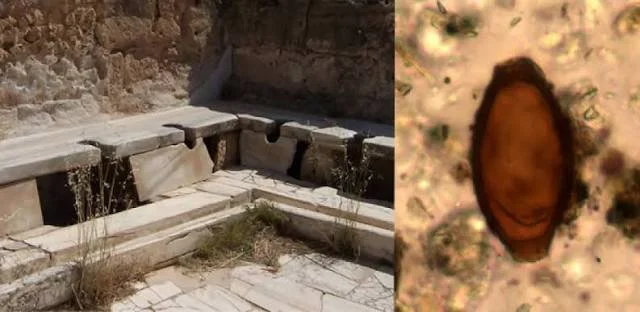
Latrines may appear to be unpromising archaeological features, but they can preserve an unusually rich record of everyday life. Their deposits may contain food remains, seeds, animal bones, parasite eggs, medicinal plant residues, pottery, and other materials discarded through daily activities.
Because latrines received waste from households, workplaces, and public spaces, they can reveal aspects of diet and health that are often absent from written records. They can also preserve evidence of urban sanitation systems, changing hygiene practices, and the movement of people and goods.
Microarchaeology—the study of very small material traces and microscopic evidence—has expanded the information that researchers can recover from these deposits. Yet latrine assemblages are complex. Material may enter through several routes, and the contents can change chemically after deposition. Interpreting them requires careful sampling, laboratory analysis, and attention to archaeological context.
What Is a Latrine Archaeologically?
A latrine is a place or structure intended for the collection or disposal of human waste.
Historical towns used a variety of arrangements, including pits, cesspits, privies, drains, and more elaborate sanitation systems. Their construction and maintenance depended on local resources, urban density, available water, and public regulations.
Not every pit containing organic waste was a latrine. Some features served as rubbish pits, wells, storage spaces, or drainage structures before being reused for disposal.
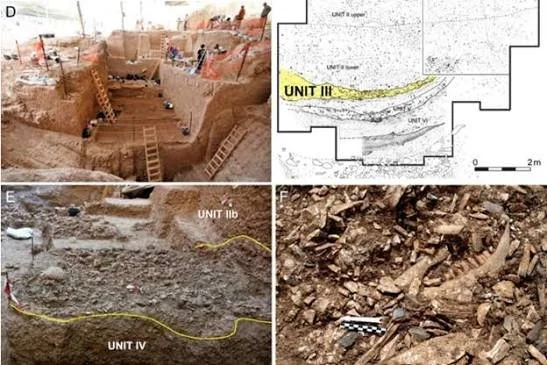
Archaeologists examine construction, sediment layers, chemical composition, associated artifacts, and the feature's position within a settlement to determine its likely function.
Why Latrine Deposits Preserve So Much Information
Human waste contains material that passes through the digestive system, including microscopic plant remains, parasite eggs, and other biological traces.
People also discarded objects and household waste into latrines. As a result, a single deposit may contain evidence from several activities.
The material can include:
seeds and fruit stones,
fish bones and other animal remains,
pollen and plant fragments,
parasite eggs,
medicinal or aromatic plant remains,
textile fibers,
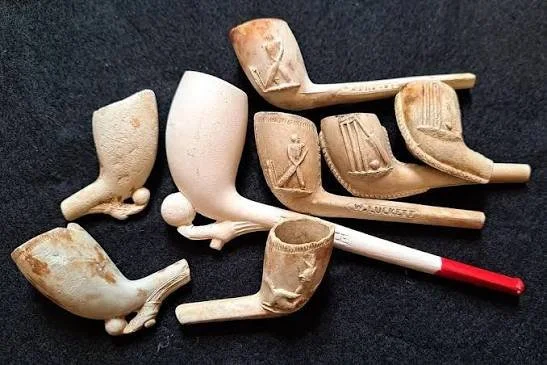
pottery and glass,
and small personal objects.
These materials do not all have the same meaning. A seed might come from food, animal feed, medicinal preparation, or environmental contamination. Interpretation depends on the species, condition, context, and associated evidence.
Reconstructing Diet
Latrine deposits can reveal foods that people consumed and processed.
Seeds, fruit stones, fish bones, and other remains may identify particular food resources. Some plants are more likely to survive than others, and different processing methods affect what remains in the archaeological record.
A high concentration of fruit stones might indicate the consumption or processing of fruit, but it could also reflect the disposal of a specific preparation waste. Fish bones may reveal the use of aquatic resources, although their abundance depends on preservation and disposal practices.
Researchers can compare latrine remains with evidence from kitchens, marketplaces, animal bones, and written accounts to reconstruct broader dietary patterns.
Food Processing and Urban Supply
Towns depend on networks that bring food from surrounding farms, fisheries, markets, and distant regions.
Latrine deposits may contain evidence of foods that were not produced locally. Plant species, fish remains, and other materials can help researchers investigate trade and supply.
However, the presence of an imported food does not automatically prove that every household could afford it. Different deposits may represent different social groups, and some materials may have entered through commercial or institutional settings.
Comparing several sites can help determine whether a food was widely consumed or restricted to particular households.
Parasites and Ancient Public Health
Parasite eggs can survive in archaeological deposits under suitable conditions.
Their identification may provide evidence of infections affecting past populations. Some parasites spread through contaminated soil or water, while others are associated with food preparation, sanitation, or particular environmental conditions.
The presence of parasite eggs in a latrine indicates that infected individuals may have used the facility, but it does not directly establish the prevalence of infection across the entire town.
A single deposit may represent a small number of people or a particular period. Researchers must also consider whether the eggs were deposited during the latrine's original use or introduced later.
Microscopic Analysis
Microscopic methods are central to the study of latrines.
Researchers may use flotation and sieving to recover plant remains, while microscopy can identify seeds, pollen, fibers, and parasite eggs.
Sediment samples may be examined to determine whether particular layers contain evidence of repeated use, flooding, or later disturbance.
Chemical analysis can reveal differences in organic content or the accumulation of substances associated with waste.
Each method answers a different question. A complete interpretation often requires multiple forms of evidence rather than relying on a single indicator.
Medicinal Plants and Historical Healthcare
Some latrine deposits contain plant remains that may have been used in medicinal preparations.
Historical medical traditions used a wide range of herbs, roots, seeds, and other materials. People might prepare these substances as teas, infusions, poultices, or other remedies.
Finding a medicinally useful plant in a latrine does not automatically prove that it was used as medicine. The same plant might have been eaten as food, used as seasoning, fed to animals, or discarded during processing.
To investigate medicinal use, researchers compare the botanical evidence with contemporary medical texts, local plant traditions, preparation vessels, and the broader archaeological context.
Even when a particular use cannot be confirmed, the remains can reveal which plants were available to urban residents.
Latrines and the Spread of Disease
Sanitation infrastructure influences how waste moves through an urban environment.
Poorly maintained latrines, leaking pits, contaminated water sources, and inadequate drainage can create conditions in which certain pathogens spread.
Archaeological evidence may help researchers investigate these conditions, particularly when latrine deposits are studied alongside wells, drains, water channels, and settlement layouts.
However, a latrine containing parasites does not independently establish a town-wide epidemic. Disease transmission depends on multiple factors, including population density, water supply, food handling, housing, and human behavior.
Historical records and other environmental evidence can help establish whether particular periods experienced outbreaks or changing health conditions.
Class and Access to Sanitation
Sanitation systems often reflected differences in wealth and urban planning.
Some households had private facilities, while others relied on shared or public arrangements. In dense neighborhoods, waste disposal could be shaped by limited space and unequal access to infrastructure.
Archaeologists can compare latrine construction, maintenance, capacity, and associated artifacts across different parts of a town.
Yet a well-built latrine does not automatically indicate a wealthy household, and a simple pit does not necessarily prove poverty. Institutional buildings, rented properties, and communal facilities may produce different patterns.
Documentary sources can help identify who used a facility and how responsibility for its maintenance was organized.
Latrine Deposits as Time Capsules
Some latrines were filled and sealed relatively quickly, preserving material from a short period. Others were used over many years, creating layered deposits.
A sealed deposit may provide a useful snapshot of consumption and disposal practices, but it still requires careful dating.
Objects can be residual, meaning they were already old when deposited. Material can also enter through later disturbance or contamination.
Archaeologists use stratigraphy, artifact dating, and scientific methods to establish how the deposit formed and which materials belong together.
Laboratory Challenges and Contamination
Microarchaeological research is vulnerable to contamination.
Modern plant material, laboratory handling, water used during processing, or disturbance by animals can introduce material that was not part of the original deposit.
Researchers use clean sampling methods, controls, and documented laboratory procedures to reduce these risks.
Preservation is another challenge. Some organic materials survive well in waterlogged or oxygen-poor conditions, while others disappear quickly. The absence of a particular food or parasite does not necessarily mean that it was absent from the past.
What Latrines Cannot Tell Us Alone
Latrine deposits are valuable but incomplete records.
They cannot provide a full account of diet because many foods leave few recognizable remains. They cannot reveal an individual's diagnosis simply through the presence of a plant that could have been medicinal. Nor can parasite eggs alone reconstruct the entire health profile of a population.
Researchers must avoid making broad claims from small samples.
The best interpretations compare latrine evidence with human remains, kitchen deposits, animal bones, historical texts, water systems, and other archaeological features.
Conclusion
The microarchaeology of latrines offers a detailed view of urban life by revealing microscopic traces of food, medicine, parasites, and waste disposal. These deposits can help reconstruct dietary choices, supply networks, sanitation practices, and some aspects of public health.
Their greatest value comes from the combination of different forms of evidence. Seeds and bones can illuminate food consumption, parasite eggs can indicate past infections, and chemical or sediment analysis can reveal how waste accumulated.
Yet latrine deposits are not simple records of individual behavior. They may contain material from several people, activities, and periods. Through careful sampling, contextual analysis, and cautious interpretation, archaeologists can use these unassuming features to investigate the everyday conditions that shaped life in historical towns.