• MAIN PAGE
  • LATEST NEWS
    • Lost Cities
    • Archaeology's Greatest Finds
    • Underwater Discoveries
    • Greatest Inventions
    • Studies
    • Blog
  • PHILOSOPHY
  • HISTORY
  • RELIGIONS
    • Africa
    • Anatolia
    • Arabian Peninsula
    • Balkan Region
    • China - East Asia
    • Europe
    • Eurasian Steppe
    • Levant
    • Mesopotamia
    • Oceania - SE Asia
    • Pre-Columbian Civilizations of America
    • Iranian Plateau - Central Asia
    • Indus Valley - South Asia
    • Japan
    • The Archaeologist Editor Group
    • Scientific Studies
    • Aegean Prehistory
    • Historical Period
    • Byzantine Middle Ages
    • Predynastic Period
    • Dynastic Period
    • Greco-Roman Egypt
  • Rome
  • PALEONTOLOGY
  • About us
Menu

The Archaeologist

  • MAIN PAGE
  • LATEST NEWS
  • DISCOVERIES
    • Lost Cities
    • Archaeology's Greatest Finds
    • Underwater Discoveries
    • Greatest Inventions
    • Studies
    • Blog
  • PHILOSOPHY
  • HISTORY
  • RELIGIONS
  • World Civilizations
    • Africa
    • Anatolia
    • Arabian Peninsula
    • Balkan Region
    • China - East Asia
    • Europe
    • Eurasian Steppe
    • Levant
    • Mesopotamia
    • Oceania - SE Asia
    • Pre-Columbian Civilizations of America
    • Iranian Plateau - Central Asia
    • Indus Valley - South Asia
    • Japan
    • The Archaeologist Editor Group
    • Scientific Studies
  • GREECE
    • Aegean Prehistory
    • Historical Period
    • Byzantine Middle Ages
  • Egypt
    • Predynastic Period
    • Dynastic Period
    • Greco-Roman Egypt
  • Rome
  • PALEONTOLOGY
  • About us

The Mysterious Death Masks of Ancient Kings

December 4, 2025

Preserving Faces and Authority Across Civilizations

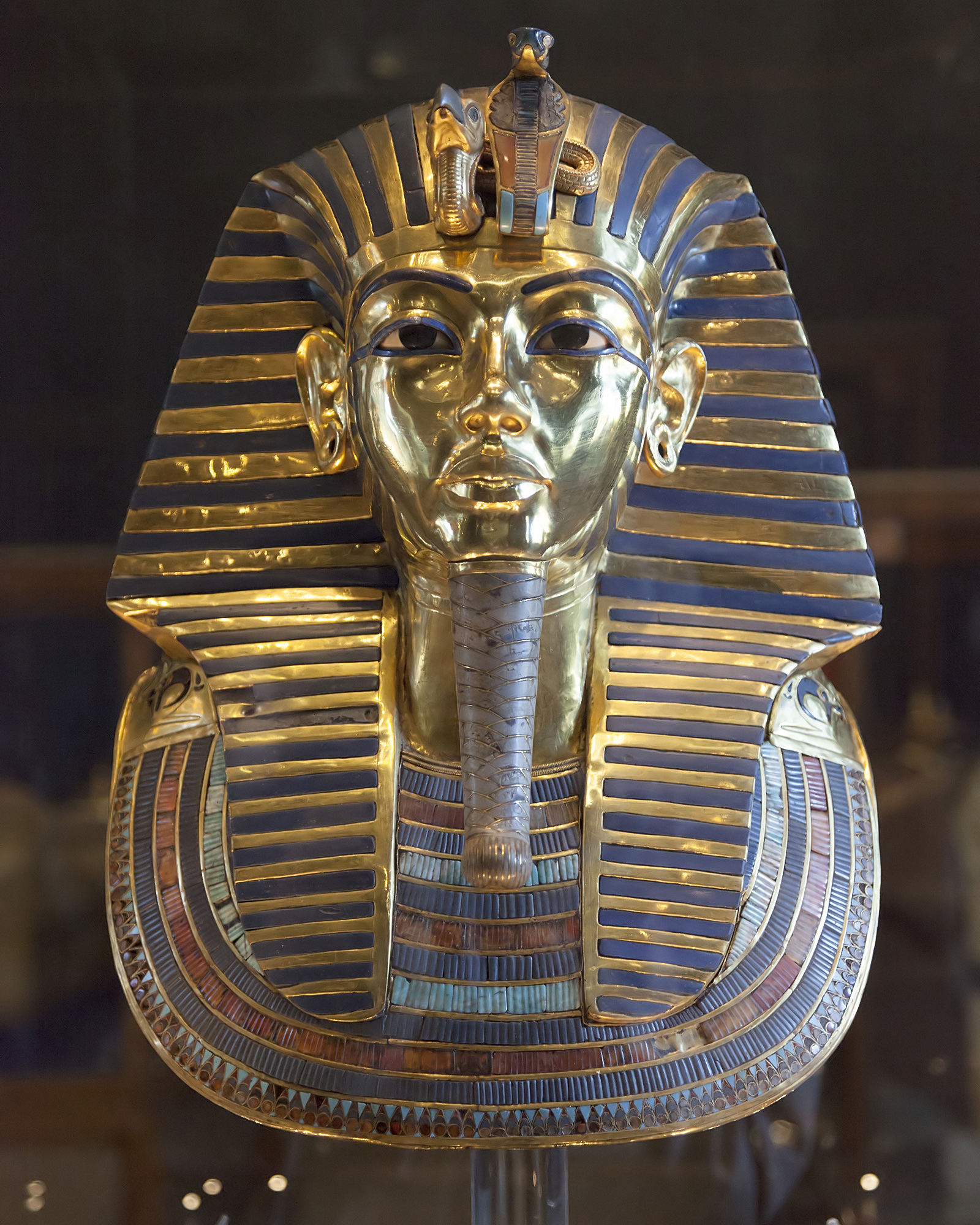
Death masks were used in Egypt, Greece, and Rome to preserve the likeness of rulers and elite figures. They combined artistry, symbolism, and ceremonial purpose.

Spiritual and Ritual Functions
Masks facilitated the transition to the afterlife, reinforced authority, and protected the memory of the deceased. Egyptian masks like Tutankhamun’s symbolized divinity and eternal life. Greek and Roman masks recorded status and identity, sometimes used in funerary ceremonies.

Artistry and Power
Each mask reflected cultural values, social hierarchy, and artistic skill, serving both practical and symbolic roles in commemorating the dead.

Insights into Ancient Societies
Death masks reveal beliefs about mortality, leadership, and the importance of memory in ancient civilizations, offering a window into cultural practices across time and place.
← The Forgotten Giants of Ancient PatagoniaThe Role of Honey in Ancient Medicine and Rituals →
Featured
image_2026-01-17_204356244.png
Jan 17, 2026
Archaeologists find a supersized medieval shipwreck in Denmark
Jan 17, 2026
Read More →
Jan 17, 2026
image_2026-01-17_203016176.png
Jan 17, 2026
Free Access to Greece’s Archaeological Treasures This Sunday
Jan 17, 2026
Read More →
Jan 17, 2026
image_2026-01-17_202652467.png
Jan 17, 2026
Ancient temple rich with gold and ritual altars unearthed on Evia island
Jan 17, 2026
Read More →
Jan 17, 2026
image_2026-01-17_194536616.png
Jan 17, 2026
Signs of neolithic trading and medieval monastery among National Trust’s top discoveries of 2025
Jan 17, 2026
Read More →
Jan 17, 2026
image_2026-01-17_194400111.png
Jan 17, 2026
Meet £200m road team and view ancient artefacts
Jan 17, 2026
Read More →
Jan 17, 2026
image_2026-01-17_193815498.png
Jan 17, 2026
Iron Age teeth fossils reveal diversity of diet of ancient Italians
Jan 17, 2026
Read More →
Jan 17, 2026
read more

Powered by The archaeologist