Introduction to Great Zimbabwe
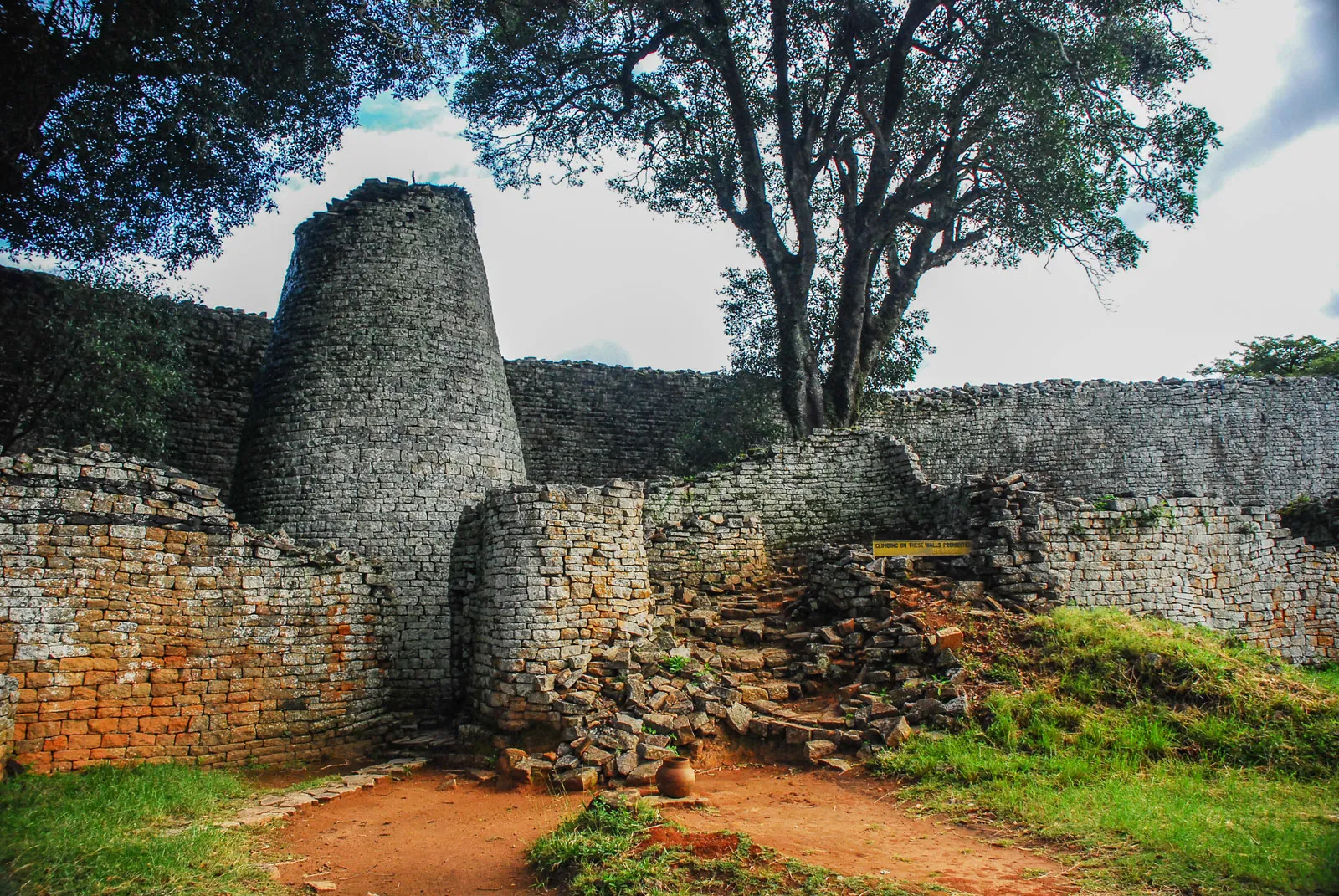
Great Zimbabwe, flourishing between the 11th and 15th centuries CE in present-day Zimbabwe, was a major political and trade center. Its iconic stone structures, including the Great Enclosure and the Hill Complex, demonstrate remarkable architectural skill without the use of mortar.
Architectural Achievement
The dry-stone walls, some over five meters high, were built using carefully fitted granite blocks. These structures required advanced planning, engineering expertise, and labor organization. The spatial design reflects both aesthetic sensibilities and functional considerations for defense, governance, and ceremonial use.
Economic and Trade Networks
Great Zimbabwe controlled trade routes linking the interior of Africa to coastal ports on the Indian Ocean. The city prospered through trading gold, ivory, and other commodities. Archaeological evidence shows interactions with regions as far as Arabia, India, and China, highlighting its importance in global trade networks.
Political and Religious Significance
The stone city served as a royal seat, with elite residences, temples, and ritual spaces. Leadership intertwined with spiritual authority, and the city’s layout reinforced social hierarchy and the legitimacy of rulers. Ceremonial spaces suggest religious practices that reinforced the divine power of kings.
Legacy and Cultural Impact
Great Zimbabwe stands as a testament to African ingenuity, demonstrating the sophistication of precolonial societies. Its architectural and urban planning achievements inspire contemporary appreciation of Africa’s historical contributions to civilization and trade.