The Nok Culture: West Africa’s Mysterious Terracotta Artificers
Dating from roughly 1500 BCE to 500 CE, the Nok Culture of central Nigeria represents one of the earliest and most enigmatic complex societies in Sub-Saharan Africa. First discovered in 1928 near the village of Nok, this ancient civilization is renowned for its remarkable technological advancements in iron smelting and highly stylized terracotta artwork.
1. The Mystery of Nok Terracottas
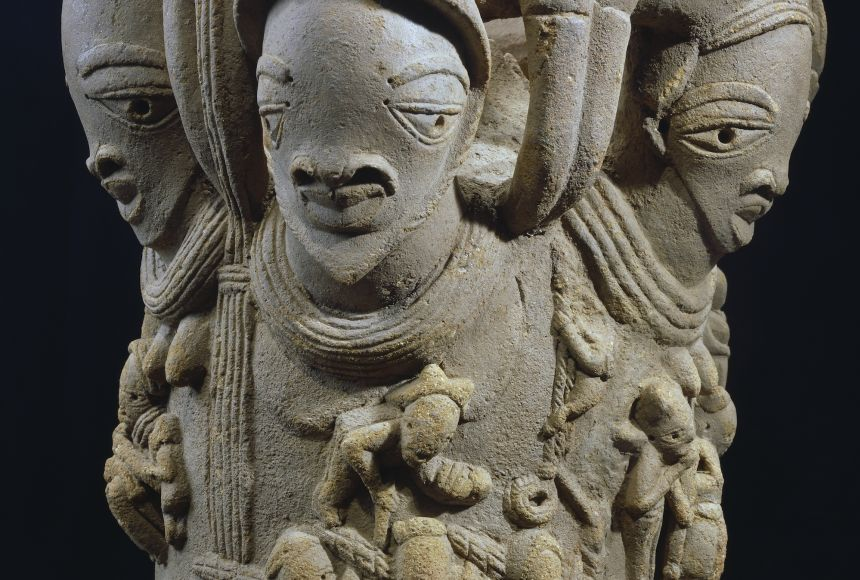
The most recognizable artifacts of the Nok culture are their hollow, coil-built terracotta figurines, which depict both human and animal subjects.
Stylistic Features: The figures typically feature large, proportional heads with stylized, triangular or elliptical eyes, perforated pupils, and elaborate hairstyles or jewelry that indicate a strong devotion to body ornamentation.
Technique and Skill: Unlike typical additive sculpture, many Nok pieces were shaped subtractively, suggesting they may have been influenced by an earlier wood-carving tradition.
Preservation: Because these sculptures were buried in alluvial mud, most discoveries consist of fragmented heads and limbs, making complete figures exceptionally rare.
2. Early Iron Metallurgy
One of the most significant aspects of the Nok culture is their pioneering role in West African metallurgy.
The Iron Age Shift: The Nok people appear to have transitioned directly from the late Stone Age to the Iron Age, bypassing the Bronze Age entirely.
Taruga Furnaces: Excavations at sites like Taruga have uncovered 13 iron-smelting furnaces along with terracotta figurines, leading archaeologists to believe the objects may have served a ritualistic or spiritual purpose associated with the forge.
Societal Impact: Access to iron allowed for the creation of stronger agricultural tools and weapons, supporting a dense, settled, and socially stratified population.
3. Society, Trade, and Daily Life
Archaeological excavations indicate that the Nok people sustained a complex economy based on agriculture, trade, and river transport.
River Networks: Terracotta depictions of dugout canoes suggest the Nok utilized local waterways (such as the Gurara and Niger River tributaries) to transport goods across a wide regional trade network.
Funerary and Ritual Practices: Many scholars theorize that the terracotta figures were created as part of a complex funerary culture, potentially representing ancestors, or acting as charms to protect health and crops.
Disappearance: The Nok culture began to decline and migrate outward around 500 CE, likely due to climate shifts, resource depletion, or social changes.