Origins of the Sagas
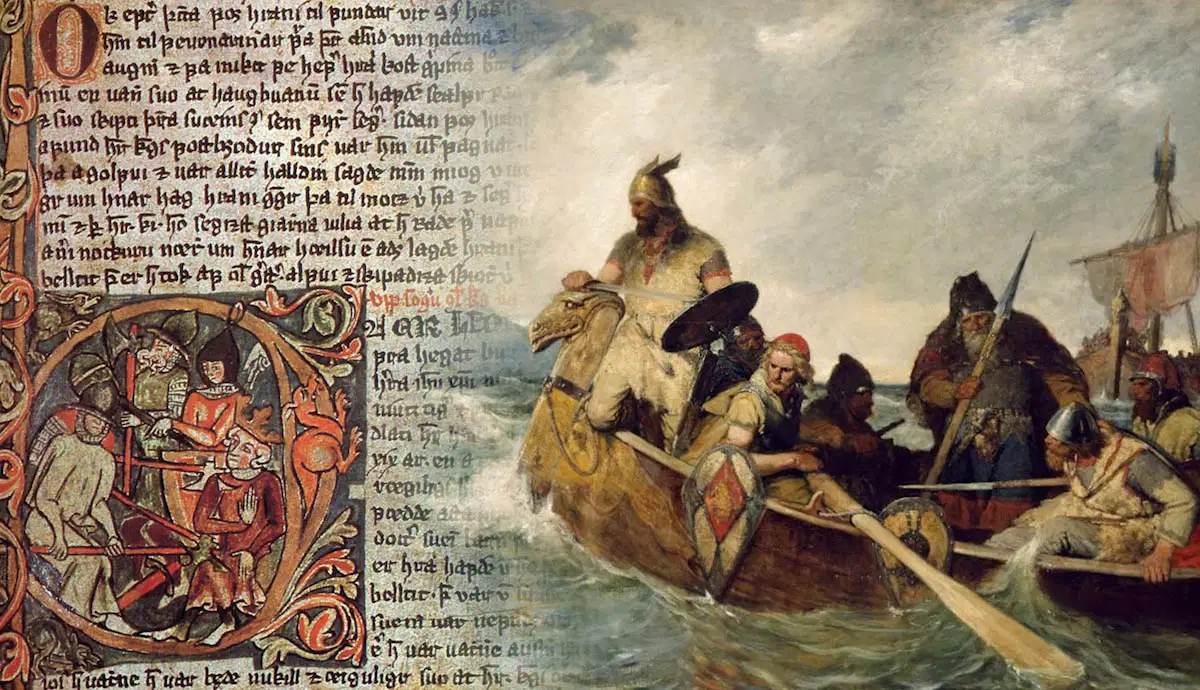
The Norse sagas are epic narratives composed in Iceland between the 12th and 14th centuries. These texts recount the exploits of early Viking settlers, explorers, and kings, blending historical events with mythological elements. Written in Old Norse, the sagas were initially preserved orally before being committed to parchment. They provide invaluable insights into the Viking worldview, culture, and social hierarchy.
Historical Elements in the Sagas
While often dramatized, the sagas contain elements that align with archaeological evidence. Accounts of Viking voyages to Greenland, North America (Vinland), and parts of Europe correspond with known settlements and artifacts. Kings and chieftains mentioned in the sagas have been verified through other historical sources, suggesting that these narratives preserved collective memory alongside imaginative storytelling.
Mythological and Cultural Significance
The sagas interweave myth and history, featuring gods, supernatural creatures, and prophetic dreams alongside historical events. These elements served to legitimize leadership, explain natural phenomena, and reinforce cultural values like honor, loyalty, and courage. Heroes often embody ideal Viking traits, providing moral guidance and a sense of identity to their communities.
Exploration and Viking Society
The sagas highlight Viking skills in seafaring, trade, and warfare. They depict longships, navigation techniques, and strategic raids, demonstrating the Vikings’ adaptability and ambition. Beyond conquest, the sagas reveal daily life, marriage customs, legal disputes, and social obligations, offering a comprehensive view of Norse society.
Legacy and Scholarly Debate
Scholars continue to debate the sagas’ historical accuracy, recognizing that while some events may be exaggerated or fictionalized, the narratives preserve authentic cultural knowledge. The sagas remain a critical source for understanding Viking expansion, settlement patterns, and cultural values, bridging history and myth in a unique literary tradition.