The Origins of Human Conflict
Warfare may seem like a modern concept, but its roots stretch deep into prehistory. Archaeological discoveries around the world reveal that violence among human groups is far from new. Examining prehistoric battlegrounds and early weapons gives us crucial insights into humanity’s violent tendencies and social organization.
Evidence of early conflict is often subtle. Before organized armies, prehistoric humans were hunter-gatherers or small agricultural communities. Resources like food, water, and territory were limited, making competition inevitable. When disputes escalated, they could quickly turn deadly.
Prehistoric Battlegrounds
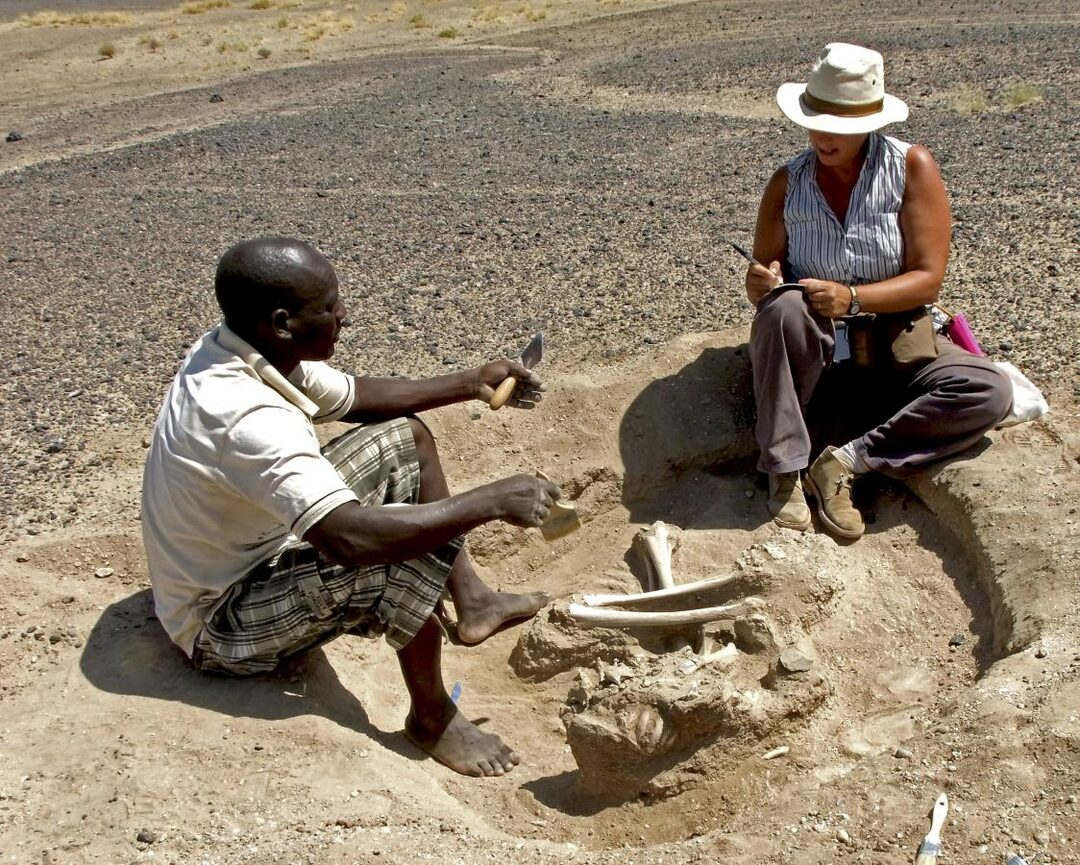
Archaeologists have identified several prehistoric sites where mass violence occurred. Some of the earliest examples date back over 10,000 years. At these sites, human skeletons often show clear signs of trauma, such as fractured skulls, arrow wounds, and defensive injuries. These injuries are rarely accidental—they point to organized attacks or raids.
For instance, at the site of Nataruk in Kenya, remains of hunter-gatherers suggest that they were violently killed in a conflict around 10,000 years ago. Weapons, such as stone-tipped projectiles and clubs, were used, indicating that combat was deliberate and coordinated. Sites like this demonstrate that even small groups of humans were capable of organized violence.
Early Weapons and Tools of War
Early humans did not have metal weaponry. Instead, they relied on tools and weapons made from stone, bone, and wood. Spears, arrows, clubs, and axes served both for hunting and for conflict. Some artifacts show specialized modifications designed specifically for combat, such as sharpened edges and reinforced tips.
The development of projectile weapons, like arrows and thrown spears, allowed early humans to attack from a distance. This not only increased their effectiveness in conflict but also reduced the risk to attackers. The use of these weapons reveals an early understanding of tactics and strategy.
Social Implications of Early Warfare
Warfare had profound effects on prehistoric societies. Groups that could defend themselves or dominate others had better access to resources, increasing their survival chances. Over time, repeated conflict may have contributed to the formation of hierarchies, leadership structures, and alliances.
Violence also influenced settlement patterns. Some communities built defensive structures, such as walls or ditches, to protect against raids. Others may have moved seasonally to avoid conflict. These adaptations highlight how warfare shaped both culture and environment.
Understanding Human Nature
The study of prehistoric warfare challenges the idea that early humans lived in constant harmony with nature. Conflict appears to have been a persistent feature of human existence, driven by competition, fear, and survival instincts.
However, early warfare was not purely destructive. It also fostered cooperation, planning, and innovation. Societies developed tools, strategies, and social norms to manage conflict. In many ways, the pressures of violence contributed to the growth of human intelligence and social complexity.
A Lasting Legacy
The oldest evidence of warfare shows that violence is deeply rooted in human history. By studying these early conflicts, we gain insight not only into human aggression but also into our capacity for organization, strategy, and resilience. Prehistoric warfare reminds us that even in our earliest societies, human behavior was complex, adaptive, and shaped by the environment.