• MAIN PAGE
  • LATEST NEWS
    • Lost Cities
    • Archaeology's Greatest Finds
    • Underwater Discoveries
    • Greatest Inventions
    • Studies
    • Blog
  • PHILOSOPHY
  • HISTORY
  • RELIGIONS
    • Africa
    • Anatolia
    • Arabian Peninsula
    • Balkan Region
    • China - East Asia
    • Europe
    • Eurasian Steppe
    • Levant
    • Mesopotamia
    • Oceania - SE Asia
    • Pre-Columbian Civilizations of America
    • Iranian Plateau - Central Asia
    • Indus Valley - South Asia
    • Japan
    • The Archaeologist Editor Group
    • Scientific Studies
    • Aegean Prehistory
    • Historical Period
    • Byzantine Middle Ages
    • Predynastic Period
    • Dynastic Period
    • Greco-Roman Egypt
  • Rome
  • PALEONTOLOGY
  • About us
Menu

The Archaeologist

  • MAIN PAGE
  • LATEST NEWS
  • DISCOVERIES
    • Lost Cities
    • Archaeology's Greatest Finds
    • Underwater Discoveries
    • Greatest Inventions
    • Studies
    • Blog
  • PHILOSOPHY
  • HISTORY
  • RELIGIONS
  • World Civilizations
    • Africa
    • Anatolia
    • Arabian Peninsula
    • Balkan Region
    • China - East Asia
    • Europe
    • Eurasian Steppe
    • Levant
    • Mesopotamia
    • Oceania - SE Asia
    • Pre-Columbian Civilizations of America
    • Iranian Plateau - Central Asia
    • Indus Valley - South Asia
    • Japan
    • The Archaeologist Editor Group
    • Scientific Studies
  • GREECE
    • Aegean Prehistory
    • Historical Period
    • Byzantine Middle Ages
  • Egypt
    • Predynastic Period
    • Dynastic Period
    • Greco-Roman Egypt
  • Rome
  • PALEONTOLOGY
  • About us
No results found

The Oldest Known Metal Mines in Human History

March 25, 2026

Digging Into the Earth

The discovery and extraction of metals changed human history.

Mining allowed societies to access materials that could be shaped into tools, weapons, and ornaments.

Early Mining Practices

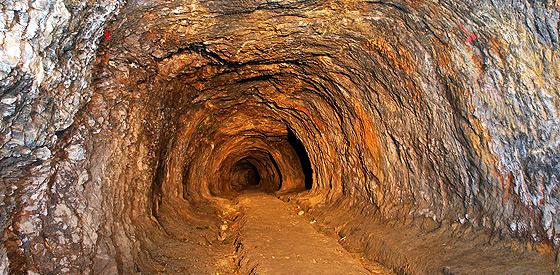
Ancient miners used simple tools to extract metal ores from the earth.

They dug tunnels, chipped away at rock, and transported materials by hand.

Key Metals

Copper was among the first metals to be mined, followed by tin and iron.

These materials were essential for developing stronger tools and weapons.

Technological Growth

Mining required knowledge of geology and resource management.

Over time, techniques improved, allowing deeper and more efficient extraction.

Economic and Cultural Impact

Metals became valuable resources.

They were traded, used in art, and associated with power and status.

Foundations of Industry

Early mining laid the groundwork for future industrial development.

It marked a shift toward more advanced technology and resource use.
← Ritual Stones Used in Prehistoric CeremoniesSacred Fires That Burned for Centuries →
Featured
image_2026-05-06_231204842.png
May 6, 2026
The Discovery of Troy: How Schliemann’s Obsession Changed Archaeology
May 6, 2026
Read More →
May 6, 2026
image_2026-05-06_230829515.png
May 6, 2026
Ancient Sumerian Cylinder Seals: The Tiny Masterpieces of Mesopotamia
May 6, 2026
Read More →
May 6, 2026
image_2026-05-06_230748904.png
May 6, 2026
The Nazca Puquios: Ancient Hydraulic Systems That Still Work Today
May 6, 2026
Read More →
May 6, 2026
image_2026-05-06_231132977.png
May 6, 2026
Roman Military Camps: Life on the Limes of the Danube River
May 6, 2026
Read More →
May 6, 2026
image_2026-05-04_225440373.png
May 6, 2026
The Maya Blue Pigment: The Chemistry of an Ancient Artistic Miracle
May 6, 2026
Read More →
May 6, 2026
image_2026-05-04_225323051.png
May 6, 2026
Viking Trade Routes: From the Fjords of Norway to the Markets of Baghdad
May 6, 2026
Read More →
May 6, 2026
read more

Powered by The archaeologist