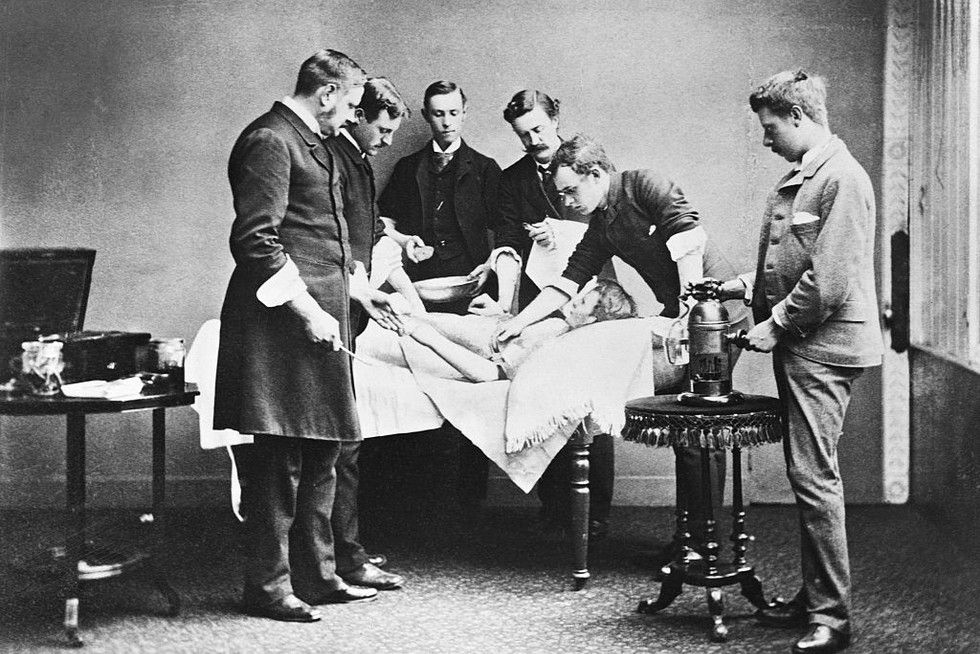
Trepanation is one of the oldest known surgical procedures, dating back to prehistoric times. It involved drilling or scraping a hole into the skull, often to treat head injuries, relieve pressure, or expel evil spirits believed to cause illness. Evidence of trepanation has been found across Europe, Africa, and the Americas.
Archaeological remains show that many patients survived the procedure, as indicated by bone healing. This suggests that early humans possessed practical medical knowledge and post-operative care techniques. Tools made from stone, obsidian, or metal were carefully shaped for surgical use.
Early surgery was closely tied to spiritual beliefs. Illness was often viewed as a supernatural affliction, so surgical intervention combined physical treatment with ritual healing. Shamans or healers likely played a dual role as spiritual and medical practitioners.
These early surgical practices demonstrate the ingenuity and adaptability of ancient societies. They laid the foundation for later medical advancements and reveal a surprisingly sophisticated understanding of the human body.