• MAIN PAGE
  • LATEST NEWS
    • Lost Cities
    • Archaeology's Greatest Finds
    • Underwater Discoveries
    • Greatest Inventions
    • Studies
    • Blog
  • PHILOSOPHY
  • HISTORY
  • RELIGIONS
    • Africa
    • Anatolia
    • Arabian Peninsula
    • Balkan Region
    • China - East Asia
    • Europe
    • Eurasian Steppe
    • Levant
    • Mesopotamia
    • Oceania - SE Asia
    • Pre-Columbian Civilizations of America
    • Iranian Plateau - Central Asia
    • Indus Valley - South Asia
    • Japan
    • The Archaeologist Editor Group
    • Scientific Studies
    • Aegean Prehistory
    • Historical Period
    • Byzantine Middle Ages
    • Predynastic Period
    • Dynastic Period
    • Greco-Roman Egypt
  • Rome
  • PALEONTOLOGY
  • About us
Menu

The Archaeologist

  • MAIN PAGE
  • LATEST NEWS
  • DISCOVERIES
    • Lost Cities
    • Archaeology's Greatest Finds
    • Underwater Discoveries
    • Greatest Inventions
    • Studies
    • Blog
  • PHILOSOPHY
  • HISTORY
  • RELIGIONS
  • World Civilizations
    • Africa
    • Anatolia
    • Arabian Peninsula
    • Balkan Region
    • China - East Asia
    • Europe
    • Eurasian Steppe
    • Levant
    • Mesopotamia
    • Oceania - SE Asia
    • Pre-Columbian Civilizations of America
    • Iranian Plateau - Central Asia
    • Indus Valley - South Asia
    • Japan
    • The Archaeologist Editor Group
    • Scientific Studies
  • GREECE
    • Aegean Prehistory
    • Historical Period
    • Byzantine Middle Ages
  • Egypt
    • Predynastic Period
    • Dynastic Period
    • Greco-Roman Egypt
  • Rome
  • PALEONTOLOGY
  • About us

The Bronze Mirrors of Ancient China

December 27, 2025

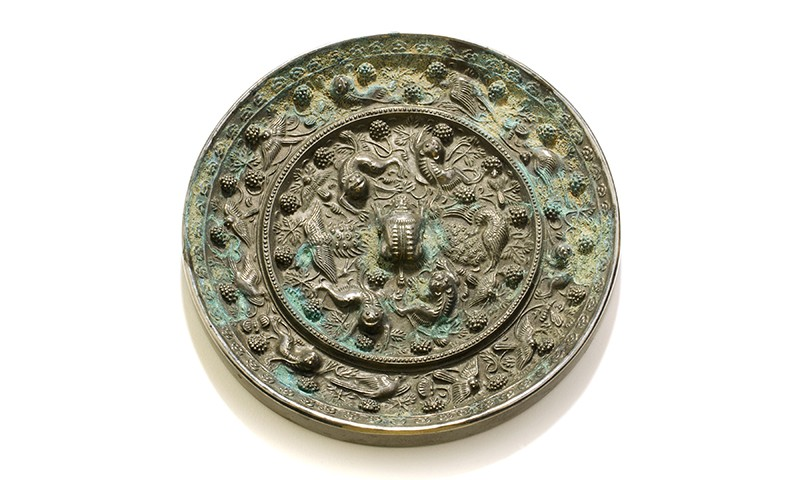
Bronze mirrors were important ritual and social objects in ancient China, particularly during the Zhou and Han dynasties. Crafted from polished bronze alloys, these mirrors reflected not only images but also symbolic meaning related to spirituality and protection.

The backs of bronze mirrors were often decorated with intricate designs, including geometric patterns, mythical creatures, and cosmological symbols. These designs reflected beliefs about harmony, balance, and the structure of the universe. Mirrors were believed to ward off evil spirits and bring good fortune.

Producing bronze mirrors required advanced metallurgical skills. Artisans carefully controlled alloy composition and casting techniques, demonstrating China’s technological sophistication. Mirrors were often buried with the dead, highlighting their role in the afterlife.

Beyond practical use, bronze mirrors served as cultural expressions of belief, power, and artistry. Their enduring presence in tombs and museums reflects their importance in ancient Chinese society.
← The Megalithic Temples of MaltaThe Oldest Known Surgery Techniques →
Featured
image_2025-12-27_175559310.png
Dec 27, 2025
The Hellenistic Libraries of the Ancient World
Dec 27, 2025
Read More →
Dec 27, 2025
image_2025-12-27_175034115.png
Dec 27, 2025
The Ancient Oracle of Siwa
Dec 27, 2025
Read More →
Dec 27, 2025
image_2025-12-27_174206291.png
Dec 27, 2025
The Megalithic Temples of Malta
Dec 27, 2025
Read More →
Dec 27, 2025
image_2025-12-27_174101989.png
Dec 27, 2025
The Bronze Mirrors of Ancient China
Dec 27, 2025
Read More →
Dec 27, 2025
image_2025-12-27_173423723.png
Dec 27, 2025
The Oldest Known Surgery Techniques
Dec 27, 2025
Read More →
Dec 27, 2025
image_2025-12-27_172050689.png
Dec 27, 2025
The Role of the Jaguar in Mesoamerican Religion
Dec 27, 2025
Read More →
Dec 27, 2025
read more

Powered by The archaeologist