• MAIN PAGE
  • LATEST NEWS
    • Lost Cities
    • Archaeology's Greatest Finds
    • Underwater Discoveries
    • Greatest Inventions
    • Studies
    • Blog
  • PHILOSOPHY
  • HISTORY
  • RELIGIONS
    • Africa
    • Anatolia
    • Arabian Peninsula
    • Balkan Region
    • China - East Asia
    • Europe
    • Eurasian Steppe
    • Levant
    • Mesopotamia
    • Oceania - SE Asia
    • Pre-Columbian Civilizations of America
    • Iranian Plateau - Central Asia
    • Indus Valley - South Asia
    • Japan
    • The Archaeologist Editor Group
    • Scientific Studies
    • Aegean Prehistory
    • Historical Period
    • Byzantine Middle Ages
    • Predynastic Period
    • Dynastic Period
    • Greco-Roman Egypt
  • Rome
  • PALEONTOLOGY
  • About us
Menu

The Archaeologist

  • MAIN PAGE
  • LATEST NEWS
  • DISCOVERIES
    • Lost Cities
    • Archaeology's Greatest Finds
    • Underwater Discoveries
    • Greatest Inventions
    • Studies
    • Blog
  • PHILOSOPHY
  • HISTORY
  • RELIGIONS
  • World Civilizations
    • Africa
    • Anatolia
    • Arabian Peninsula
    • Balkan Region
    • China - East Asia
    • Europe
    • Eurasian Steppe
    • Levant
    • Mesopotamia
    • Oceania - SE Asia
    • Pre-Columbian Civilizations of America
    • Iranian Plateau - Central Asia
    • Indus Valley - South Asia
    • Japan
    • The Archaeologist Editor Group
    • Scientific Studies
  • GREECE
    • Aegean Prehistory
    • Historical Period
    • Byzantine Middle Ages
  • Egypt
    • Predynastic Period
    • Dynastic Period
    • Greco-Roman Egypt
  • Rome
  • PALEONTOLOGY
  • About us

The Olmec Legacy

February 15, 2026

The Olmec: The First Great Civilization of Mesoamerica

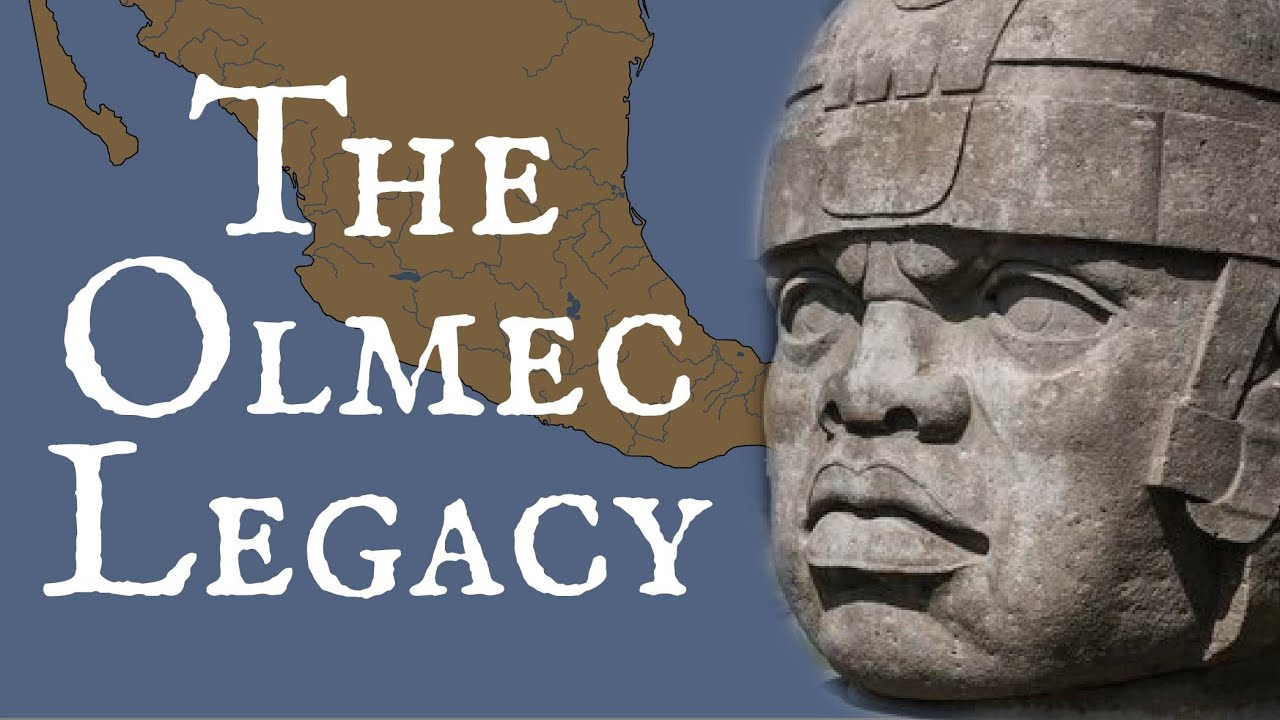
The Olmec civilization were the first great civilization of Mesoamerica.

Though they emerged later than the early river valley civilizations of Egypt and Mesopotamia, they bloomed with astonishing speed along the Gulf Coast of present-day Mexico. Within just a few centuries, they developed monumental architecture, long-distance trade networks, complex religious symbolism, and artistic traditions that would echo across Central America for more than a thousand years.

They were not simply another ancient culture.

They were the foundation.

A Sudden Flowering of Power and Art

Around 1500 BCE, the Olmec established major ceremonial centers such as San Lorenzo Tenochtitlán and later La Venta. These were not small villages — they were carefully planned centers featuring massive earthen platforms, plazas, drainage systems, and ritual spaces.

And then there are the colossal heads.

Carved from massive basalt boulders transported from distant mountains, some weighing up to 40 tons, these monumental sculptures remain among the most iconic works of ancient American art. Each face is distinct, possibly representing rulers. Even today, their expressions feel startlingly alive.

How did a society with no metal tools move such stones across swamps and rivers?

That question is still debated.

The “Mother Culture” of Mesoamerica?

The Olmec are often called the “mother culture” of later civilizations like the Maya civilization and the Aztec civilization. While historians continue to debate how direct that influence was, there is no question that core elements of Mesoamerican civilization appear first in Olmec contexts:

  • Early forms of writing and symbolic communication

  • A ritual ballgame tradition

  • Distinctive religious iconography, including the jaguar motif

  • Monumental ceremonial architecture

In many ways, the blueprint of later Mesoamerican society begins here.

A Legacy That Outlived Them

By around 400 BCE, the great Olmec centers declined. The reasons are still unclear — environmental change, political upheaval, shifting trade routes, or internal transformation may all have played a role.

But their ideas did not disappear.

They spread.

Across forests, mountains, and centuries, later civilizations adapted and reshaped Olmec traditions, weaving them into their own identities. The Olmec may have faded, but their cultural DNA endured.

They were latecomers in the global story of civilization.

Yet in Mesoamerica, they were the beginning.

🎥 Watch the video below to explore the rise of the Olmec, their colossal monuments, and the lasting legacy that shaped the civilizations of Central America:
← Pre-Construction Delays: Impacts on CURT Members & How to Avoid ThemThe Full Story of the Bamiyan Buddhas →
Featured
image_2026-02-15_210430819.png
Feb 15, 2026
The Most INCREDIBLE Archaeological Discoveries of December 2025
Feb 15, 2026
Read More →
Feb 15, 2026
image_2026-02-15_210354426.png
Feb 15, 2026
First-Ever Study of the Kelp Highway Reveals Groundbreaking Evidence
Feb 15, 2026
Read More →
Feb 15, 2026
image_2026-02-15_205930764.png
Feb 15, 2026
Jordan’s Ancient Megastructures No Civilization Could Have Built
Feb 15, 2026
Read More →
Feb 15, 2026
image_2026-02-15_205739082.png
Feb 15, 2026
What They Never Tell You About the Picts
Feb 15, 2026
Read More →
Feb 15, 2026
image_2026-02-15_205533483.png
Feb 15, 2026
The Largest Animals You've Never Heard Of
Feb 15, 2026
Read More →
Feb 15, 2026
image_2026-02-15_205322551.png
Feb 15, 2026
New Findings Expose Göbekli Tepe's BIGGEST Secret — A HIDDEN Method That's Impossible
Feb 15, 2026
Read More →
Feb 15, 2026
read more

Powered by The archaeologist