Introduction to the Epic
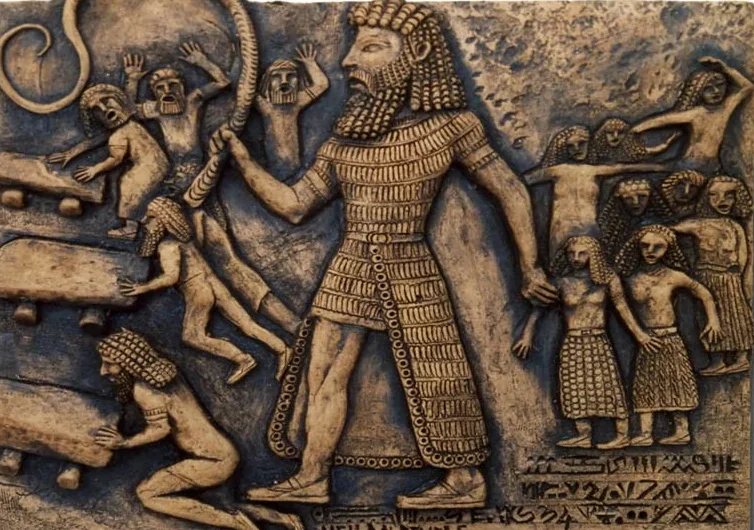
The Epic of Gilgamesh, one of the earliest literary works, features extensive use of dreams as divine messages. Dreams provide warnings, reveal truths, and guide the actions of the hero, highlighting the ancient belief in the spiritual significance of dreams.
Dreams as Omens
Gilgamesh experiences multiple dreams interpreted by his mother and priests. These dreams foreshadow events, warn of danger, or indicate favor from the gods. The narrative portrays dreams as a bridge between the human and divine, emphasizing their role in decision-making and moral instruction.
Cultural and Religious Significance
In Mesopotamia, dreams were considered sacred communications. Temples often housed dream interpreters who advised rulers and commoners alike. Such practices illustrate the integration of religion, politics, and daily life, showing how belief in divine guidance shaped societal decisions.
Literary Function
In the epic, dreams advance the plot and deepen characterization. They reveal inner fears, desires, and moral dilemmas of Gilgamesh and his companions. This literary device demonstrates early narrative sophistication and the cultural weight assigned to visionary experiences.
Legacy of Dream Interpretation
The role of dreams in Gilgamesh reflects broader Mesopotamian approaches to divination, prophecy, and spiritual insight. Understanding these practices helps modern scholars appreciate how ancient societies perceived fate, divine will, and the human experience.