Introduction to the Legend
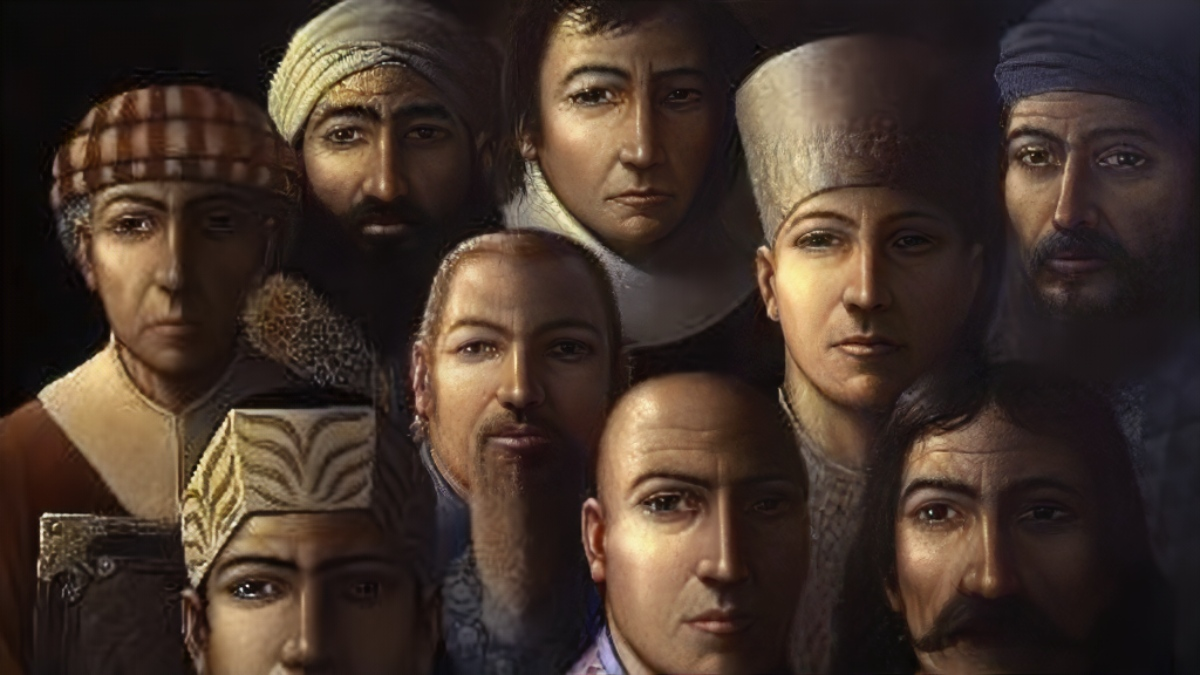
The Nine Unknown Men are a legendary secret society in India, said to have been established by Emperor Ashoka around the 3rd century BCE. According to tradition, they preserved and safeguarded profound knowledge across fields such as science, medicine, alchemy, and warfare.
Purpose and Formation
Emperor Ashoka, after converting to Buddhism and renouncing war, allegedly formed this group to protect humanity from dangerous knowledge. Each member was entrusted with a book containing secrets that could either benefit or harm civilization, ensuring wisdom was controlled and ethically applied.
Domains of Knowledge
The Nine Unknown Men supposedly specialized in diverse areas including microbiology, physiology, communication, and occult arts. These teachings were hidden, transmitted only to trusted successors, and sometimes encoded in cryptic symbols and texts. The myth emphasizes the responsibility of knowledge and the dangers of misuse.
Influence on Society and Culture
While historical evidence is scarce, the legend reflects the Indian cultural emphasis on secret knowledge, ethical wisdom, and spiritual responsibility. It has inspired stories, esoteric philosophies, and even modern conspiracy theories linking ancient and contemporary science.
Enduring Legacy
The Nine Unknown Men remain a symbol of mystery and intellectual discipline. Whether fact or myth, their story highlights the reverence for knowledge in ancient India and the enduring human fascination with secret wisdom, ethics, and the unseen forces that shape civilization.