• MAIN PAGE
  • LATEST NEWS
    • Lost Cities
    • Archaeology's Greatest Finds
    • Underwater Discoveries
    • Greatest Inventions
    • Studies
    • Blog
  • PHILOSOPHY
  • HISTORY
  • RELIGIONS
    • Africa
    • Anatolia
    • Arabian Peninsula
    • Balkan Region
    • China - East Asia
    • Europe
    • Eurasian Steppe
    • Levant
    • Mesopotamia
    • Oceania - SE Asia
    • Pre-Columbian Civilizations of America
    • Iranian Plateau - Central Asia
    • Indus Valley - South Asia
    • Japan
    • The Archaeologist Editor Group
    • Scientific Studies
    • Aegean Prehistory
    • Historical Period
    • Byzantine Middle Ages
    • Predynastic Period
    • Dynastic Period
    • Greco-Roman Egypt
  • Rome
  • PALEONTOLOGY
  • About us
Menu

The Archaeologist

  • MAIN PAGE
  • LATEST NEWS
  • DISCOVERIES
    • Lost Cities
    • Archaeology's Greatest Finds
    • Underwater Discoveries
    • Greatest Inventions
    • Studies
    • Blog
  • PHILOSOPHY
  • HISTORY
  • RELIGIONS
  • World Civilizations
    • Africa
    • Anatolia
    • Arabian Peninsula
    • Balkan Region
    • China - East Asia
    • Europe
    • Eurasian Steppe
    • Levant
    • Mesopotamia
    • Oceania - SE Asia
    • Pre-Columbian Civilizations of America
    • Iranian Plateau - Central Asia
    • Indus Valley - South Asia
    • Japan
    • The Archaeologist Editor Group
    • Scientific Studies
  • GREECE
    • Aegean Prehistory
    • Historical Period
    • Byzantine Middle Ages
  • Egypt
    • Predynastic Period
    • Dynastic Period
    • Greco-Roman Egypt
  • Rome
  • PALEONTOLOGY
  • About us

The Role of Pirates in Ancient Civilizations

December 4, 2025

How Seafaring Raiders Shaped Trade, Warfare, and Diplomacy

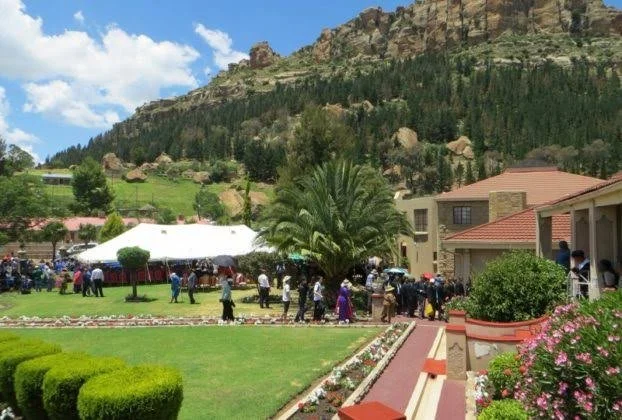
Piracy is as old as seafaring itself. In the ancient world, pirates raided ships, disrupted trade, and sometimes even influenced political decisions.

Mediterranean Pirates: A Constant Threat

The Mediterranean Sea was filled with merchant ships carrying valuable goods. This made it an ideal hunting ground for pirate groups like the Cilician pirates, who became so powerful that Rome eventually launched massive military campaigns to stop them.

The Sea Peoples and Early Maritime Raids

Before classical piracy, mysterious groups known as the Sea Peoples attacked Mediterranean cities, threatening major powers like Egypt. Their origins remain debated, but their raids marked a turning point in ancient maritime warfare.

Pirates as Mercenaries and Allies

Ancient powers sometimes hired pirates for military purposes. Greek city-states employed them for naval battles, and some rulers used pirate alliances to gain political advantage.

Economic and Political Impact

Piracy influenced shipbuilding, naval strategy, and international law. Ancient societies developed better fleets, coastal defenses, and maritime agreements as a response to pirate activity.

A Shadowy but Influential Presence

Although feared, pirates helped shape the ancient maritime world, forcing civilizations to innovate and cooperate.

← The Discovery of the Sutton Hoo Ship BurialThe Story of Gilgamesh: The World’s First Epic →
Featured
image_2026-04-15_232853833.png
Apr 17, 2026
The Sutton Hoo Helmet: Symbolism and Power in Anglo-Saxon England
Apr 17, 2026
Read More →
Apr 17, 2026
image_2026-04-15_232812659.png
Apr 17, 2026
Neanderthal Art: Challenging the Notion of Our "Primitive" Cousins
Apr 17, 2026
Read More →
Apr 17, 2026
image_2026-04-15_232658559.png
Apr 17, 2026
The Mystery of the Moai: How the Rapa Nui Truly Moved Their Giants
Apr 17, 2026
Read More →
Apr 17, 2026
image_2026-04-15_232557087.png
Apr 17, 2026
Lost Civilizations of the Sahara: Evidence of a Once-Green Desert Empire
Apr 17, 2026
Read More →
Apr 17, 2026
image_2026-04-15_232332327.png
Apr 17, 2026
The Voynich Manuscript: New Linguistic Approaches to History’s Most Mysterious Book
Apr 17, 2026
Read More →
Apr 17, 2026
image_2026-04-15_223718373.png
Apr 17, 2026
Archaeologists Unearthed a 6,200-Year-Old Megastructure. Its Purpose Is Still a Mystery.
Apr 17, 2026
Read More →
Apr 17, 2026
read more

Powered by The archaeologist