Archaeologists have uncovered the remains of a previously unknown early medieval settlement during preparatory work for an offshore wind farm project.
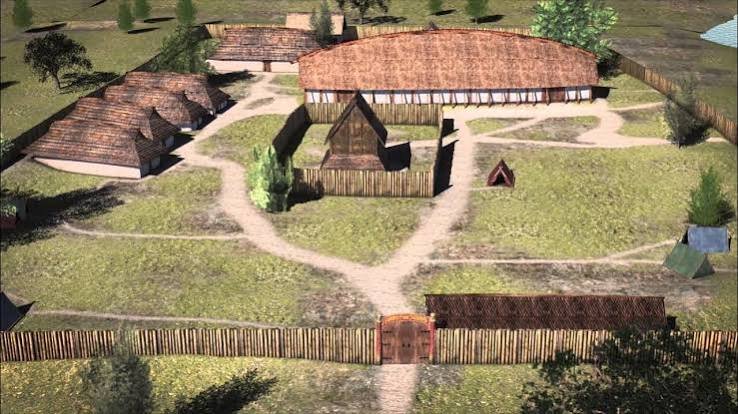
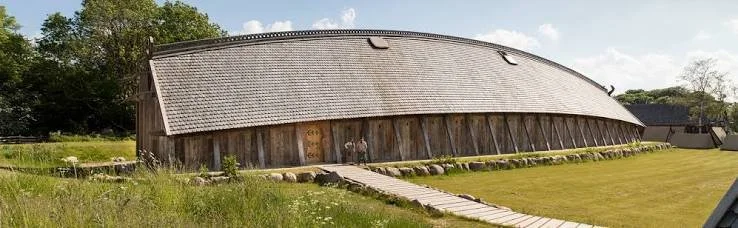
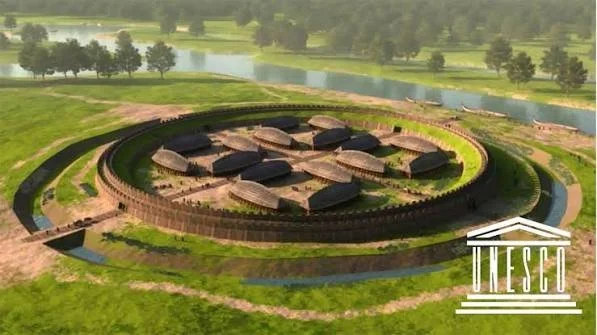
The site, located near Friston in Suffolk, is believed to have once contained wooden longhouses measuring up to 19 meters (62 feet) in length and 6 meters (20 feet) in width. These sizable structures likely accommodated a small community during the Anglo-Saxon period, roughly between 410 and 1066.
Senior project manager Matthew Ginnever noted, “The archaeological programme is already showing that there is much to learn about the history of East Anglia and its past populations.”
The discovery was made during excavations carried out ahead of the East Anglia TWO and ONE North offshore wind farm developments, managed by ScottishPower Renewables. Archaeologists have been working along the onshore cable corridor that stretches from Thorpeness to the substation site at Friston.
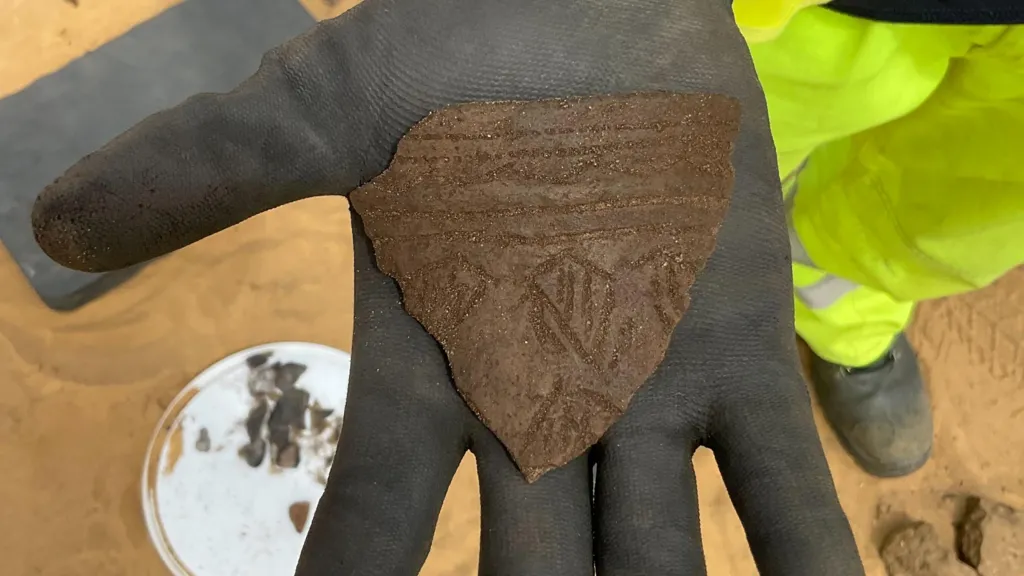
Sherds of decorated prehistoric beaker pottery are among a haul of finds
The wooden structures near Friston were identified through the discovery of post holes, according to MOLA-Wessex Archaeology.
These buildings likely served dual purposes as both homes and social centers, featuring central hearths used for cooking and heating.
Although the settlement did not survive past the 1300s, a modern right of way follows the alignment of the buildings, suggesting that the footpath has been in use since at least the Anglo-Saxon period.
Archaeologists plan to investigate further to determine the precise period of occupation and the reasons behind the village’s abandonment.
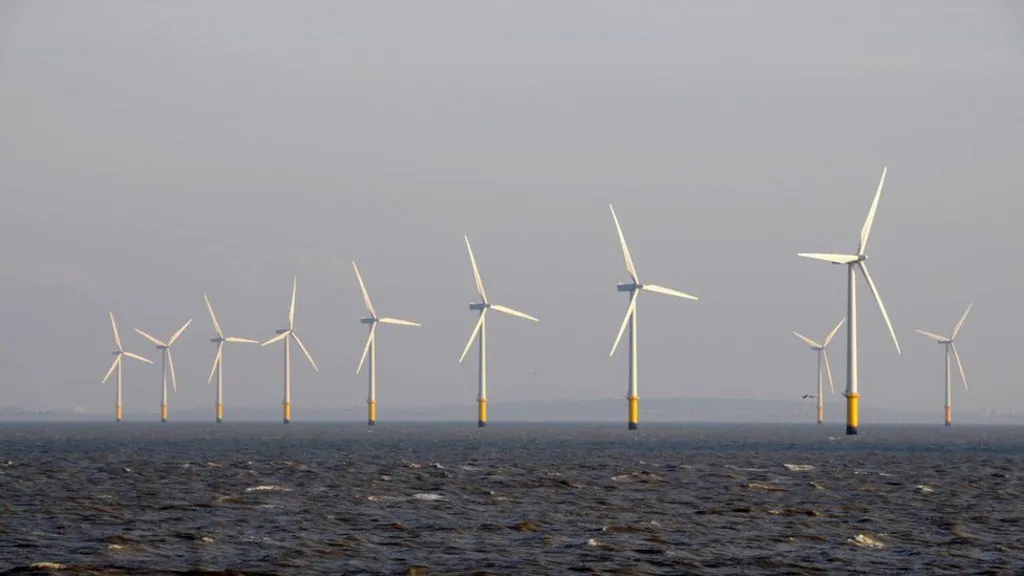
The discovery was made during excavations ahead of offshore windfarm developments
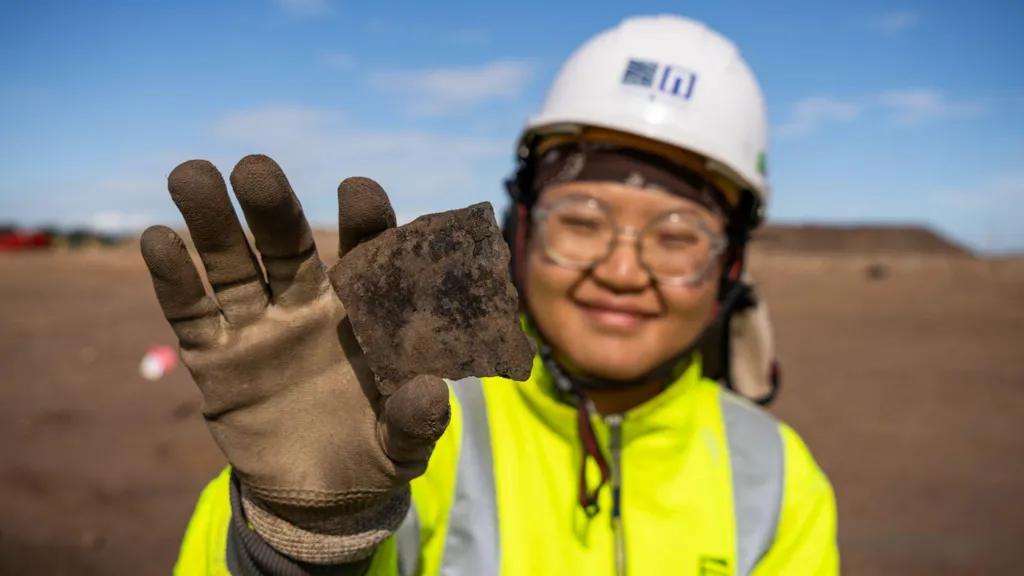
The archaeological team of 90 also uncovered evidence of Stone Age toolmaking, including an axe head that may have been used for woodworking, land clearing, and possibly butchery.
They also found a flint arrowhead dating from 4,000 to 6,000 years ago, as well as medieval kilns near Sizewell, likely used for pottery, ceramics, or lime production.
“We've discovered pottery linked to the 'Beaker folk,' who lived across Europe in the early Bronze Age and introduced new cultures and ideas to Britain,” explained Matthew Ginnever.
“This indicates that local populations were interacting and trading with groups on the continent over 3,000 years ago,” he added.
Ginnever concluded, “We look forward to uncovering more details like these to enrich East Anglia's historical narrative as the project progresses.”