Colossal Stone Heads and Religious Practices of the Olmec People
Origins and Settlement
The Olmecs flourished along Mexico’s Gulf Coast between 1500–400 BCE. They are considered the “mother culture” of Mesoamerica, influencing later civilizations such as the Maya and Aztecs.
Monumental Art and Architecture
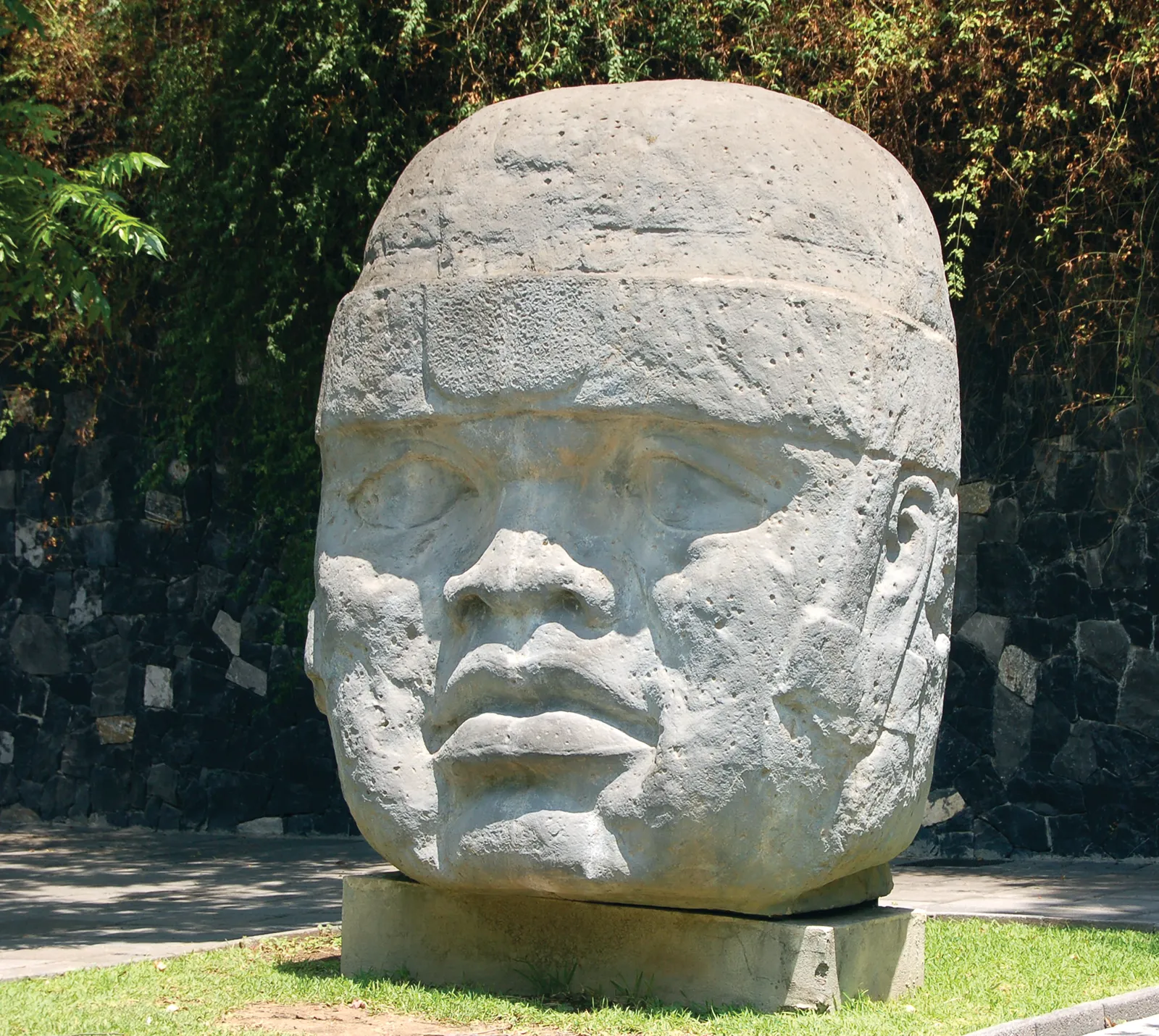
Famous for colossal basalt heads and intricately carved jade masks, the Olmecs demonstrated advanced engineering and artistic skills. The heads may represent rulers or deities, symbolizing political and religious authority.
Religious Beliefs and Rituals
Olmec society practiced shamanism, ritual sacrifice, and the Mesoamerican ballgame. Deities included jaguar gods, representing fertility, power, and the supernatural. Temples and ceremonial centers facilitated social cohesion and spiritual observances.
Cultural Influence
The Olmecs laid the foundation for hieroglyphic writing, calendrical systems, and urban planning in Mesoamerica. Their cultural and religious innovations shaped the trajectory of the region for centuries, leaving a legacy still studied by archaeologists today.