Rivers as Lifelines of Civilization
Rivers have always been central to human survival. For ancient civilizations, they provided water, fertile soil, food, and transportation—making them essential for the growth of cities and societies.
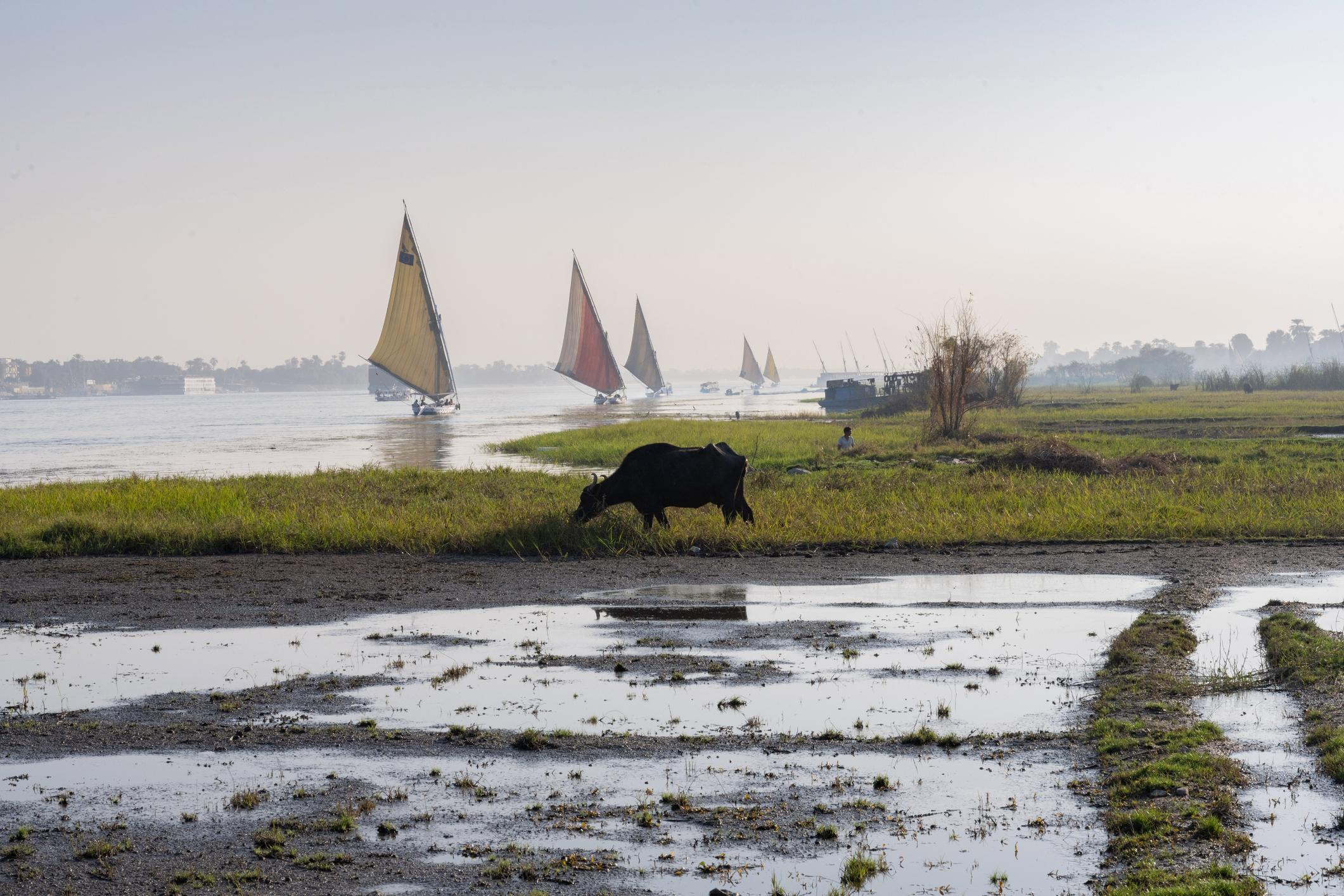
Many of the world’s earliest civilizations developed along major rivers, where natural resources supported large populations and complex communities.
The Great Rivers of the Ancient World
Nile River
The Nile was the lifeblood of ancient Egypt. Its predictable flooding enriched the soil, allowing agriculture to flourish in an otherwise arid landscape.
Indus River
The Indus supported one of the world’s earliest urban civilizations, known for its advanced city planning and drainage systems.
Tigris River and Euphrates River
These rivers formed the heart of Mesopotamia, often called the “cradle of civilization.” They enabled the rise of early cities, writing systems, and legal codes.
Yellow River
Known as the “Mother River” of China, the Yellow River supported early Chinese civilizations, though its unpredictable flooding also posed challenges.
Agriculture and Economic Growth
Rivers made large-scale farming possible. Irrigation systems allowed communities to control water flow, increasing food production and supporting population growth.
Surplus crops could be traded, leading to the development of economies and social hierarchies.
Spiritual and Cultural Significance
Beyond their practical importance, rivers held deep spiritual meaning. Many were seen as sacred, associated with gods, creation myths, and the cycle of life.
The Nile was linked to divine forces of fertility
Mesopotamian rivers were tied to creation stories
Asian rivers were often revered in religious traditions
Rivers became central to rituals, ceremonies, and belief systems.
The Lasting Influence of Sacred Rivers
The importance of rivers continues today, as many modern cities still rely on the same waterways that supported ancient civilizations.
These rivers are not just natural features—they are historical lifelines, carrying the legacy of human development across thousands of years.