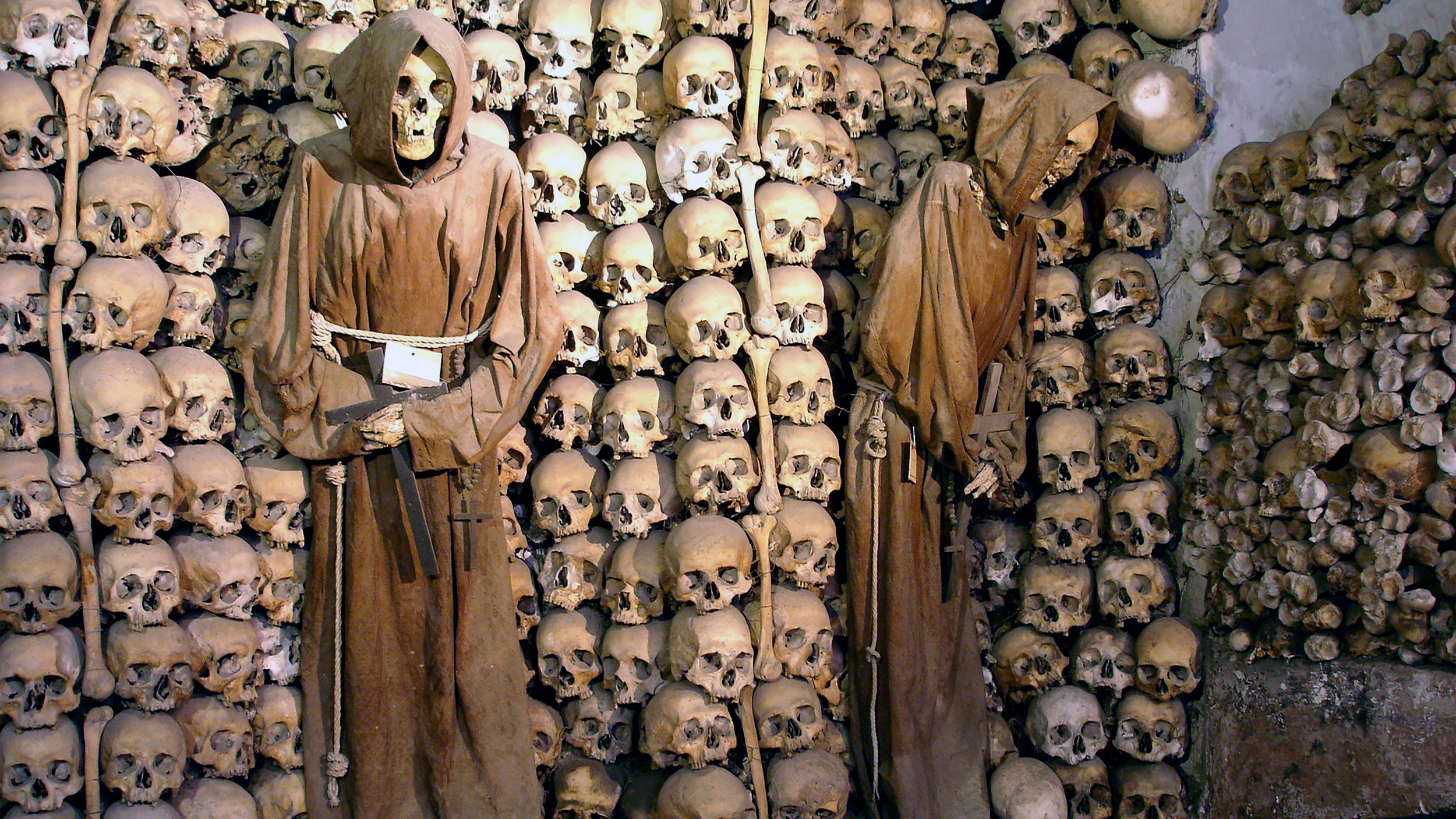
The Paris Catacombs (or the Ossuaire Municipal) represent one of the most unique archaeological and historical sites in Europe. While often associated with the macabre, the site is a complex engineering solution to a major 18th-century public health crisis, evolving from abandoned quarry tunnels into a structured, memorialized resting place for millions of Parisians.
The Engineering of the Underground
Quarry Foundations: Before they were burial sites, these tunnels were limestone quarries that provided the stone used to build much of medieval and Renaissance Paris. By the 1700s, this subterranean network had become dangerously unstable, leading to city-wide collapses that threatened the foundations of buildings above.
The Consolidation Project: Under the direction of King Louis XVI, the Inspection générale des carrières (General Inspectorate of Quarries) was formed. Engineers spent decades shoring up the crumbling tunnels with massive pillars, dry-stone walls, and structural reinforcements, creating the vast, safe network of tunnels that exist today.
Microclimate and Preservation: The deep underground environment maintains a constant temperature and high humidity, which has proven remarkably effective at preserving the skeletal remains for centuries, preventing the decay that would occur in more exposed environments.
The Public Health Crisis
The Overflowing Cemeteries: In the 18th century, Paris’s inner-city cemeteries—most notably Les Innocents—were drastically overcapacity. Bodies were being buried in shallow pits for centuries, leading to severe sanitation issues, contamination of groundwater, and pervasive public health concerns that became impossible for the state to ignore.
The Great Relocation: In 1785, the government ordered the evacuation of Les Innocents. The bones were exhumed, blessed by priests, and transported by night in solemn, horse-drawn processions to the abandoned, consolidated quarry tunnels. This process continued for decades, moving the remains of an estimated 6 to 7 million people from various shuttered churchyards throughout the city.
Architecture and Memorialization
The Ossuary Style: The catacombs are not merely chaotic piles of bone. The remains were carefully arranged into a structured "ossuary" style. Femurs and tibias were stacked to form decorative walls, with skulls arranged in neat, mosaic-like rows or patterns, transforming the remains into a collective monument rather than a simple graveyard.
Reflective Epigraphs: Scattered throughout the tunnels are stone tablets and inscriptions featuring quotes from classical philosophers and poets. These were placed to provide a meditative, solemn atmosphere, shifting the focus from the horror of death to the philosophical contemplation of mortality and the history of Paris.
The "Lamps" of the Dead: To facilitate the movement of inspectors and authorized visitors, specific oil lamps were strategically placed. This early lighting infrastructure highlights the duality of the space: it was a place of the dead, yet it required constant maintenance, mapping, and monitoring by the living.
Archaeological and Historical Value
A "Historical" Archive: The catacombs serve as an unintentional but invaluable archive of the city’s population. The remains have been used by modern forensic scientists and historians to study diet, disease, and migration patterns across centuries of Parisian life, effectively providing a demographic record of the city’s development.
Geological Record: The walls themselves provide an exposed look at the geological history of the Paris Basin, revealing the distinct limestone layers that once defined the regional landscape and the economic prosperity of the medieval city.
Symbol of Civic Order: The transition from a chaotic, hazardous burial system to the organized, state-managed ossuary serves as an example of the Enlightenment-era drive to apply rational, bureaucratic, and scientific oversight to the most fundamental aspects of human society.
The Paris Catacombs stand as a poignant bridge between the city’s industrial past and its collective memory. They transformed an environmental liability—unstable quarries and failing cemeteries—into a subterranean monument that honors the anonymous citizens who built the foundations of modern Paris.
Since you are interested in historical infrastructure and archaeological enigmas, would you like to explore the Roman-era history of Paris (Lutetia) that exists beneath the modern city streets?