• MAIN PAGE
  • LATEST NEWS
    • Lost Cities
    • Archaeology's Greatest Finds
    • Underwater Discoveries
    • Greatest Inventions
    • Studies
    • Blog
  • PHILOSOPHY
  • HISTORY
  • RELIGIONS
    • Africa
    • Anatolia
    • Arabian Peninsula
    • Balkan Region
    • China - East Asia
    • Europe
    • Eurasian Steppe
    • Levant
    • Mesopotamia
    • Oceania - SE Asia
    • Pre-Columbian Civilizations of America
    • Iranian Plateau - Central Asia
    • Indus Valley - South Asia
    • Japan
    • The Archaeologist Editor Group
    • Scientific Studies
    • Aegean Prehistory
    • Historical Period
    • Byzantine Middle Ages
    • Predynastic Period
    • Dynastic Period
    • Greco-Roman Egypt
  • Rome
  • PALEONTOLOGY
  • About us
Menu

The Archaeologist

  • MAIN PAGE
  • LATEST NEWS
  • DISCOVERIES
    • Lost Cities
    • Archaeology's Greatest Finds
    • Underwater Discoveries
    • Greatest Inventions
    • Studies
    • Blog
  • PHILOSOPHY
  • HISTORY
  • RELIGIONS
  • World Civilizations
    • Africa
    • Anatolia
    • Arabian Peninsula
    • Balkan Region
    • China - East Asia
    • Europe
    • Eurasian Steppe
    • Levant
    • Mesopotamia
    • Oceania - SE Asia
    • Pre-Columbian Civilizations of America
    • Iranian Plateau - Central Asia
    • Indus Valley - South Asia
    • Japan
    • The Archaeologist Editor Group
    • Scientific Studies
  • GREECE
    • Aegean Prehistory
    • Historical Period
    • Byzantine Middle Ages
  • Egypt
    • Predynastic Period
    • Dynastic Period
    • Greco-Roman Egypt
  • Rome
  • PALEONTOLOGY
  • About us

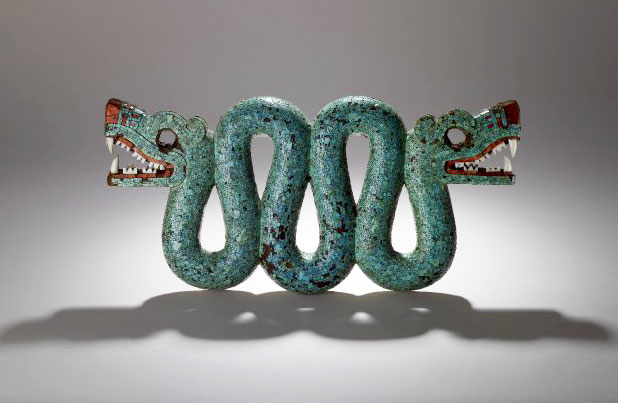
The Sacred Serpent Symbol in Ancient Mesoamerican Cultures

December 9, 2025

Worship of Quetzalcoatl and Kukulkan, the Feathered Serpent Gods

Origins and Iconography
Quetzalcoatl in central Mexico and Kukulkan in the Yucatán were depicted as feathered serpents, merging earth and sky symbolism. They embodied wisdom, fertility, and the creative forces of nature.

Ritual and Ceremonial Practices
Priests conducted offerings, processions, and festivals to honor these deities. The feathered serpent was invoked for agricultural abundance, political legitimacy, and cosmic balance. Temples and pyramids often featured serpent motifs integrated into staircases and façades.

Cultural Significance
The feathered serpent remained a symbol of continuity and cultural identity. Its influence extended to the Aztecs, Toltecs, and later Mesoamerican societies, signifying the persistence of sacred traditions across centuries.

← The Ancient Science of Astronomy in BabylonThe Forgotten Temples of the Hittite Empire →
Featured
image_2025-12-09_210002582.png
Dec 9, 2025
The Forgotten City of Mohenjo-Daro: The Heart of the Indus Valley
Dec 9, 2025
Read More →
Dec 9, 2025
image_2025-12-09_205828085.png
Dec 9, 2025
The Role of the Raven in Norse Mythology
Dec 9, 2025
Read More →
Dec 9, 2025
image_2025-12-09_205741655.png
Dec 9, 2025
The Ancient Inca Road System: An Engineering Marvel
Dec 9, 2025
Read More →
Dec 9, 2025
image_2025-12-09_205657000.png
Dec 9, 2025
The Role of the Sacred Cow in Ancient Hinduism
Dec 9, 2025
Read More →
Dec 9, 2025
image_2025-12-09_205014860.png
Dec 9, 2025
The Lost Civilization of the Olmecs: The First Mesoamerican Empire
Dec 9, 2025
Read More →
Dec 9, 2025
image_2025-12-09_203714830.png
Dec 9, 2025
The Role of the Black Obsidian Mirror in Ancient Shamanic Practices
Dec 9, 2025
Read More →
Dec 9, 2025
read more

Powered by The archaeologist