• MAIN PAGE
  • LATEST NEWS
    • Lost Cities
    • Archaeology's Greatest Finds
    • Underwater Discoveries
    • Greatest Inventions
    • Studies
    • Blog
  • PHILOSOPHY
  • HISTORY
  • RELIGIONS
    • Africa
    • Anatolia
    • Arabian Peninsula
    • Balkan Region
    • China - East Asia
    • Europe
    • Eurasian Steppe
    • Levant
    • Mesopotamia
    • Oceania - SE Asia
    • Pre-Columbian Civilizations of America
    • Iranian Plateau - Central Asia
    • Indus Valley - South Asia
    • Japan
    • The Archaeologist Editor Group
    • Scientific Studies
    • Aegean Prehistory
    • Historical Period
    • Byzantine Middle Ages
    • Predynastic Period
    • Dynastic Period
    • Greco-Roman Egypt
  • Rome
  • PALEONTOLOGY
  • About us
Menu

The Archaeologist

  • MAIN PAGE
  • LATEST NEWS
  • DISCOVERIES
    • Lost Cities
    • Archaeology's Greatest Finds
    • Underwater Discoveries
    • Greatest Inventions
    • Studies
    • Blog
  • PHILOSOPHY
  • HISTORY
  • RELIGIONS
  • World Civilizations
    • Africa
    • Anatolia
    • Arabian Peninsula
    • Balkan Region
    • China - East Asia
    • Europe
    • Eurasian Steppe
    • Levant
    • Mesopotamia
    • Oceania - SE Asia
    • Pre-Columbian Civilizations of America
    • Iranian Plateau - Central Asia
    • Indus Valley - South Asia
    • Japan
    • The Archaeologist Editor Group
    • Scientific Studies
  • GREECE
    • Aegean Prehistory
    • Historical Period
    • Byzantine Middle Ages
  • Egypt
    • Predynastic Period
    • Dynastic Period
    • Greco-Roman Egypt
  • Rome
  • PALEONTOLOGY
  • About us

The Forgotten Temples of the Hittite Empire

December 9, 2025

Architecture and Design
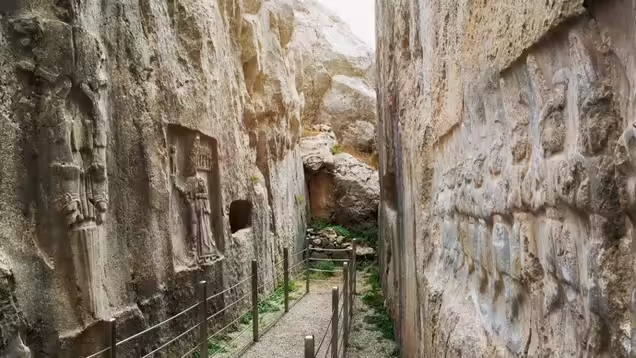
Hittite temples were massive stone constructions featuring altars, courtyards, and intricate reliefs of gods, animals, and celestial motifs. Many were dedicated to Tarhunt, the storm god, reflecting the civilization’s dependence on weather for agriculture and survival.

Ritual Practices
Priests conducted offerings, sacrifices, and divination ceremonies. Rituals often aligned with seasonal cycles to ensure prosperity and protect the empire from natural and spiritual threats. Temples also served as community centers for political and judicial gatherings.

Cultural Legacy
Though many Hittite sites were destroyed or buried, their religious practices, inscriptions, and architectural techniques reveal a sophisticated understanding of theology, cosmology, and societal governance. Modern archaeology continues to uncover insights about their worship and daily life.

← The Sacred Serpent Symbol in Ancient Mesoamerican CulturesThe Role of the Eagle in Ancient Roman and Native American Cultures →
Featured
image_2025-12-09_210002582.png
Dec 9, 2025
The Forgotten City of Mohenjo-Daro: The Heart of the Indus Valley
Dec 9, 2025
Read More →
Dec 9, 2025
image_2025-12-09_205828085.png
Dec 9, 2025
The Role of the Raven in Norse Mythology
Dec 9, 2025
Read More →
Dec 9, 2025
image_2025-12-09_205741655.png
Dec 9, 2025
The Ancient Inca Road System: An Engineering Marvel
Dec 9, 2025
Read More →
Dec 9, 2025
image_2025-12-09_205657000.png
Dec 9, 2025
The Role of the Sacred Cow in Ancient Hinduism
Dec 9, 2025
Read More →
Dec 9, 2025
image_2025-12-09_205014860.png
Dec 9, 2025
The Lost Civilization of the Olmecs: The First Mesoamerican Empire
Dec 9, 2025
Read More →
Dec 9, 2025
image_2025-12-09_203714830.png
Dec 9, 2025
The Role of the Black Obsidian Mirror in Ancient Shamanic Practices
Dec 9, 2025
Read More →
Dec 9, 2025
read more

Powered by The archaeologist