• MAIN PAGE
  • LATEST NEWS
    • Lost Cities
    • Archaeology's Greatest Finds
    • Underwater Discoveries
    • Greatest Inventions
    • Studies
    • Blog
  • PHILOSOPHY
  • HISTORY
  • RELIGIONS
    • Africa
    • Anatolia
    • Arabian Peninsula
    • Balkan Region
    • China - East Asia
    • Europe
    • Eurasian Steppe
    • Levant
    • Mesopotamia
    • Oceania - SE Asia
    • Pre-Columbian Civilizations of America
    • Iranian Plateau - Central Asia
    • Indus Valley - South Asia
    • Japan
    • The Archaeologist Editor Group
    • Scientific Studies
    • Aegean Prehistory
    • Historical Period
    • Byzantine Middle Ages
    • Predynastic Period
    • Dynastic Period
    • Greco-Roman Egypt
  • Rome
  • PALEONTOLOGY
  • About us
Menu

The Archaeologist

  • MAIN PAGE
  • LATEST NEWS
  • DISCOVERIES
    • Lost Cities
    • Archaeology's Greatest Finds
    • Underwater Discoveries
    • Greatest Inventions
    • Studies
    • Blog
  • PHILOSOPHY
  • HISTORY
  • RELIGIONS
  • World Civilizations
    • Africa
    • Anatolia
    • Arabian Peninsula
    • Balkan Region
    • China - East Asia
    • Europe
    • Eurasian Steppe
    • Levant
    • Mesopotamia
    • Oceania - SE Asia
    • Pre-Columbian Civilizations of America
    • Iranian Plateau - Central Asia
    • Indus Valley - South Asia
    • Japan
    • The Archaeologist Editor Group
    • Scientific Studies
  • GREECE
    • Aegean Prehistory
    • Historical Period
    • Byzantine Middle Ages
  • Egypt
    • Predynastic Period
    • Dynastic Period
    • Greco-Roman Egypt
  • Rome
  • PALEONTOLOGY
  • About us

The Secret History of the Samurai Before Japan

December 4, 2025

Tracing the Roots of Japan’s Warrior Class

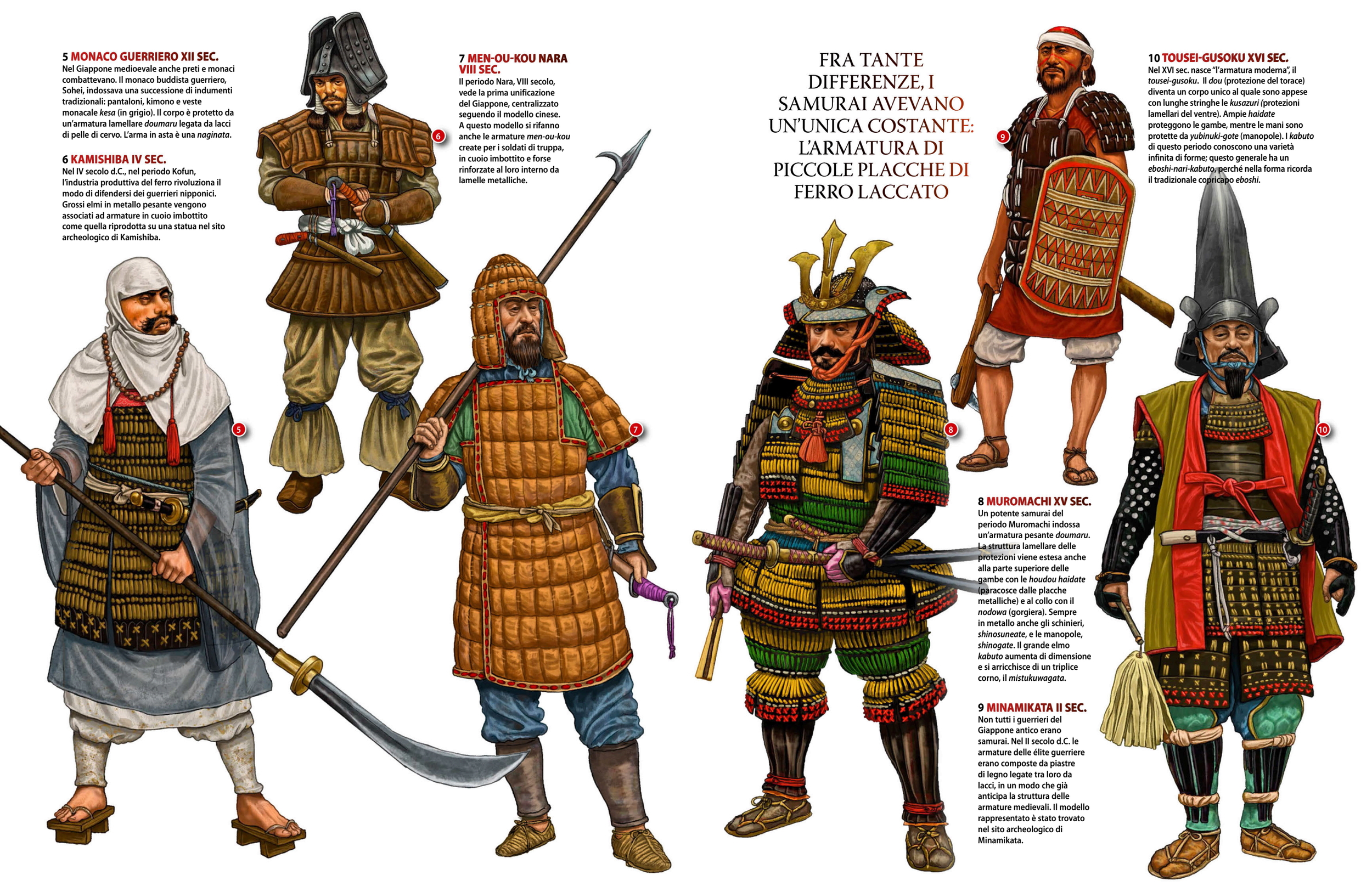
The samurai are central figures in Japanese history, known for their discipline, loyalty, and martial skill. But the traditions that shaped them may have begun long before Japan formed a formal samurai class.

Early Warrior Cultures Across East Asia

Before samurai emerged, East Asia was home to numerous warrior groups skilled in horseback riding, archery, clan warfare, and protective alliances. These early practices laid the groundwork for Japan’s later military structure.

Japan’s Transition to a Warrior Society

As regional clans gained power in early Japan, local warriors became essential for maintaining order and defending territory. Over time, these fighters developed a shared code of honor, loyalty, and discipline traits that eventually defined the samurai ethos.

From Clan Warriors to Elite Class

By the medieval era, the samurai had evolved into a respected social class with political influence and cultural identity. Their philosophy, refined through centuries of conflict and peace, would shape Japanese history for generations.
← The Role of Puppetry in Ancient TheatersThe Lost City of Dwarka: India’s Sunken Kingdom →
Featured
image_2025-12-04_181003218.png
Dec 4, 2025
The Role of Poison in Ancient Politics
Dec 4, 2025
Read More →
Dec 4, 2025
image_2025-12-04_175904323.png
Dec 4, 2025
The Secret Tunnels of the Knights Templar
Dec 4, 2025
Read More →
Dec 4, 2025
image_2025-12-04_175640684.png
Dec 4, 2025
The Discovery of the Sutton Hoo Ship Burial
Dec 4, 2025
Read More →
Dec 4, 2025
image_2025-12-04_175548102.png
Dec 4, 2025
The Role of Pirates in Ancient Civilizations
Dec 4, 2025
Read More →
Dec 4, 2025
image_2025-12-04_174641454.png
Dec 4, 2025
The Story of Gilgamesh: The World’s First Epic
Dec 4, 2025
Read More →
Dec 4, 2025
image_2025-12-04_174516449.png
Dec 4, 2025
The Influence of Mesopotamian Myths on Later Religions
Dec 4, 2025
Read More →
Dec 4, 2025
read more

Powered by The archaeologist