Ra, the ancient Egyptian sun god, was central to Egyptian cosmology. He was believed to travel across the sky by day and journey through the underworld by night, ensuring the cycle of life, death, and rebirth. His myth reflects the Egyptians’ understanding of natural cycles and spiritual continuity.
Daily Journey Across the Sky
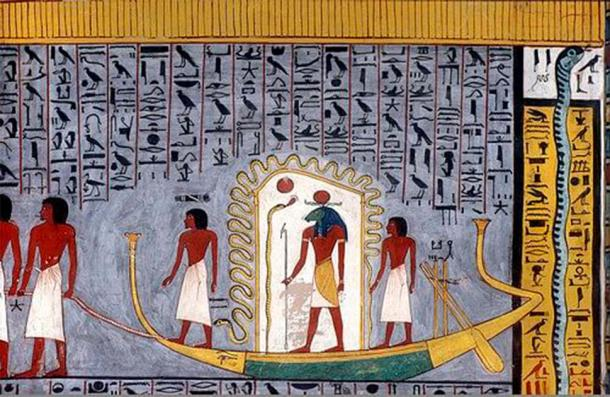
During the day, Ra traveled in his solar barque, bringing light, warmth, and life to the world. This journey symbolized order, sustenance, and divine oversight. Pharaohs were considered Ra’s earthly representatives, reinforcing their authority and connection to cosmic order.
Nighttime Voyage Through the Duat
At night, Ra navigated the underworld, facing challenges from chaotic forces, especially the serpent Apophis. These nightly battles represented the struggle between order and disorder, light and darkness. Egyptians believed that Ra’s triumph ensured the sun’s rebirth each morning.
Religious and Ritual Practices
Temples, hymns, and daily rituals were dedicated to Ra. Priests performed ceremonies to honor his journey and maintain cosmic balance. Solar imagery was central in tombs, papyri, and temple art, emphasizing Ra’s pervasive influence in religious and cultural life.
Symbolism and Legacy
Ra’s myth highlights themes of renewal, resilience, and cosmic order. It shaped Egyptian culture, influenced later deities, and provided a theological framework connecting the natural world to divine authority. Ra remains an enduring symbol of light, life, and eternal cycles.