The Hinnom Valley (Gehenna) in Jerusalem is one of the most archaeologically dense locations in the world. Known in antiquity as a necropolis, it contains hundreds of rock-cut tombs spanning over a millennium. The most famous discovery in this area occurred at a site called Ketef Hinnom (the "Shoulder of Hinnom") in 1979, where archaeologists uncovered the "Silver Shroud" scrolls—the oldest surviving fragments of the Hebrew Bible ever found.
The find was a miracle of preservation, as nearly all other tombs in the area had been looted in antiquity.
1. The Repository: A Hidden Chamber
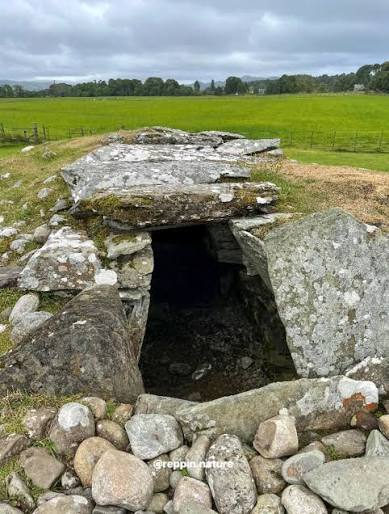
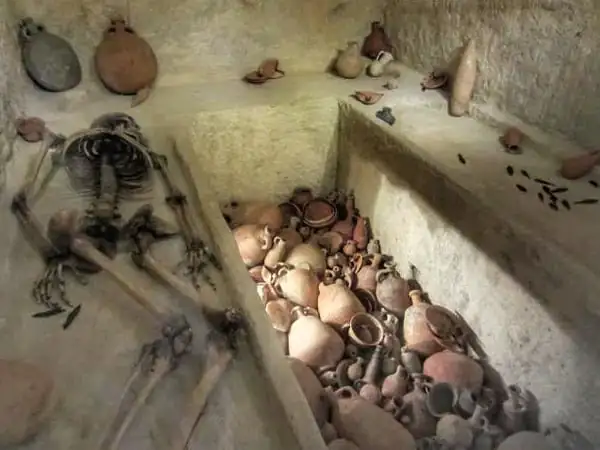
The discovery was made by a team led by archaeologist Gabriel Barkay. While excavating a series of Iron Age burial chambers, they found a "repository"—a pit beneath the burial benches where the bones and grave goods of previous generations were moved to make room for new burials.
The "Looting" Oversight: The repository in Tomb 24 had remained untouched for 2,600 years because the ceiling of the chamber had collapsed, sealing the floor under a layer of rubble that grave robbers assumed was solid bedrock.
The Young Assistant: The actual discovery was made by a 13-year-old volunteer who was told to clean the floor. He accidentally broke through the crust of the rubble, revealing a hoard of over 1,000 objects.
2. The Silver Scrolls: The "Amulets"
Among the jewelry, beads, and pottery were two tiny, tightly rolled cylinders made of 99% pure silver. They were no larger than a cigarette filter.
The Unrolling Process: It took three years for technicians at the Israel Museum to develop a method to unroll the scrolls without them shattering. They used a combination of secret chemicals and gradual pressure to reveal the microscopic writing inside.
The Script: The text was incised with a sharp needle in Paleo-Hebrew script, dating to the late 7th century BCE—the period just before the Babylonian destruction of Jerusalem.
3. The Priestly Blessing: Oldest Biblical Text
When the scrolls were finally read, they revealed a version of the Priestly Blessing found in the Book of Numbers (6:24–26).
The Text: "May the LORD bless you and keep you; may the LORD make his face shine upon you..." * The Significance: These scrolls predate the Dead Sea Scrolls by nearly 400 years. They prove that the liturgical language of the Torah was already in use in Jerusalem during the First Temple period, providing a crucial link between the archaeological record and the biblical narrative.
4. The "Silver Shroud" Concept
The scrolls are often referred to in the context of a "silver shroud" because of how they were used by the deceased.
Apotropaic Magic: The scrolls were perforated, suggesting they were worn as amulets around the neck. They were intended to protect the wearer in life and serve as a spiritual "shroud" or safeguard in the afterlife.
Personal Devotion: The presence of these amulets suggests that by the 7th century BCE, the worship of Yahweh was not just a national or temple-based religion, but a deeply personal one where individuals carried the "Name" of God with them for protection.
5. Grave Goods and the "Gathering of Ancestors"
The repository also provided a "time capsule" of Judean life.
Artifacts: Along with the scrolls, archaeologists found gold earrings, glass beads from Phoenicia, and iron arrowheads. These items reflect the wealth and international trade connections of Jerusalem’s elite.
The Family Tomb: The practice of moving bones into a central pit beneath the burial bench is the literal archaeological manifestation of the biblical phrase "gathered to his fathers." It allowed generations of the same family to physically rest together in the same sacred space.
6. The Dark History of the Hinnom Valley
The beauty of the silver scrolls stands in stark contrast to the reputation of the valley itself.
Gehenna: In later Jewish and Christian tradition, the Hinnom Valley (Ge-Hinnom) became the synonymous term for Hell.
Tophet: According to the Bible, the valley was once the site of a "Tophet," where apostate Israelites allegedly practiced child sacrifice to the god Moloch. By the time the silver scrolls were buried, the area was being "reclaimed" as a sacred cemetery, eventually becoming the tranquil archaeological site it is today.
The Ketef Hinnom scrolls remain a pinnacle of biblical archaeology. They are a rare instance where the "small" find—two tiny scraps of silver—carries more historical weight than the massive stone monuments of kings.