Medieval monasteries were much more than quiet retreats for prayer; they were the "engines" of the Middle Ages. In a period of decentralized power, these institutions functioned as the primary keepers of literacy, the pioneers of advanced agricultural technology, and the first "international" corporate networks.
By following the Rule of Saint Benedict, which emphasized both spiritual devotion and manual labor (ora et labora), monks transformed the European landscape and preserved the intellectual heritage of the ancient world.
1. The Scriptorium: Preservation of Knowledge
Before the invention of the printing press, monasteries were the only reason most Greco-Roman and early Christian texts survived.
The Scriptorium: This was a dedicated room where monks spent daylight hours hand-copying manuscripts. It was grueling, cold work that required immense precision.
Illuminated Manuscripts: Beyond simple text, monks created "illuminated" books using gold leaf and vibrant pigments derived from minerals and plants. These were not just books; they were sacred objects of art.
Classical Recovery: While they focused on the Bible, monks also copied works by Virgil, Cicero, and Aristotle. This preservation provided the intellectual foundation for the later Renaissance.
2. The Cistercians: Pioneers of Agriculture
While all monks farmed, the Cistercian Order became the most successful agricultural engineers in history. They sought out remote "wilderness" areas—often swamps or dense forests—and turned them into highly productive estates.
Hydraulics: The Cistercians were masters of water management. They diverted rivers to power grain mills, tanneries, and forges, and developed sophisticated irrigation systems for their fields.
The Grange System: Monasteries operated "granges" (outlying farms) run by lay brothers. This allowed them to manage vast tracts of land with industrial efficiency, leading to a massive surplus in wool and grain.
Selective Breeding: Monastic records show early efforts at selective breeding of sheep and cattle, which significantly increased the quality and quantity of food and textiles in Europe.
3. Architecture: The Abbey as a Micro-City
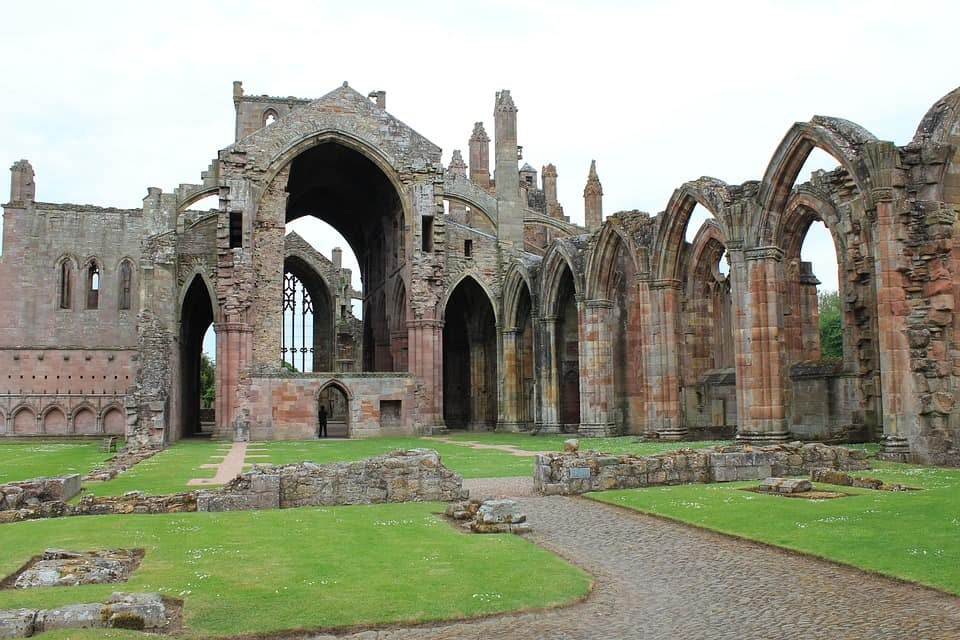
The layout of a monastery was designed for efficiency, hygiene, and spiritual focus. It was essentially a self-sustaining city.
The Cloister: A central, open-air courtyard that provided light and air to the surrounding buildings. It served as a space for meditation and transition between different parts of the abbey.
The Refectory and Dormitory: Mass-living quarters and dining halls that required innovative structural engineering to support large numbers of people.
The Infirmary: Monasteries were the hospitals of the Middle Ages. They maintained extensive physic gardens where they grew medicinal herbs like sage, mint, and poppy to treat the sick and the local poor.
4. Economic Power and the "Brand"
Monasteries were the economic powerhouses of their day. Through land donations from nobles seeking salvation, they became the largest landowners in Europe.
International Trade: Monasteries like Fountains Abbey in England became so wealthy from the wool trade that they functioned as international banks, lending money to kings and lords.
Brewing and Vintnering: To ensure safe drinking water and provide hospitality to travelers, monks perfected the science of brewing beer and making wine. Many modern European beer styles and vineyards still trace their "brand" back to specific monastic recipes.
5. The Library of the Soul
The monastic library was the most valuable asset of any abbey. Unlike modern libraries, books were often chained to desks to prevent theft, reflecting their immense value—a single Bible could cost as much as a small farm.
Scholasticism: Monasteries birthed the first "schools," which eventually evolved into the great universities of Europe (like Oxford and Paris).
Chronicles: Monks were the primary historians of the era, keeping "Chronicles" that recorded everything from local harvests and weather patterns to the deaths of kings and the passage of comets.
Medieval monasteries were the glue that held a fragmented Europe together. They provided a rare bridge between the high culture of the past and the practical needs of the future, proving that the pen and the plow were equally powerful tools for building a civilization.