The Norse Expansion into the North Atlantic
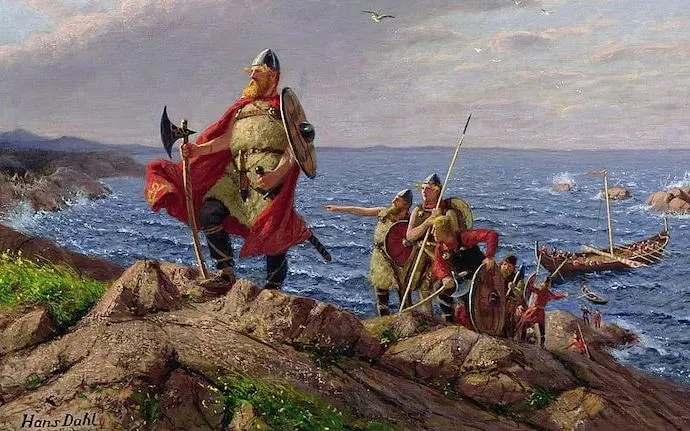
The Viking settlement of Greenland in the late 10th century stands as one of the most audacious maritime achievements of the Middle Ages. Driven by land hunger, social volatility in Iceland, and an innate seafaring culture, Norse explorers pushed beyond the known boundaries of the North Atlantic. The discovery and colonization of Greenland was not a haphazard event, but a carefully orchestrated effort led by one of the era’s most notorious figures: Erik the Red.
1. The Exile of Erik the Red
Erik Thorvaldsson, known as "Erik the Red" for his flaming hair and beard, was a man of violent temper even by the harsh standards of the Norse frontier. Born in Norway, he was forced into exile in Iceland following a series of feuds and homicides committed by his family.
In Iceland, history repeated itself; after killing neighbors in a fresh dispute, he was sentenced to a three-year period of outlawry (exile). Prevented from returning to any settled community, Erik chose to sail into the unknown western seas, searching for lands reported by earlier, lost explorers like Gunnbjörn Ulfsson.
2. Finding the "Green" Land
Around 982 AD, Erik reached the southeastern coast of Greenland. Finding the terrain there mountainous and covered in glacial ice, he sailed south around the island's tip and settled in the southwestern fjords—a region that offered microclimates surprisingly hospitable to pastoral farming.
Marketing the Settlement: When his period of outlawry ended, Erik returned to Iceland with a stroke of brilliant psychological marketing. He named the territory "Greenland" (Grænland), hoping the attractive name would entice his fellow countrymen to join him. It worked. In 985 AD, a fleet of 25 ships—carrying livestock, tools, and families—set sail from Iceland. Only 14 ships reached the destination, but the foundation of the Eastern Settlement and Western Settlement was established.
3. The Socio-Economic Foundation
Norse Greenland was a classic "frontier society" that operated on a knife-edge of survival. Despite the harsh environment, the settlers managed to maintain a distinctly Norse lifestyle for several centuries.
Pastoral Agriculture: The settlers focused on raising sheep, goats, and a few hardy cattle. They relied heavily on the natural meadows in the fjords to produce enough hay to sustain their livestock through the long, dark winters.
The Walrus Ivory Economy: Because Greenland lacked significant resources like timber or iron, the settlers had to find a way to trade with the outside world. Their primary "export" was walrus ivory. As ivory became highly coveted in Europe for Christian religious art and luxury items, the Greenlanders became the primary suppliers, hunting walrus in the northern reaches of Disko Bay and trading the ivory for iron, grain, and timber from Europe.
4. A Culture of Resilience and Adaptation
The Norse Greenlanders were forced to integrate aspects of Inuit technology to survive, though they remained stubbornly attached to their European cultural identity.
The Inuit Influence: The Norse likely had intermittent contact with the Dorset and Thule peoples. They adapted Inuit designs for boat-building and perhaps hunting gear, though archaeological records suggest the Norse maintained a sharp cultural divide, refusing to fully adopt the nomadic hunting lifestyle of the Inuit.
The End of the Settlement: The Greenland colonies thrived for nearly 400 years but ultimately declined by the mid-15th century. This collapse was likely caused by a "perfect storm" of factors: the Little Ice Age (which made agriculture impossible and ice-locked the shipping routes), a decline in the European demand for walrus ivory, and increased isolation from Norway and Iceland.
The Norse Expansion into the North Atlantic
The Viking settlement of Greenland in the late 10th century stands as one of the most audacious maritime achievements of the Middle Ages. Driven by land hunger, social volatility in Iceland, and an innate seafaring culture, Norse explorers pushed beyond the known boundaries of the North Atlantic. The discovery and colonization of Greenland was not a haphazard event, but a carefully orchestrated effort led by one of the era’s most notorious figures: Erik the Red.
1. The Exile of Erik the Red
Erik Thorvaldsson, known as "Erik the Red" for his flaming hair and beard, was a man of violent temper even by the harsh standards of the Norse frontier. Born in Norway, he was forced into exile in Iceland following a series of feuds and homicides committed by his family.
In Iceland, history repeated itself; after killing neighbors in a fresh dispute, he was sentenced to a three-year period of outlawry (exile). Prevented from returning to any settled community, Erik chose to sail into the unknown western seas, searching for lands reported by earlier, lost explorers like Gunnbjörn Ulfsson.
2. Finding the "Green" Land
Around 982 AD, Erik reached the southeastern coast of Greenland. Finding the terrain there mountainous and covered in glacial ice, he sailed south around the island's tip and settled in the southwestern fjords—a region that offered microclimates surprisingly hospitable to pastoral farming.
Marketing the Settlement: When his period of outlawry ended, Erik returned to Iceland with a stroke of brilliant psychological marketing. He named the territory "Greenland" (Grænland), hoping the attractive name would entice his fellow countrymen to join him. It worked. In 985 AD, a fleet of 25 ships—carrying livestock, tools, and families—set sail from Iceland. Only 14 ships reached the destination, but the foundation of the Eastern Settlement and Western Settlement was established.
3. The Socio-Economic Foundation
Norse Greenland was a classic "frontier society" that operated on a knife-edge of survival. Despite the harsh environment, the settlers managed to maintain a distinctly Norse lifestyle for several centuries.
Pastoral Agriculture: The settlers focused on raising sheep, goats, and a few hardy cattle. They relied heavily on the natural meadows in the fjords to produce enough hay to sustain their livestock through the long, dark winters.
The Walrus Ivory Economy: Because Greenland lacked significant resources like timber or iron, the settlers had to find a way to trade with the outside world. Their primary "export" was walrus ivory. As ivory became highly coveted in Europe for Christian religious art and luxury items, the Greenlanders became the primary suppliers, hunting walrus in the northern reaches of Disko Bay and trading the ivory for iron, grain, and timber from Europe.
4. A Culture of Resilience and Adaptation
The Norse Greenlanders were forced to integrate aspects of Inuit technology to survive, though they remained stubbornly attached to their European cultural identity.
The Inuit Influence: The Norse likely had intermittent contact with the Dorset and Thule peoples. They adapted Inuit designs for boat-building and perhaps hunting gear, though archaeological records suggest the Norse maintained a sharp cultural divide, refusing to fully adopt the nomadic hunting lifestyle of the Inuit.
The End of the Settlement: The Greenland colonies thrived for nearly 400 years but ultimately declined by the mid-15th century. This collapse was likely caused by a "perfect storm" of factors: the Little Ice Age (which made agriculture impossible and ice-locked the shipping routes), a decline in the European demand for walrus ivory, and increased isolation from Norway and Iceland.