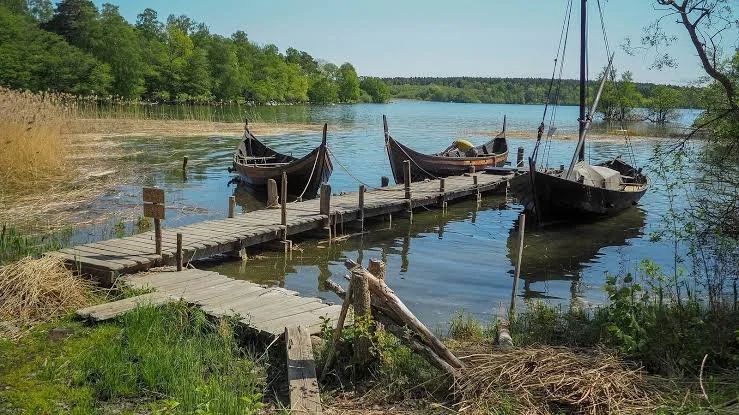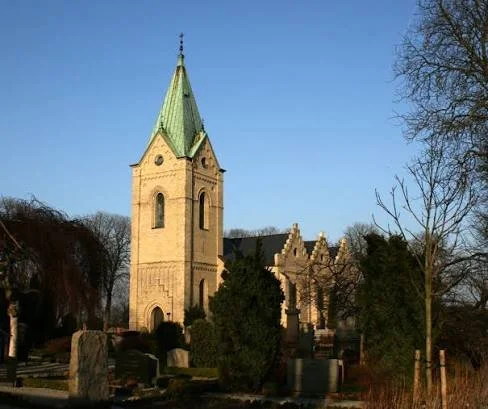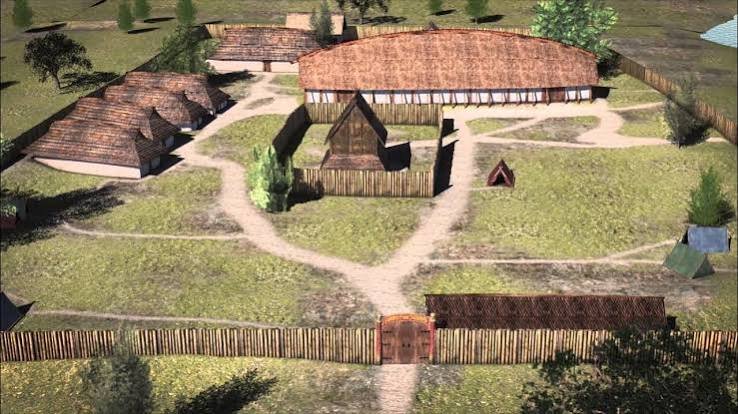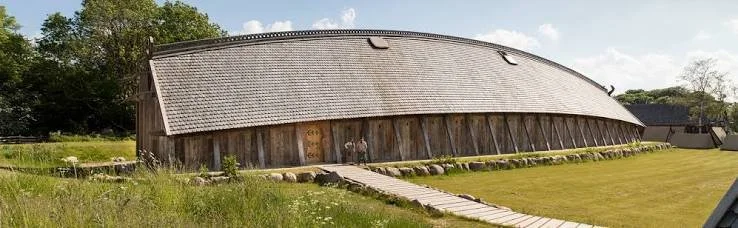
Kaupang, located near present-day Larvik in Vestfold, Norway, is widely recognized as Norway's first proto-urban settlement and a pivotal marketplace of the Viking Age. Established around 800 CE and active until the mid-10th century, it served as a vital hub for trade, craft production, and cultural exchange.
Kaupang as an Urban Center
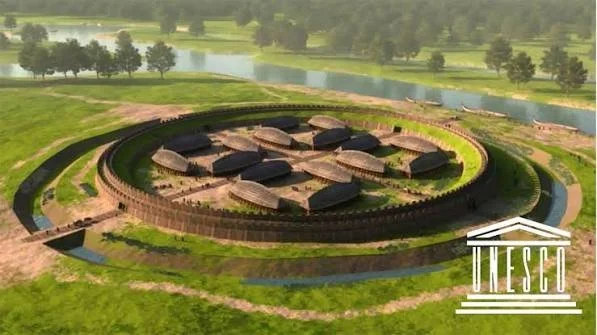
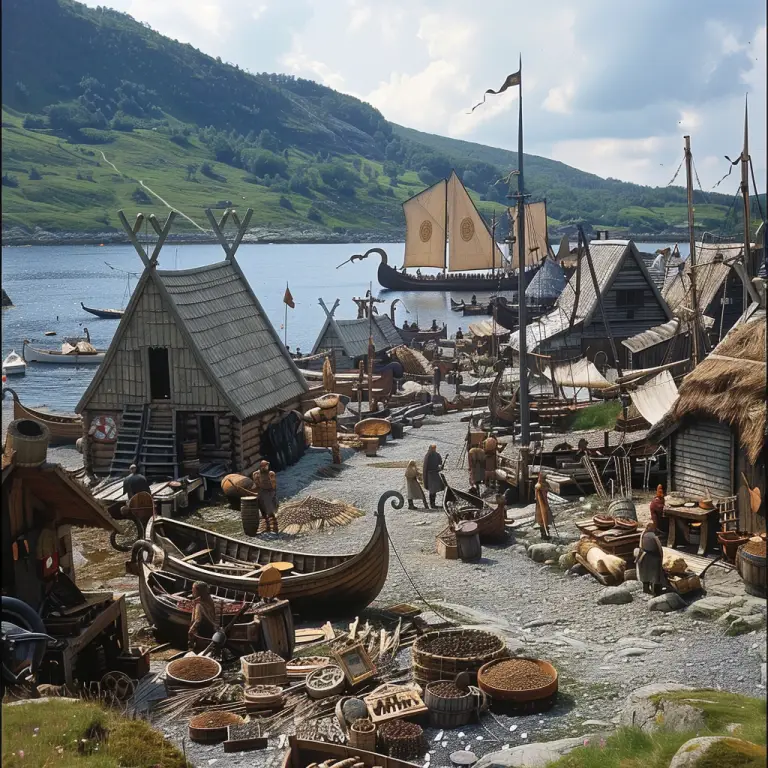
Unlike the predominantly rural farmsteads typical of the era, Kaupang functioned as a dense, permanent center of economic activity. At its peak, it supported an estimated population of 400 to 1,000 inhabitants. Its strategic position along the Viksfjorden allowed it to connect inland Norwegian resources with broader maritime trade networks reaching the North Sea, the Baltic, the British Isles, and even the Islamic world. Archaeological evidence—including a planned layout of plots, harbor facilities, and workshops—highlights its role as an organized "market-place" (the literal meaning of the Old Norse word kaupangr).
Discoveries in the Grave Sites
The cemeteries surrounding the settlement have been a primary focus of archaeological interest for over 150 years, yielding over 100,000 artifacts that offer a window into the lives of its residents:
Diverse Grave Types: Excavations have revealed cremation cemeteries, burial mounds, and boat burials. Some of the more elaborate boat burials are thought to have belonged to wealthy merchants, possibly of Danish origin.
International Goods: The grave goods provide clear evidence of Kaupang’s far-reaching trade networks. Finds include:
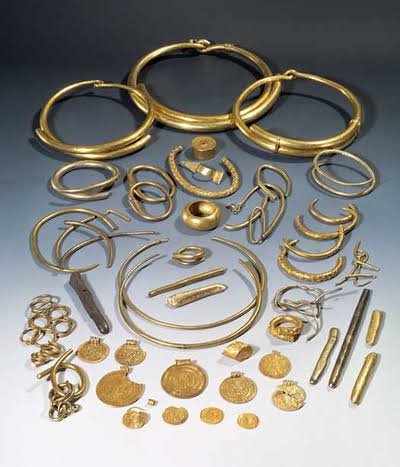
Luxury Items: Islamic silver coins, gold jewelry, and glass beads from various parts of Europe.
Craft and Daily Life: Tools for metalworking, weapons, and soapstone objects, which were common in both household contexts and burials.
Foreign Imports: Ceramic objects from Denmark, Frankish and Anglo-Saxon book mounts, Irish jewelry, and Rhenish pottery used for serving German wine.
Cultural Melting Pot: The mix of burial styles and the wide range of imported goods suggest that Kaupang was a cosmopolitan crossroads where local craftsmen and farmers lived and worked alongside merchants from across Scandinavia and beyond.
The site’s abandonment around 950 CE is thought to be the result of a combination of factors, including shifting trade routes, changing political landscapes, and the gradual silting of the harbor, which eventually led to the rise of new trade centers like Tønsberg. Today, the area is preserved as a cultural heritage site, where ongoing research and public exhibitions continue to illuminate this foundational chapter in Norwegian urban history.
Kaupang: The Viking Capital City
This video is relevant because it provides an overview of Kaupang's history as an early urban site, summarizing its significance as a trading hub and the archaeological insights gained from the area.