Every month, social media throws up all sorts of strange questions, like why towels have those odd lines or why ancient statues all have such small penises. These are things you rarely stop to think about—after all, why would you? But suddenly you realise you don’t actually know the answer.
While gazing at a statue in a museum during a holiday in Greece or Italy, you might have noticed the size of its penis and wondered about it. It’s a seemingly trivial detail you never really cared about—until now. Surprisingly, there is a reason, and it’s not because the sculptor ran out of stone.
In his 2016 book In Bed with the Ancient Greeks, British historian Paul Chrystal explained that, centuries ago when these statues were made, large penises were actually considered undesirable—a view completely opposite to today’s standards.
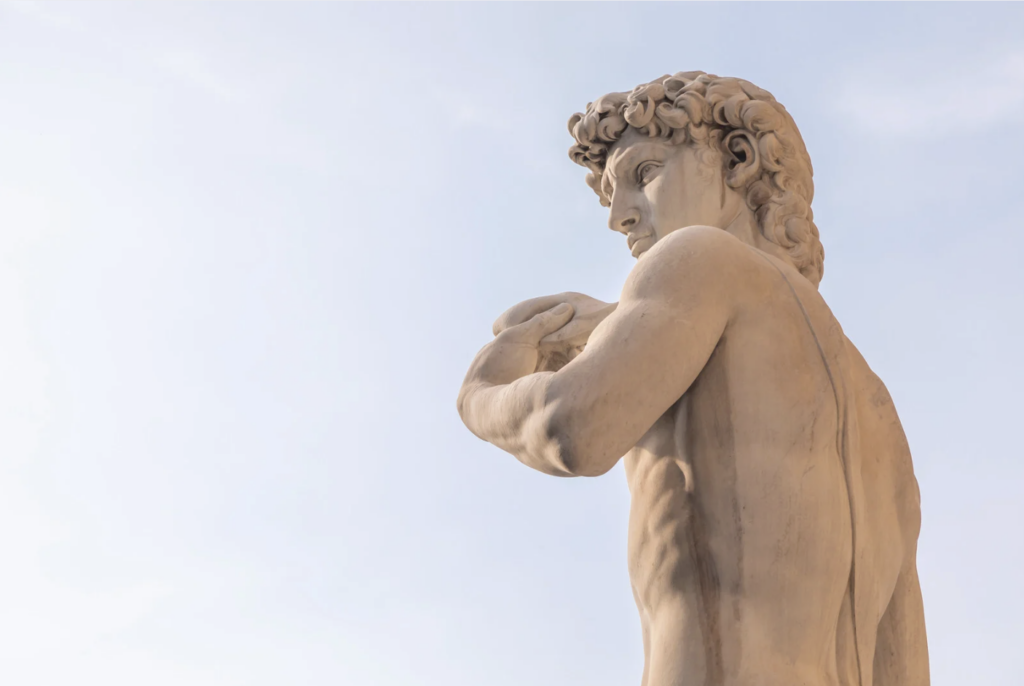
“Large penises were seen as vulgar and outside cultural norms, associated with the barbarians,” Chrystal wrote. “A small penis reflected Greek ideals of male beauty—it signified the highest culture and was a mark of civilisation.”
It was also linked to intelligence. Archaeologist Chaira told DW: “In ancient Greece and Rome, big genitals were considered unattractive. Sculptors depicted only small ones to signal that the man was a rational thinker who had his desires under control.”
In Greek comedy, fools were often shown with large penises as “a sign of stupidity,” Chrystal added—essentially an insult. So next time you find yourself staring at a random statue, you’ll know the reason behind this quirky detail.