• MAIN PAGE
  • LATEST NEWS
    • Lost Cities
    • Archaeology's Greatest Finds
    • Underwater Discoveries
    • Greatest Inventions
    • Studies
    • Blog
  • PHILOSOPHY
  • HISTORY
  • RELIGIONS
    • Africa
    • Anatolia
    • Arabian Peninsula
    • Balkan Region
    • China - East Asia
    • Europe
    • Eurasian Steppe
    • Levant
    • Mesopotamia
    • Oceania - SE Asia
    • Pre-Columbian Civilizations of America
    • Iranian Plateau - Central Asia
    • Indus Valley - South Asia
    • Japan
    • The Archaeologist Editor Group
    • Scientific Studies
    • Aegean Prehistory
    • Historical Period
    • Byzantine Middle Ages
    • Predynastic Period
    • Dynastic Period
    • Greco-Roman Egypt
  • Rome
  • PALEONTOLOGY
  • About us
Menu

The Archaeologist

  • MAIN PAGE
  • LATEST NEWS
  • DISCOVERIES
    • Lost Cities
    • Archaeology's Greatest Finds
    • Underwater Discoveries
    • Greatest Inventions
    • Studies
    • Blog
  • PHILOSOPHY
  • HISTORY
  • RELIGIONS
  • World Civilizations
    • Africa
    • Anatolia
    • Arabian Peninsula
    • Balkan Region
    • China - East Asia
    • Europe
    • Eurasian Steppe
    • Levant
    • Mesopotamia
    • Oceania - SE Asia
    • Pre-Columbian Civilizations of America
    • Iranian Plateau - Central Asia
    • Indus Valley - South Asia
    • Japan
    • The Archaeologist Editor Group
    • Scientific Studies
  • GREECE
    • Aegean Prehistory
    • Historical Period
    • Byzantine Middle Ages
  • Egypt
    • Predynastic Period
    • Dynastic Period
    • Greco-Roman Egypt
  • Rome
  • PALEONTOLOGY
  • About us

The World’s First Astronomers

January 6, 2026

Priests as Sky Watchers
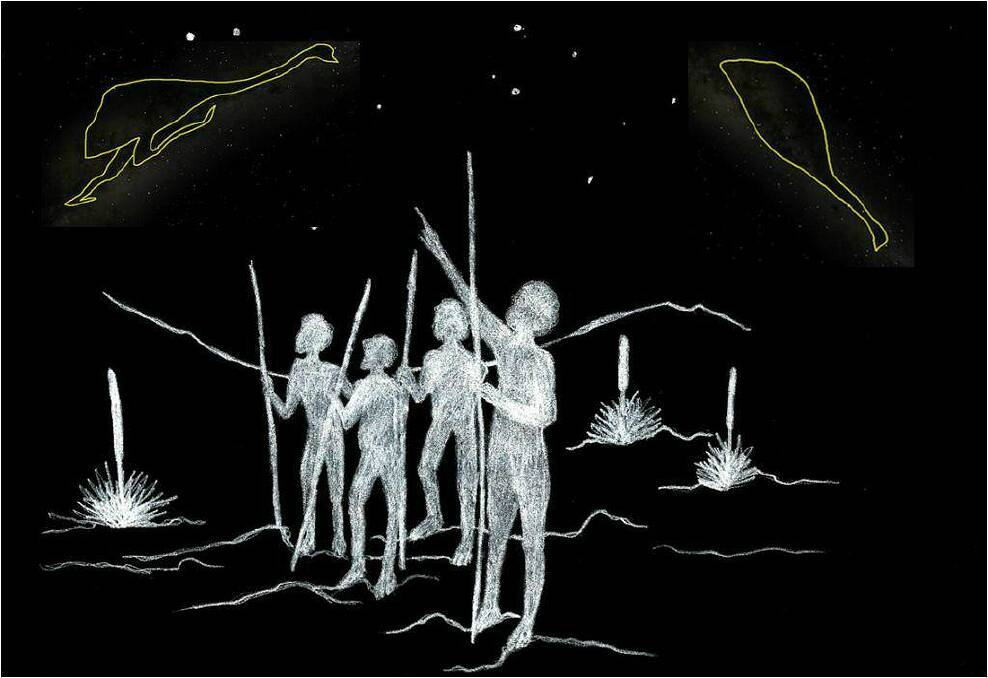
Ancient astronomers were often priests who observed the heavens to understand divine order. Long before telescopes, they tracked stars using sight, shadow, and stone alignments.

Solstices and Seasonal Timekeeping
Structures like Stonehenge, Nabta Playa, and Mayan temples align with solstices and equinoxes, marking agricultural cycles and religious festivals.

Eclipses and Planetary Cycles
Babylonian astronomers recorded lunar eclipses and planetary movements with remarkable accuracy. These records allowed prediction, not just observation.

Astronomy and Power
Controlling calendars meant controlling society. Rulers used astronomical knowledge to legitimize authority, claiming divine favor through celestial alignment.

Foundation of Science
These early astronomers laid the groundwork for mathematics, astrology, and later scientific astronomy.

← Ancient Desert Nomads and Their Secret KnowledgeLost Cities Swallowed by Sandstorms →
Featured
image_2026-02-21_225457188.png
Feb 21, 2026
The Princess of Bagicz: Tree Rings Resolve the Age of a Rare Roman Iron Age Wooden Coffin
Feb 21, 2026
Read More →
Feb 21, 2026
image_2026-02-21_225058691.png
Feb 21, 2026
Tomb more than 1000 years old found in Panama
Feb 21, 2026
Read More →
Feb 21, 2026
image_2026-02-21_225024526.png
Feb 21, 2026
Jesus Wasn’t a Messiah, He Was a Naughty Mushroom Trip. According to This Theory, Anyway.
Feb 21, 2026
Read More →
Feb 21, 2026
image_2026-02-21_223943764.png
Feb 21, 2026
Eatery recreates ancient Roman pizza – without tomatoes or mozzarella
Feb 21, 2026
Read More →
Feb 21, 2026
image_2026-02-21_223536117.png
Feb 21, 2026
Archaeologists discover remains of '10-foot-tall people' in cave
Feb 21, 2026
Read More →
Feb 21, 2026
image_2026-02-21_223410851.png
Feb 21, 2026
Archaeology Students Dug Up a Mass Viking Grave—With a Literal Giant Inside
Feb 21, 2026
Read More →
Feb 21, 2026
read more

Powered by The archaeologist