• MAIN PAGE
  • LATEST NEWS
    • Lost Cities
    • Archaeology's Greatest Finds
    • Underwater Discoveries
    • Greatest Inventions
    • Studies
    • Blog
  • PHILOSOPHY
  • HISTORY
  • RELIGIONS
    • Africa
    • Anatolia
    • Arabian Peninsula
    • Balkan Region
    • China - East Asia
    • Europe
    • Eurasian Steppe
    • Levant
    • Mesopotamia
    • Oceania - SE Asia
    • Pre-Columbian Civilizations of America
    • Iranian Plateau - Central Asia
    • Indus Valley - South Asia
    • Japan
    • The Archaeologist Editor Group
    • Scientific Studies
    • Aegean Prehistory
    • Historical Period
    • Byzantine Middle Ages
    • Predynastic Period
    • Dynastic Period
    • Greco-Roman Egypt
  • Rome
  • PALEONTOLOGY
  • About us
Menu

The Archaeologist

  • MAIN PAGE
  • LATEST NEWS
  • DISCOVERIES
    • Lost Cities
    • Archaeology's Greatest Finds
    • Underwater Discoveries
    • Greatest Inventions
    • Studies
    • Blog
  • PHILOSOPHY
  • HISTORY
  • RELIGIONS
  • World Civilizations
    • Africa
    • Anatolia
    • Arabian Peninsula
    • Balkan Region
    • China - East Asia
    • Europe
    • Eurasian Steppe
    • Levant
    • Mesopotamia
    • Oceania - SE Asia
    • Pre-Columbian Civilizations of America
    • Iranian Plateau - Central Asia
    • Indus Valley - South Asia
    • Japan
    • The Archaeologist Editor Group
    • Scientific Studies
  • GREECE
    • Aegean Prehistory
    • Historical Period
    • Byzantine Middle Ages
  • Egypt
    • Predynastic Period
    • Dynastic Period
    • Greco-Roman Egypt
  • Rome
  • PALEONTOLOGY
  • About us
No results found

They left thousands of sheep to starve on a barren island... and what happened next shocked everyone

February 1, 2026

Wild Sheep: The Island That Changed This Flock Forever 🐏🌪️

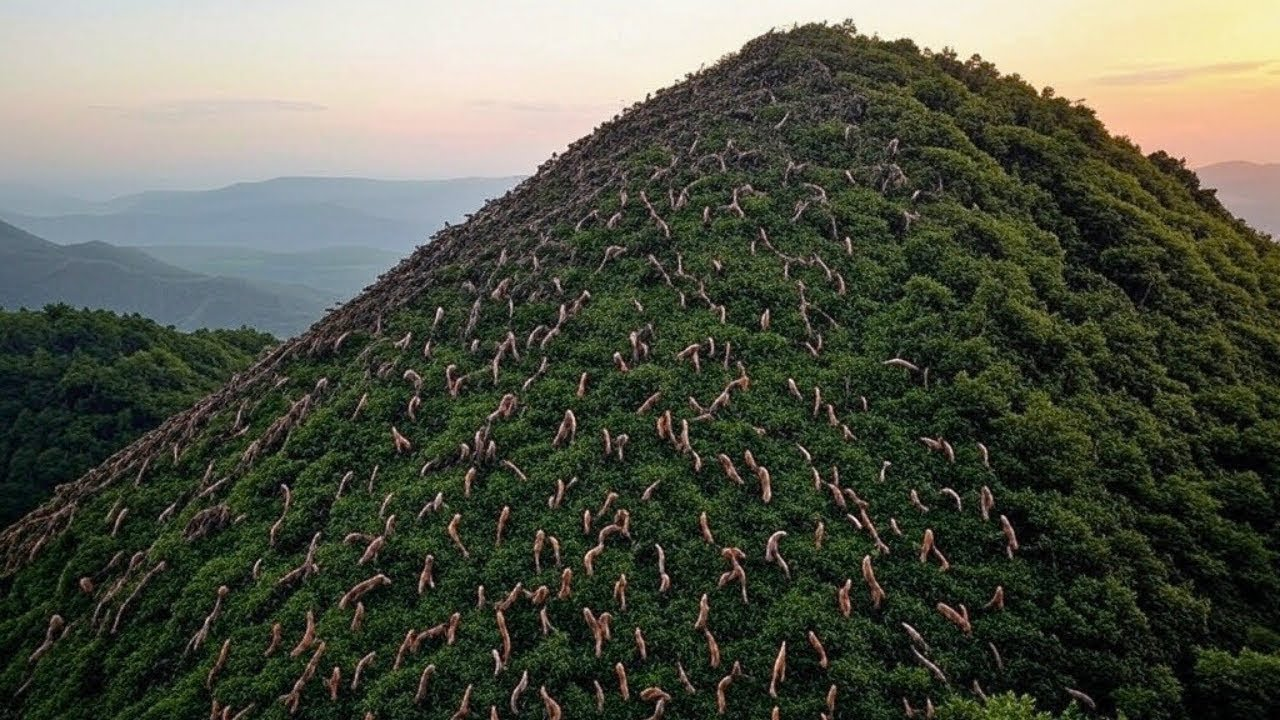
In 1896, a New Zealand farmer made a decision that would unknowingly turn into a living experiment in adaptation. He transported 400 domesticated sheep to a deserted, barren island — a place with no people, no shelter, and little more than wind, cold, and rock. The idea failed quickly. The farmer left. The sheep were abandoned to an uncertain fate.

And then, for seventy-five years, no one returned.

When humans finally set foot on the island again, they expected the worst. What they found instead was astonishing.

The sheep were alive — but they were no longer the animals that had been left behind.

These sheep were larger, their wool dense and heavily matted, and their behavior unmistakably wild. They showed little sign of domestication, reacting more like untamed animals than livestock. Decades of isolation had reshaped them, both physically and behaviorally, as if the island itself had rewritten their biology.

Cut off from human care, selective breeding, and protection, the flock was forced to adapt to brutal conditions. Only the strongest survived the freezing winds and scarce vegetation. Over generations, traits that favored survival — hardiness, aggression, and resilience — became dominant.

But the sheep didn’t change alone. Their presence transformed the island as well. Grazing altered fragile plant life, reshaping the ecosystem and raising important questions about how introduced species can impact isolated environments.

This strange chapter of natural history challenges our understanding of evolution and domestication. When animals are removed from human control, how quickly can they revert to wild traits? And does this transformation count as natural evolution, or something else entirely?

The story of these sheep is more than a curiosity — it’s a reminder of how powerful isolation can be, and how quickly life can adapt when left entirely to nature.

Watch the video below to discover how these sheep survived, how they changed the island, and what their story reveals about evolution away from humans:

← The Mystery of the Ancient Vinča SymbolsShark Size Comparison 3D | 3d Animation Comparison →
Featured
image_2026-04-29_212431481.png
Apr 30, 2026
The Tomb of the Silver Shroud: Archaeology in Jerusalem’s Hinnom Valley
Apr 30, 2026
Read More →
Apr 30, 2026
image_2026-04-29_212402483.png
Apr 30, 2026
Ancient Chinese Oracle Bones: The Origins of Writing in East Asia
Apr 30, 2026
Read More →
Apr 30, 2026
image_2026-04-29_212200516.png
Apr 30, 2026
The Elgin Marbles Debate: The History of the Sculptures’ Journey to London
Apr 30, 2026
Read More →
Apr 30, 2026
image_2026-04-29_212122580.png
Apr 30, 2026
Roman Roads: The Engineering Marvel That Bound an Empire
Apr 30, 2026
Read More →
Apr 30, 2026
image_2026-04-29_212047360.png
Apr 30, 2026
The Cahokia Mounds: The Rise and Fall of a Mississippi Metropolis
Apr 30, 2026
Read More →
Apr 30, 2026
image_2026-04-29_212013827.png
Apr 30, 2026
Medieval Monasteries: The Centers of Knowledge and Agriculture
Apr 30, 2026
Read More →
Apr 30, 2026
read more

Powered by The archaeologist