• MAIN PAGE
  • LATEST NEWS
    • Lost Cities
    • Archaeology's Greatest Finds
    • Underwater Discoveries
    • Greatest Inventions
    • Studies
    • Blog
  • PHILOSOPHY
  • HISTORY
  • RELIGIONS
    • Africa
    • Anatolia
    • Arabian Peninsula
    • Balkan Region
    • China - East Asia
    • Europe
    • Eurasian Steppe
    • Levant
    • Mesopotamia
    • Oceania - SE Asia
    • Pre-Columbian Civilizations of America
    • Iranian Plateau - Central Asia
    • Indus Valley - South Asia
    • Japan
    • The Archaeologist Editor Group
    • Scientific Studies
    • Aegean Prehistory
    • Historical Period
    • Byzantine Middle Ages
    • Predynastic Period
    • Dynastic Period
    • Greco-Roman Egypt
  • Rome
  • PALEONTOLOGY
  • About us
Menu

The Archaeologist

  • MAIN PAGE
  • LATEST NEWS
  • DISCOVERIES
    • Lost Cities
    • Archaeology's Greatest Finds
    • Underwater Discoveries
    • Greatest Inventions
    • Studies
    • Blog
  • PHILOSOPHY
  • HISTORY
  • RELIGIONS
  • World Civilizations
    • Africa
    • Anatolia
    • Arabian Peninsula
    • Balkan Region
    • China - East Asia
    • Europe
    • Eurasian Steppe
    • Levant
    • Mesopotamia
    • Oceania - SE Asia
    • Pre-Columbian Civilizations of America
    • Iranian Plateau - Central Asia
    • Indus Valley - South Asia
    • Japan
    • The Archaeologist Editor Group
    • Scientific Studies
  • GREECE
    • Aegean Prehistory
    • Historical Period
    • Byzantine Middle Ages
  • Egypt
    • Predynastic Period
    • Dynastic Period
    • Greco-Roman Egypt
  • Rome
  • PALEONTOLOGY
  • About us
No results found

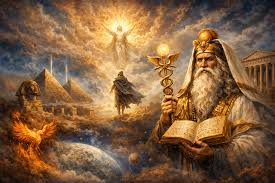
The First Astral Priests Who Interpreted the Heavens

March 17, 2026

Sacred Observers of the Sky

In many ancient societies, priests were responsible for studying the stars and interpreting celestial events.

These astral priests believed the movements of the heavens carried messages from the divine world.

Observatories and Sacred Structures

Some ancient temples were designed as observational centers where priests could track the positions of the sun, moon, and stars.

From these locations, they recorded celestial patterns that repeated across seasons and years.

Calendars and Timekeeping

By observing the sky, astral priests developed early calendar systems.

These calendars helped communities organize agricultural cycles, religious festivals, and important civic events.

Accurate timekeeping was essential for maintaining social order.

Prophecy and Interpretation

Celestial events such as eclipses or unusual planetary alignments were often interpreted as signs with spiritual meaning.

Priests studied these phenomena carefully, believing they revealed messages about the future.

Linking Heaven and Earth

Astral priests served as intermediaries between the cosmic and human worlds.

Their observations connected everyday life to the vast rhythms of the universe.

The Foundations of Astronomy

The careful work of these early observers laid the groundwork for later scientific study of the heavens.

Their fascination with the night sky helped humanity begin its long journey toward understanding the cosmos.
← Society raising £1.5m to buy historic Edinburgh propertyForgotten Stone Cities Hidden in the Mountains →
Featured
image_2026-04-29_212431481.png
Apr 30, 2026
The Tomb of the Silver Shroud: Archaeology in Jerusalem’s Hinnom Valley
Apr 30, 2026
Read More →
Apr 30, 2026
image_2026-04-29_212402483.png
Apr 30, 2026
Ancient Chinese Oracle Bones: The Origins of Writing in East Asia
Apr 30, 2026
Read More →
Apr 30, 2026
image_2026-04-29_212200516.png
Apr 30, 2026
The Elgin Marbles Debate: The History of the Sculptures’ Journey to London
Apr 30, 2026
Read More →
Apr 30, 2026
image_2026-04-29_212122580.png
Apr 30, 2026
Roman Roads: The Engineering Marvel That Bound an Empire
Apr 30, 2026
Read More →
Apr 30, 2026
image_2026-04-29_212047360.png
Apr 30, 2026
The Cahokia Mounds: The Rise and Fall of a Mississippi Metropolis
Apr 30, 2026
Read More →
Apr 30, 2026
image_2026-04-29_212013827.png
Apr 30, 2026
Medieval Monasteries: The Centers of Knowledge and Agriculture
Apr 30, 2026
Read More →
Apr 30, 2026
read more

Powered by The archaeologist