Settlements in the High Places
Across the world’s mountain ranges, archaeologists have discovered ruins of ancient cities built in remote and challenging environments.
These settlements often remain hidden for centuries, protected by rugged terrain and isolation.
Remarkable Architecture
Mountain cities were carefully designed to adapt to steep landscapes.
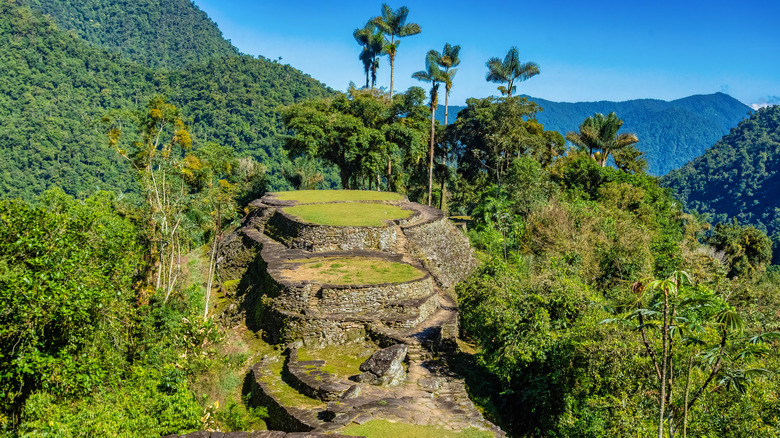
Builders created terraces for farming, carved roads into cliffs, and constructed sturdy stone buildings capable of withstanding harsh weather.
These architectural achievements demonstrate impressive engineering skills.
Life in Isolation
Living in mountain environments required careful planning.
Communities developed agricultural techniques suited to high altitudes and relied on trade with nearby regions for resources they could not produce locally.
Despite their isolation, these cities often became thriving cultural centers.
Strategic Advantages
Mountain locations offered natural defenses against enemies.
High cliffs, narrow passes, and steep terrain made these cities difficult to attack.
This security allowed communities to develop stable societies in otherwise challenging environments.
Why Were They Abandoned?
Many mountain cities were eventually deserted.
Possible explanations include climate change, political conflict, or shifts in trade routes that made these locations less practical.
Without continuous occupation, the cities gradually fell into ruin.
Rediscovering Lost Worlds
Modern explorers and archaeologists continue to uncover these forgotten settlements.
Their discoveries reveal the resilience and ingenuity of ancient communities that thrived in some of the world’s most demanding landscapes.