Introduction
Located near Portsmouth, Ohio, along the Scioto River Valley, Tremper Mound is one of the most remarkable ceremonial burial mounds of the Hopewell culture, dating between approximately 100 BCE and 400 CE. The site is internationally renowned for the discovery of an extraordinary cache of carved stone smoking pipes, making it one of the richest collections of Hopewell ceremonial artifacts ever uncovered. Tremper Mound functioned as both a mortuary monument and a sacred ceremonial center where elaborate rituals honored important members of the community.
Burial Construction
The mound was built by carefully layering basket loads of earth over prepared ceremonial structures and burials. Beneath the mound, archaeologists discovered wooden mortuary buildings where funeral ceremonies were performed before the final earthen covering was added.
Repeated construction episodes gradually enlarged the mound, demonstrating its continued ceremonial significance over several generations.
The Famous Pipe Cache
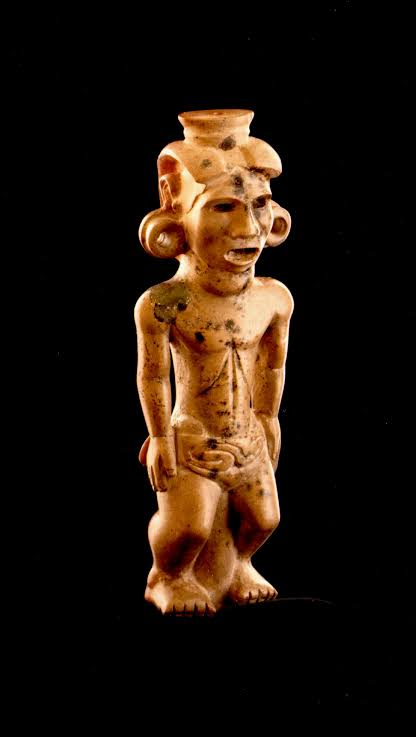
Tremper Mound is best known for its remarkable cache of more than 130 expertly carved stone pipes, many depicting birds, mammals, reptiles, and mythical creatures with extraordinary realism. Crafted primarily from fine-grained pipestone, these ceremonial objects were likely used by religious leaders during sacred rituals before being intentionally deposited within the mound.
The diversity and artistic quality of the pipes reflect the remarkable craftsmanship and symbolic traditions of Hopewell artisans.
Religion and Trade
The ceremonial importance of Tremper Mound extended beyond local communities. Exotic materials recovered from the site—including copper from the Great Lakes, obsidian from Yellowstone, marine shell from the Gulf Coast, and mica from the Appalachian Mountains—demonstrate participation in the vast Hopewell exchange network.
The mound likely served as a gathering place where religious ceremonies, diplomatic meetings, and long-distance trade reinforced social relationships across eastern North America.
Archaeological Importance
Excavations have made Tremper Mound one of the most significant Hopewell archaeological sites in North America. Its exceptional pipe cache provides invaluable evidence for prehistoric religious symbolism, artistic achievement, and ceremonial traditions.
Conclusion
Tremper Mound stands among the finest examples of Hopewell ceremonial architecture, combining monumental burial construction with one of the richest collections of prehistoric ritual pipes ever discovered. The site remains essential for understanding Hopewell religion, artistry, and long-distance interaction.