• MAIN PAGE
  • LATEST NEWS
    • Lost Cities
    • Archaeology's Greatest Finds
    • Underwater Discoveries
    • Greatest Inventions
    • Studies
    • Blog
  • PHILOSOPHY
  • HISTORY
  • RELIGIONS
    • Africa
    • Anatolia
    • Arabian Peninsula
    • Balkan Region
    • China - East Asia
    • Europe
    • Eurasian Steppe
    • Levant
    • Mesopotamia
    • Oceania - SE Asia
    • Pre-Columbian Civilizations of America
    • Iranian Plateau - Central Asia
    • Indus Valley - South Asia
    • Japan
    • The Archaeologist Editor Group
    • Scientific Studies
    • Aegean Prehistory
    • Historical Period
    • Byzantine Middle Ages
    • Predynastic Period
    • Dynastic Period
    • Greco-Roman Egypt
  • Rome
  • PALEONTOLOGY
  • About us
Menu

The Archaeologist

  • MAIN PAGE
  • LATEST NEWS
  • DISCOVERIES
    • Lost Cities
    • Archaeology's Greatest Finds
    • Underwater Discoveries
    • Greatest Inventions
    • Studies
    • Blog
  • PHILOSOPHY
  • HISTORY
  • RELIGIONS
  • World Civilizations
    • Africa
    • Anatolia
    • Arabian Peninsula
    • Balkan Region
    • China - East Asia
    • Europe
    • Eurasian Steppe
    • Levant
    • Mesopotamia
    • Oceania - SE Asia
    • Pre-Columbian Civilizations of America
    • Iranian Plateau - Central Asia
    • Indus Valley - South Asia
    • Japan
    • The Archaeologist Editor Group
    • Scientific Studies
  • GREECE
    • Aegean Prehistory
    • Historical Period
    • Byzantine Middle Ages
  • Egypt
    • Predynastic Period
    • Dynastic Period
    • Greco-Roman Egypt
  • Rome
  • PALEONTOLOGY
  • About us
No results found

Vinquoy Hill: Eday's Chambered Cairn

September 9, 2026

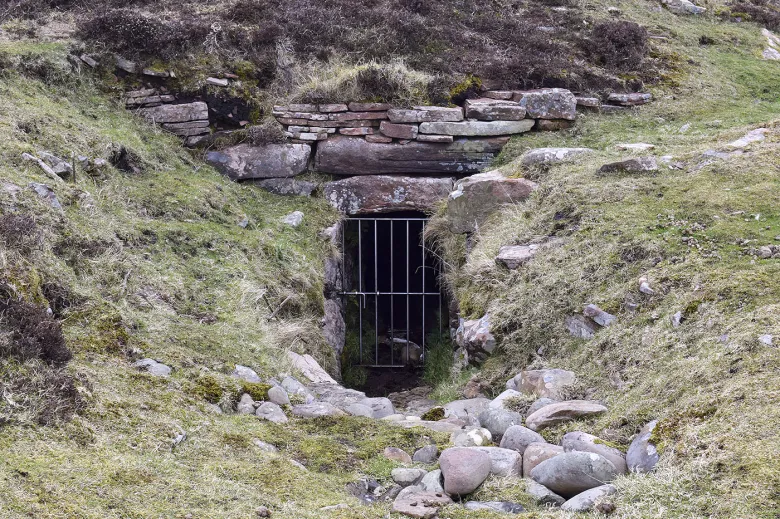
Vinquoy Hill is home to one of Eday's important prehistoric chambered cairns.

The monument contributes to the extraordinary concentration of Neolithic burial architecture found throughout Orkney.

The Chambered Cairn

A chambered cairn was a large stone-built burial monument.

Vinquoy Hill's architecture reflects the wider tradition of constructing enclosed chambers beneath substantial stone mounds.

The Passage

A passage provided access to the internal chamber.

Such passages could create a controlled transition between the outside world and the interior.

This architectural distinction may have had symbolic significance.

Collective Burial

The monument could accommodate multiple human remains.

The accumulation of remains over generations suggests that these monuments were important repositories of ancestral memory.

Monumental Construction

The builders had to coordinate large quantities of stone.

They needed to understand:

  • structural stability;

  • weight distribution;

  • roofing;

  • and drainage.

The survival of these monuments demonstrates the effectiveness of their construction methods.

The Hilltop Location

The position on Vinquoy Hill is significant.

Elevated monuments could be visible from considerable distances.

They could therefore function as territorial landmarks as well as funerary structures.

Eday's Archaeological Richness

Eday contains numerous prehistoric monuments.

This concentration suggests that the island was an important component of the wider ceremonial and agricultural system of Neolithic Orkney.

Ancestry and Identity

A monumental tomb could reinforce a community's connection with its ancestors.

The monument effectively transformed memory into architecture.

Generations could recognize the same structure as a landmark connected with their predecessors.

Conclusion

Vinquoy Hill: Eday's Chambered Cairn demonstrates the sophisticated architectural and social traditions of Neolithic Orkney.

The monument's construction, elevated location, and funerary function reveal a society in which ancestry, community identity, and landscape were closely interconnected.
← Ballymeanoch: Argyll's Kerbed CairnPollachlean: Argyll's Early Christian Site →
Featured
image_2026-09-01_150407961.png
September 9, 2026
Dunadd Fort: Argyll's Inauguration Rock Carvings
September 9, 2026
Read more →
September 9, 2026
image_2026-09-01_150445885.png
September 9, 2026
Kilmartin Glen: Argyll's 5,000-Year Megalithic Landscape
September 9, 2026
Read more →
September 9, 2026
image_2026-09-01_150523753.png
September 9, 2026
Nether Largie: Argyll's Clyde Tomb Alignment
September 9, 2026
Read more →
September 9, 2026
image_2026-09-01_150612586.png
September 9, 2026
Ri Cruin: Argyll's Bronze Age Cairn Circle
September 9, 2026
Read more →
September 9, 2026
image_2026-09-01_150753980.png
September 9, 2026
Barnaluasgan: Argyll's Standing Stones
September 9, 2026
Read more →
September 9, 2026
image_2026-09-01_150644895.png
September 9, 2026
Ballymeanoch: Argyll's Kerbed Cairn
September 9, 2026
Read more →
September 9, 2026
read more

Powered by The archaeologist