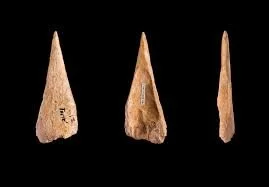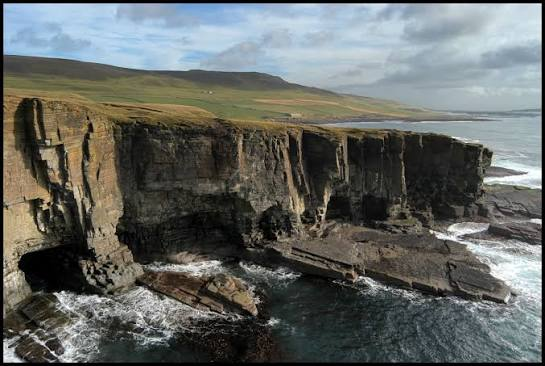
Westness Cemetery on Rousay is one of the most important archaeological resources for studying Norse burial traditions in Orkney.
The cemetery forms part of a larger archaeological landscape containing evidence of settlement and long-term occupation.
Norse Burial Customs
Burial practices changed considerably during the Viking Age.
Early Scandinavian religious traditions could involve grave goods and distinctive burial arrangements.
With Christianization, burial customs changed.
Grave Goods
Norse graves may contain:
weapons;
brooches;
beads;
tools;
keys;
buckles;
and other personal possessions.
However, not every grave contains artifacts.
The absence of grave goods does not mean that a person lacked social importance.
Women and Men
Archaeological evidence can sometimes provide clues about gendered roles.
Weapons may occur in some male-associated burials, while women could be buried with jewelry and household implements.
However, archaeologists increasingly recognize that grave goods do not always correspond directly to biological sex or occupation.
Christianization
As Christianity became established, burial practices increasingly changed.
The transition was gradual.
Some communities maintained older traditions alongside Christian practices.
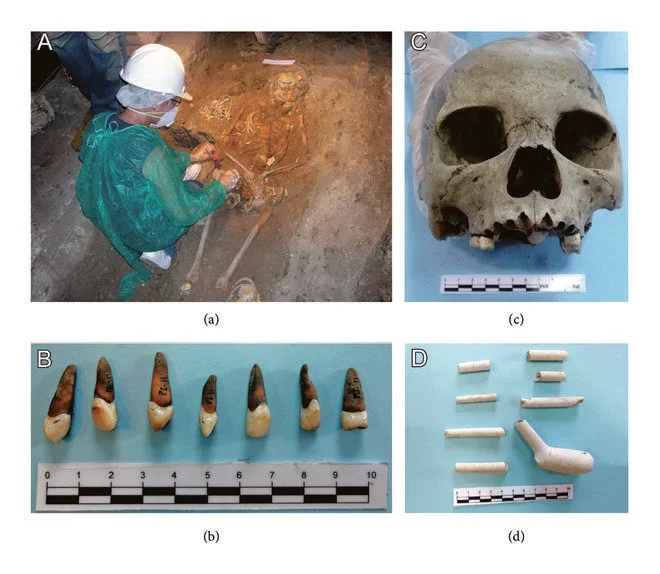
Skeletal Evidence
Human remains can provide information about:
age;
biological sex;
disease;
injuries;
diet;
and physical activity.
Modern archaeological science can also use isotopic and genetic methods to investigate mobility and ancestry.
The Rousay Landscape
Westness Cemetery should be understood alongside the surrounding settlement landscape.
Burials were connected to communities.
The cemetery therefore provides evidence for the people who lived and worked in the surrounding farms.
Conclusion
Westness Cemetery: Rousay's Norse Graves provides a valuable record of the people who lived during one of the most transformative periods in Orkney's history.
The cemetery illustrates changing religious traditions, social identity, family life, and the integration of Orkney into the wider.