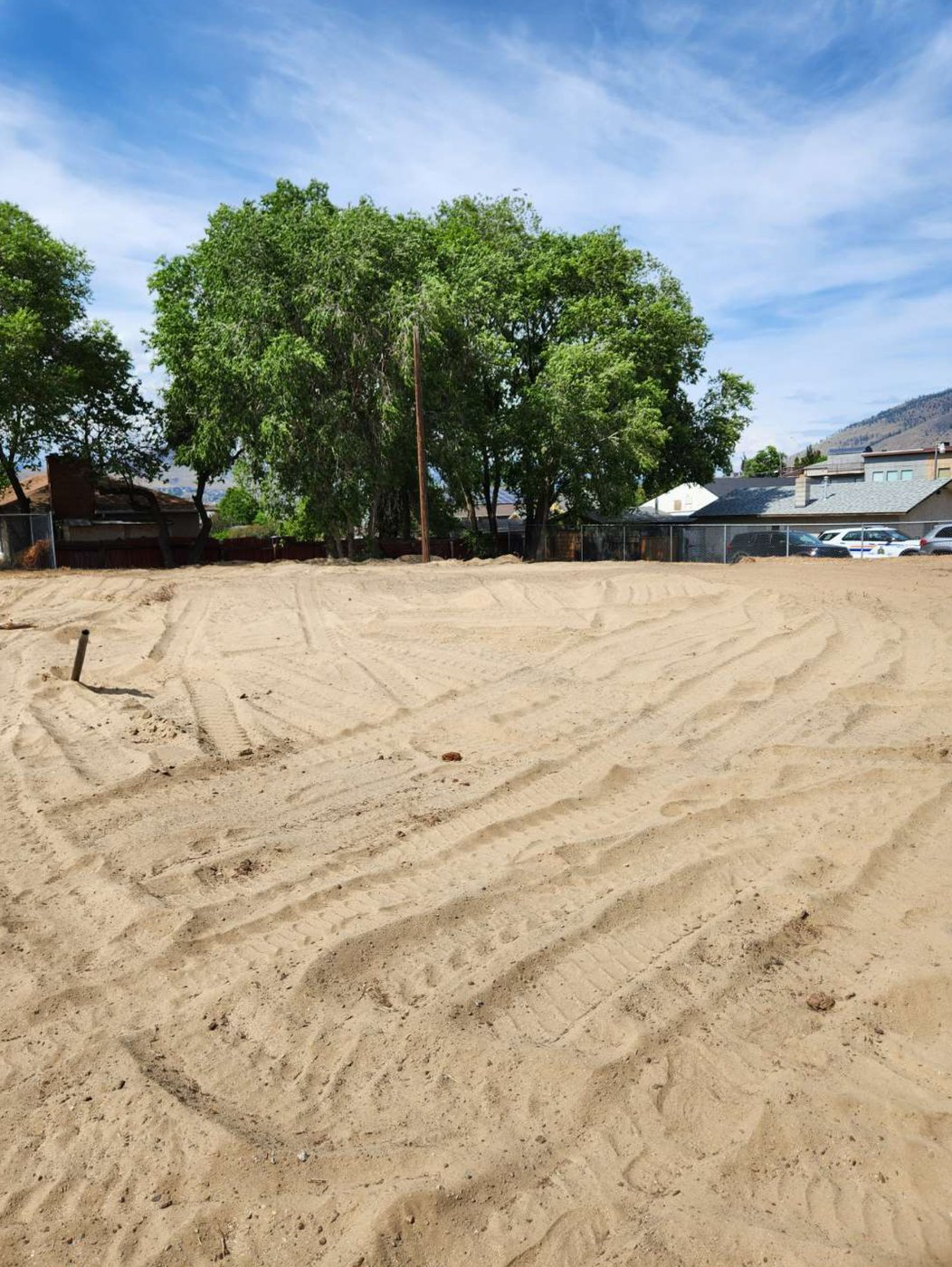
In June, landscapers working on a property in Kamloops, B.C., uncovered two human skulls and jawbones. Police and the coroner were notified, and after determining the remains were ancient, the Tk’emlúps te Secwépemc First Nation was contacted. The following day, the Nation declared the Park Place Seniors Living property a sacred site, citing protections under the United Nations Declaration on the Rights of Indigenous Peoples (UNDRIP) and the B.C. Heritage Conservation Act, and placed the area under 24-hour security.
An archaeologist later hired by the property owners, Gordon Mohs, concluded the remains were found in imported landfill rather than undisturbed soil. His report noted that while intact areas of the site contained dark, organic soil, the area where the skulls were discovered consisted of sandy material consistent with imported fill.
Mohs has since warned that similar discoveries on private land may go unreported in the future after the owners said they were asked by the First Nation to pay $80,000 for security, archaeological work, and a smudging ceremony. Lawyer Christine Elliott, representing the owners, said the request was verbal and that her client has no intention of paying, noting they have already incurred more than $100,000 in legal and archaeological costs on a property valued at roughly $440,000.
Chief Rosanne Casimir of Tk’emlúps te Secwépemc acknowledged the financial burden such cases place on private landowners and said the First Nation has long called for government policy changes to provide financial support. Without such support, she warned, landowners may be discouraged from reporting discoveries.
Casimir disputed Mohs’ conclusion about the origin of the remains, stating they were found in locally disturbed sediments, not imported fill. She confirmed the remains were removed from the site between late September and early October and are being cared for within the community according to cultural protocols, with further assessment ongoing.
Mohs argued the Heritage Conservation Act clearly places responsibility for archaeological investigations on property owners but criticized the lack of transparency in this case, saying the owner was left without information for more than two months. He predicted more First Nations will assert authority over private lands under UNDRIP principles, potentially increasing conflicts and costs.
Provincial officials acknowledged the frustrations involved. Forests Minister Ravi Parmar said staff are working to balance respect for ancestral remains with timely resolutions for property owners. Premier David Eby said the case highlights the need for reform, calling the current legislation ineffective for all parties.
Despite recognition of gaps in the law, planned reforms to the Heritage Conservation Act have been postponed. Meanwhile, the Tk’emlúps te Secwépemc archaeology department reported recovering additional ancestral remains and cultural items, noting further assessment is required to determine whether more remains are present at greater depths.