A Secret Chamber Hiding in Plain Sight? The Tomb of Khentkawas, Giza

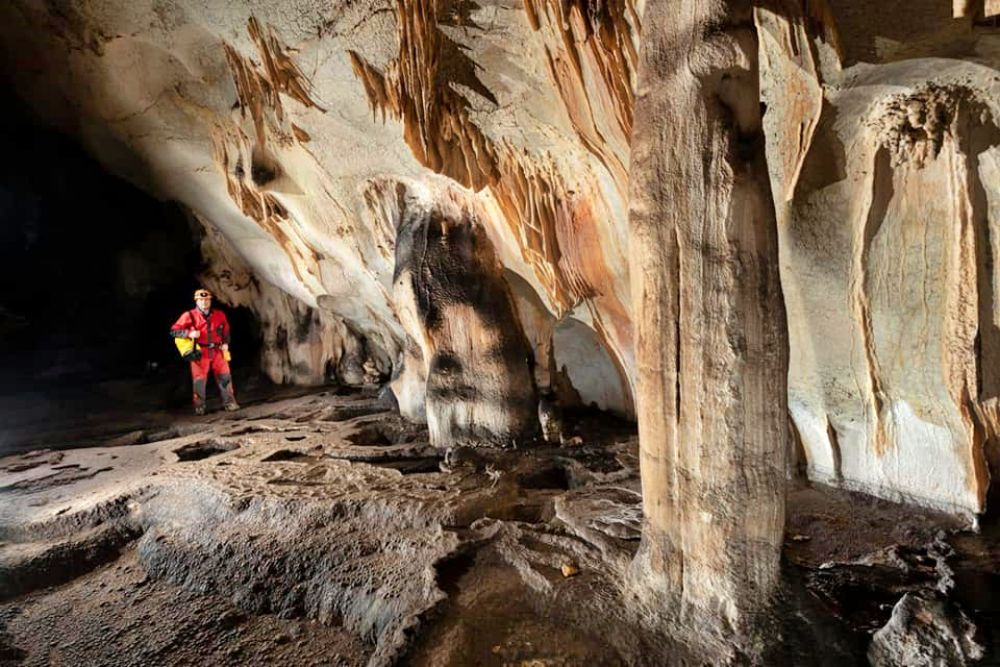
The Tomb of Khentkawas may not be the most breathtaking ancient monument on the Giza Plateau, but this Old Kingdom ruin is certainly one of the most prominent. Today it is very much unloved and off limits to tourists, which for me is a real shame because I think it may still have a secret hiding in plain sight.

For the first half of this video, I take a close look at the mysterious and incomplete history of Tomb of Khentkawas, before highlighting a curious anomaly I’ve identified on the 2006 laser scanning survey results, which I think could be a concealed entrance into a secret hidden chamber or corridor, unopened for 4,500 years.

15 Largest Humans To Ever Live

In the video below we will analyze the 15 largest humans that have ever lived. Watch the video to find out more!

12 Most Amazing Ancient Artifacts Finds

From ancient treasures to forgotten ruins, this video is going to take you on a thrilling journey into the world of archaeology, showcasing some of the most fascinating discoveries made by archaeologists and, in some cases, by non-archaeologists who got the shocks of their lives when they came across their surprising finds! Get ready to uncover the secrets of the past and experience the excitement of unearthing history.

What They Just Captured In Africa Shocks The Whole World

From a cave layered with human remains to Africa splitting apart, what scientists have just discovered in Africa terrified them! It's no surprise that Africa has secrets that still make us question everything we’ve ever known. Join us as we uncover the most unsettling discoveries that hide within the world’s second-largest continent.

Secret History Revealed: Who Really Built the Gigantic Stone Blocks in Baalbek?

In Baalbek, Lebanon, researchers are faced with a mystery. Three stones are built into the foundation of a temple that should not actually exist. On top of that, the pillars of the temple are made of a stone that only occurs in Aswan in Egypt, almost 1,500 kilometers away. The transport of heavy stones already poses problems in the present. Stones weighing as much as the largest of Baalbek would have to be lifted by 18 heavy-duty cranes today. Even the components of nearly 100 columns would require incredible convoys of specially secured heavy-duty trucks. But these stones were moved over this distance at a time when there was neither asphalt nor engines.

All this gave rise to speculation: Are the stones of Baalbek also legacies of a much older culture that had advanced technologies? Who could really be behind the construction of the Temple of Baalbek, we look at today in this video.

10 Terrifying Prehistoric Giants

The heaviest animal that has ever lived on Earth is the blue whale, whose weight exceeds 150 tons. As far as we know, no living organism in history has had a similar mass. But some creatures could boast of larger sizes.

Dinosaurs enjoy, perhaps, undeserved attention of the public, because besides them, many other animals of enormous size lived on Earth, which we will never see in the flesh. Some of them are gigantic ancestors of living creatures, while others did not leave offspring, and therefore seem especially amazing. The remains of prehistoric giants can shed light on the gradual changes in living conditions on Earth, since the size of animals is often directly dependent on the environment.

In addition, there is something bewitching in the extinct giants, the appearance of which we can only imagine.

The Most Humiliating Execution Methods Used in the Roman Empire

Step back in time and uncover the most humiliating execution methods employed by the Roman Empire. Witness the chilling techniques used to maintain order and instill fear, as we delve into the darker side of ancient Rome's justice system. Prepare for a shocking and eye-opening experience!

The Eye: Argentina's enigmatic revolving island

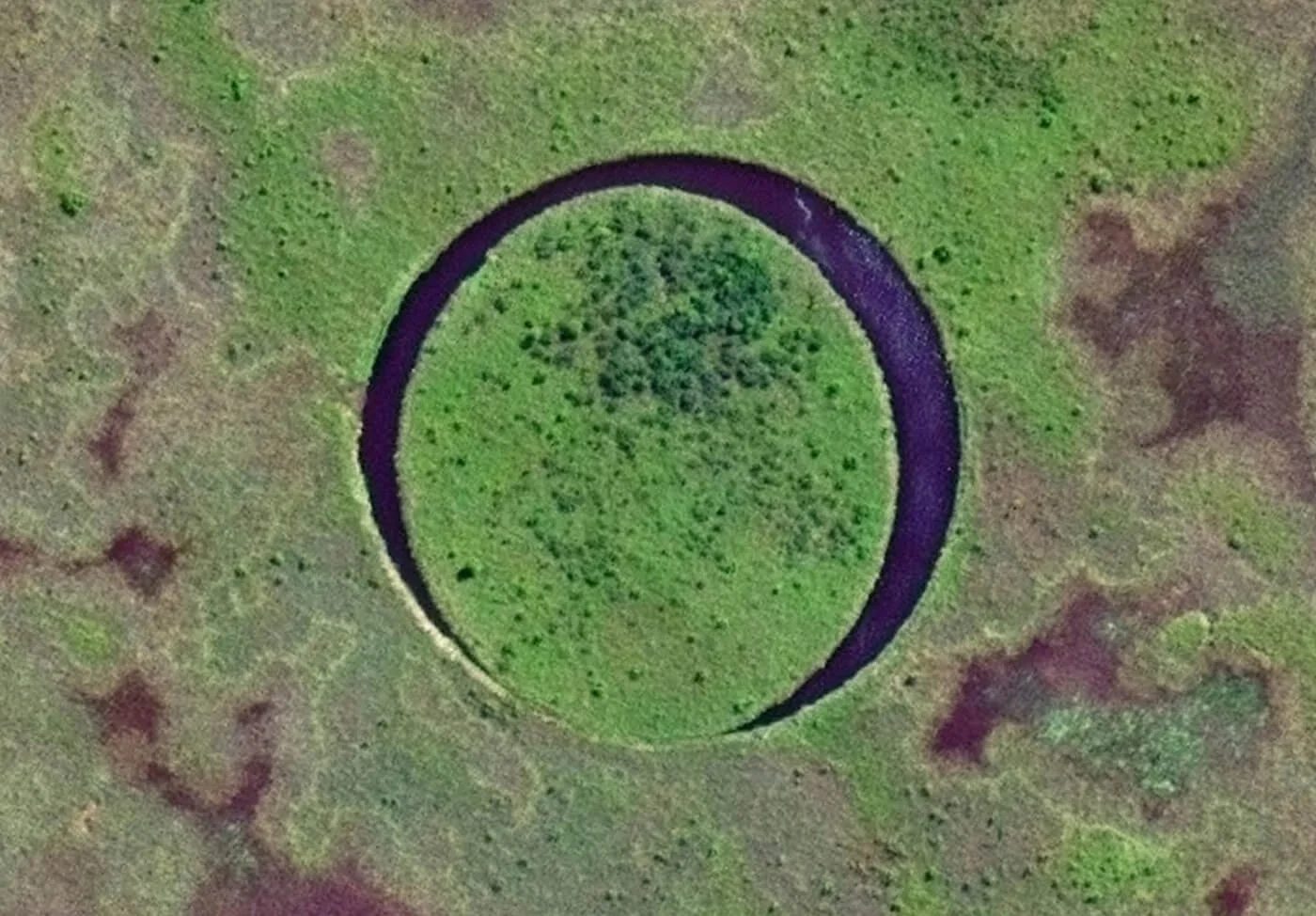
Between Buonos Aires and Campana, in Argentina's Parana river delta, is the small and enigmatic islet known as The Eye. It is a narrow strip of land that is a perfect 120-meter circle, a shape that revolves around itself. It floats in a pool that is entirely unique to the area, floating between the clear and frozen waters. This strange occurrence is so flawless that it almost seems manufactured.

Scientists explain the island's odd rotation around its axis by the existence of massive natural wells that produce streams of water that are capable of moving the island. The rotating eye appears to collide with the surrounding soil, providing it the necessary impetus, causing the muddy area to separate and erode. The rotation's scientific basis is disputed by others, who assert that it is a'supernatural' occurrence connected to extraterrestrial life rather than a natural phenomena.

The Argentine director Sergio Neuspiller found The Eye while looking for a location to shoot a movie on the paranormal. The location provided the ideal backdrop right away, but when the director went back to evaluate it, he realized that the island had moved. As a result, he made the decision to dig deeper and forgo the film in favor of a scientific documentary. By entering "El Ojo" at these coordinates: 34 ° 15'07.8? S 58 ° 49'47.4? W, the phenomena can be seen in Google Earth satellite photographs taken at various periods.

Source: https://mybestplace.com/en/article/the-eye...

Oldest Bat Skeletons Help Identify New Extinct Bat Species

For many years, researchers have been finding early Eocene bat fossils in Wyoming's Green River Formation, a well-known fossil site. Generally speaking, it was believed that the fossils represented just two species, the first of which was recognized and given a name in 1966.

Photo of a newly described bat skeleton representing Icaronycteris gunnelli. This specimen is the holotype, the name-bearing representative of a new species, and is in the American Museum of Natural History’s research collections.

Nancy Simmons, a museum curator who contributed to the 2008 description of the second species, had her concerns. She explains, "I always thought there must be even more species there."

So did scientists at the Naturalis Biodiversity Center in Leiden, Netherlands, who just started looking more closely at the bat species called Icaronycteris index that had been described in 1966.

Tim Rietbergen, an evolutionary biologist at Naturalis, started taking measurements and other information from museum specimens after wondering why so many bats that have been identified as Icaronycteris index had been collected by paleontologists.

Reitbergen's involvement with the Museum led to him learning about a new skeleton, an unusually well-preserved fossil that had been acquired by the Museum in 2017 from a private collector.

When compared to the other fossils in Rietbergen's dataset, it became clear that the 2017 specimen belonged to a distinct species. It was also determined that a second fossil skeleton found in the same quarry in 1994 and now housed in the Royal Ontario Museum's collections belonged to the same new species, which was given the name Icaronycteris gunnelli in memory of the late naturalist Gregg Gunnell. Today, the journal PLOS One released a research describing the new species.

The two I. gunnelli fossils are the oldest bat skeletons ever discovered, dating back 52 million years, although there are somewhat older fossilized bat teeth from Asia.

Source: https://www.amnh.org/explore/news-blogs/re...

Scientists clone an endangered horse using DNA that is 40 years old

Wild horses who are highly endangered have recently received some fresh blood.

Kurt, a clone whose DNA was cryogenically stored 40 years ago, is ready to provide his species' limited population with a much-needed dose of genetic variation.

How Important Is Genetic Diversity?

The stocky Przewalski's horse, sometimes referred to as the takhi, is a type of horse that is indigenous to central Asia. Przewalski's horses were formerly extinct in the wild, but because to conservation efforts, there are currently roughly 2,000 of them in zoos and rebuilt wild populations all over the world.

The fact that all of those horses are decedents of the same 12 wild-born horses, however, puts the species' future in peril and suggests that a lack of genetic variety may be the species' undoing.

A species' ability to create offspring with the qualities needed to survive in a changing environment is essential for its survival. This process is known as natural selection.

Lack of genetic variety raises the likelihood of inbreeding in addition to limiting a species' capacity to adapt to environmental change. As a result, undesirable features may spread among the population, lowering the species' prospects of long-term survival.

Kurt the Replicant Horse

The San Diego Zoo created the first ever frozen zoo (a location where scientists preserve animal genetic material that has been cryogenically frozen) in 1972, and 40 years ago it added the DNA of a male Przewalski's horse named Kuporovic to the collection.

The zoo collaborated with a wildlife conservation organization called Revive & Restore and a company that clones pets and horses called ViaGen Equine to create Kuporovic 2.0, a horse that is also a descendant of the original 12 Przewalski's horses.

The cloned horse, called Kurt after Kurt Benirschke, the creator of San Diego's frozen zoo, was born on August 6, 2020, via surrogate. The foal will eventually join a breeding herd and is said to be content and healthy.

The goal of the initiative, according to Revive & Restore, is for Kurt to successfully mate and add to the genetic variety of his species as well as the advancement of conservation innovation during the next five to ten years as he develops into the first cloned Przewalski's stallion in the world.

Cloning as a Weapon against extinction

Scientists are working to clone other extinct or critically endangered animals in addition to Przewalski's horse. The black-footed ferret, northern white rhinoceros, and even the long-extinct woolly mammoth are all targets of continuing conservation efforts.

Kurt may not be the last time that cloning is used to try to save Przewalski's horse from extinction.

Numerous Przewalski's horses' genetic material is stored in San Diego's frozen zoo, and now that scientists are aware that it is feasible to clone the animals, other clones might follow in Kurt's footsteps, providing the critically endangered species with more genetic diversity.

Source: https://www.freethink.com/science/genetic-...

Sinkhole In Israel Exposes A Mysterious Species Of Ancient Human

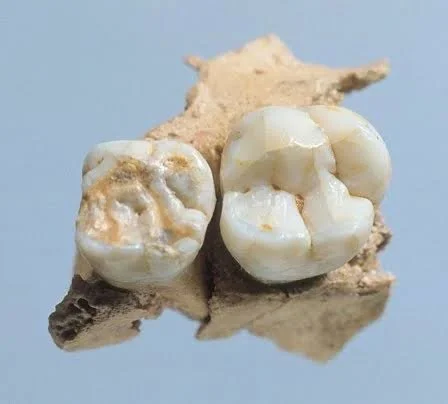
The early history of Mankind remains a mystery to us to this day. Because there are still huge gaps in our understanding when it comes to our ancestors, and how it all began. So when archaeologists in Israel found some ancient bones in the ground, the discovery caused quite a stir. These bones, you see, told a story of our past – of an extraordinary individual from far beyond biblical times.

Unleashing the Hidden Wonders of Ancient Mesopotamia: The Birthplace of Civilization

Mesopotamia, the region between the Tigris and Euphrates rivers in modern-day Iraq, is often called the birthplace of civilization. The Sumerians and Akkadians dominated the area from 3100 BC to 539 BC, followed by the Greeks and Arameans. The region's contributions to human history include the invention of the wheel, the planting of the first cereal crops, and the development of the cursive script, mathematics, astronomy, and agriculture.

Mesopotamia has also been the site of numerous empires and conflicts over the centuries, including the Parthian Empire and Sassanid Persians. Despite being known by various names throughout history, Mesopotamia remains a fascinating and complex region with a rich cultural legacy.

What do you know about the birthplace of civilization? Ancient Mesopotamia is the cradle of human civilization, encompassing modern-day Iraq, Kuwait, and parts of Syria, Turkey, and Iran. The Mesopotamians were the first to develop complex societies and systems, including writing, agriculture, architecture, and mathematics.

Today we will uncover the hidden wonders of this ancient land and its people!

Uncovering Ancient Egypt's Mysterious Daily Life

Ancient Egypt's daily life was complex and mysterious, with a rich history that spans thousands of years. The civilization was known for its impressive architecture, iconic pyramids, and unique art style that served religious, political, and social purposes. Every day, Egyptians had access to funerary art, such as shabti statues and books of the dead, that they believed would protect them in the afterlife.

They also enjoyed various forms of entertainment, including music, dance, and board games. Agriculture played a significant role in ancient Egyptian life, with the Nile River providing a vital water source and fertile cropland. The civilization's intricate religious beliefs and practices were intertwined with daily life, with the pharaoh and his bureaucracy ensuring cooperation and unity among the people.

Unraveling the secrets of Ancient Egypt's daily life is like peeling back layers of a never-ending puzzle. From grand monuments to mundane tasks, the civilization's everyday rituals and customs continue to captivate us.

Today we will dive through time to uncover the mysteries of this enigmatic culture.

The Fall of Mongol Empire: A Comprehensive Study

"The Fall of Mongol Empire" is a historical analysis of the decline of one of the largest empires in history. The video explores the cultural factors that contributed to the empire's downfall, including tolerance and assimilation, cultural fragmentation, and loss of military strength. This informative and engaging video provides valuable insights into the lessons we can learn from the fall of the Mongol Empire.

This Diver Revealed The Truth About What He Encountered While Diving In This Old Lake

This diver revealed the truth about what he encountered while diving in this old lake. Today, we take a look at what this diver encountered in this lake.

For thousands of years, people all across the world have been encountering large humanoids. Interestingly, many of these encounters happen close to bodies of water, but very few people have encountered one of these creatures while under the water. This happened to one individual who shared their experience on social media. As a snorkeling enthusiast, Michael had explored many lakes across the United States. But he had never encountered anything like what he was about to experience.