Cathole Cave on the Gower Peninsula is part of a prehistoric landscape that has produced evidence of human activity extending across immense periods of time.
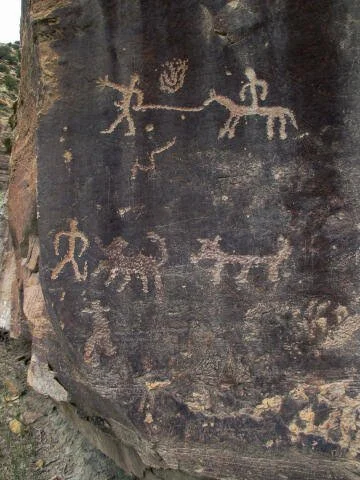
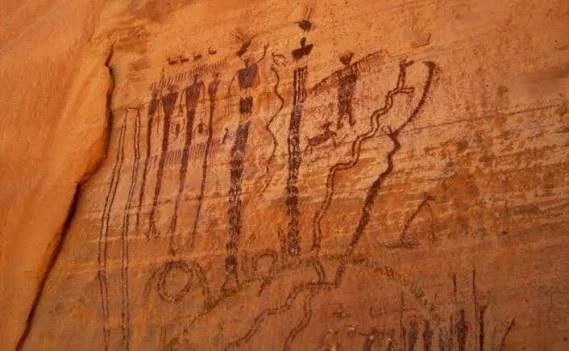
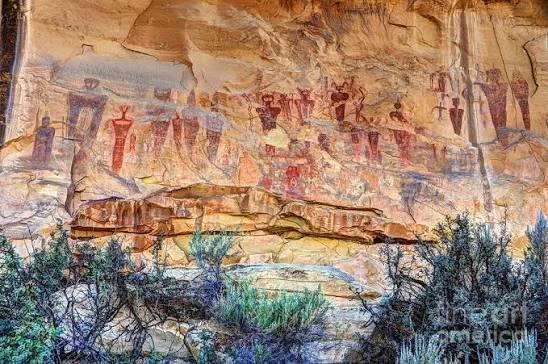
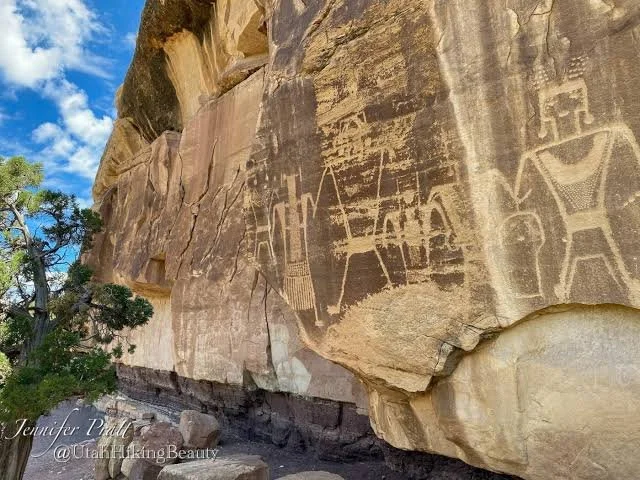
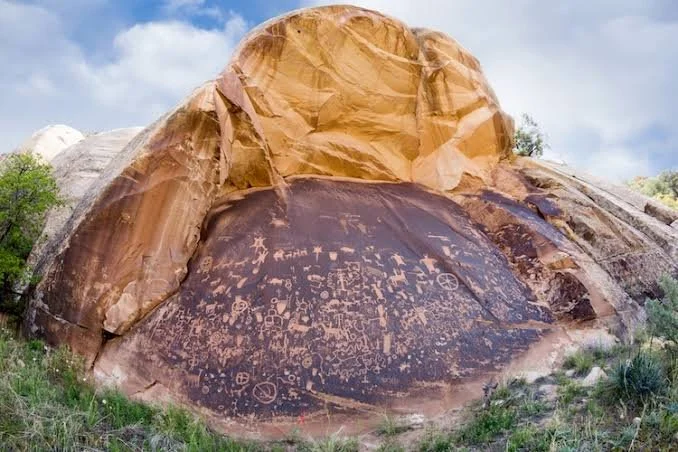
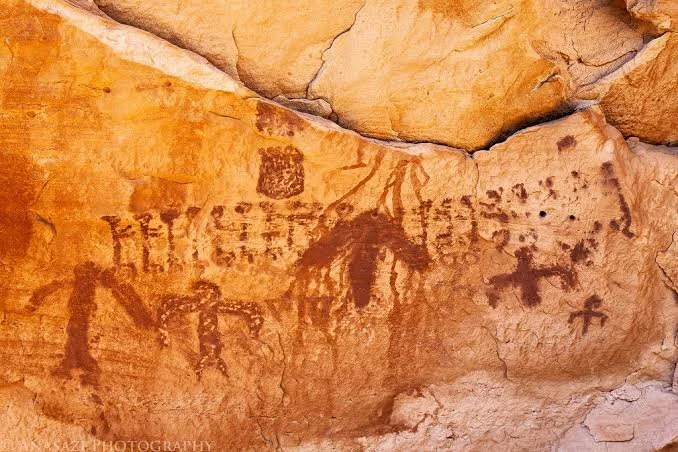
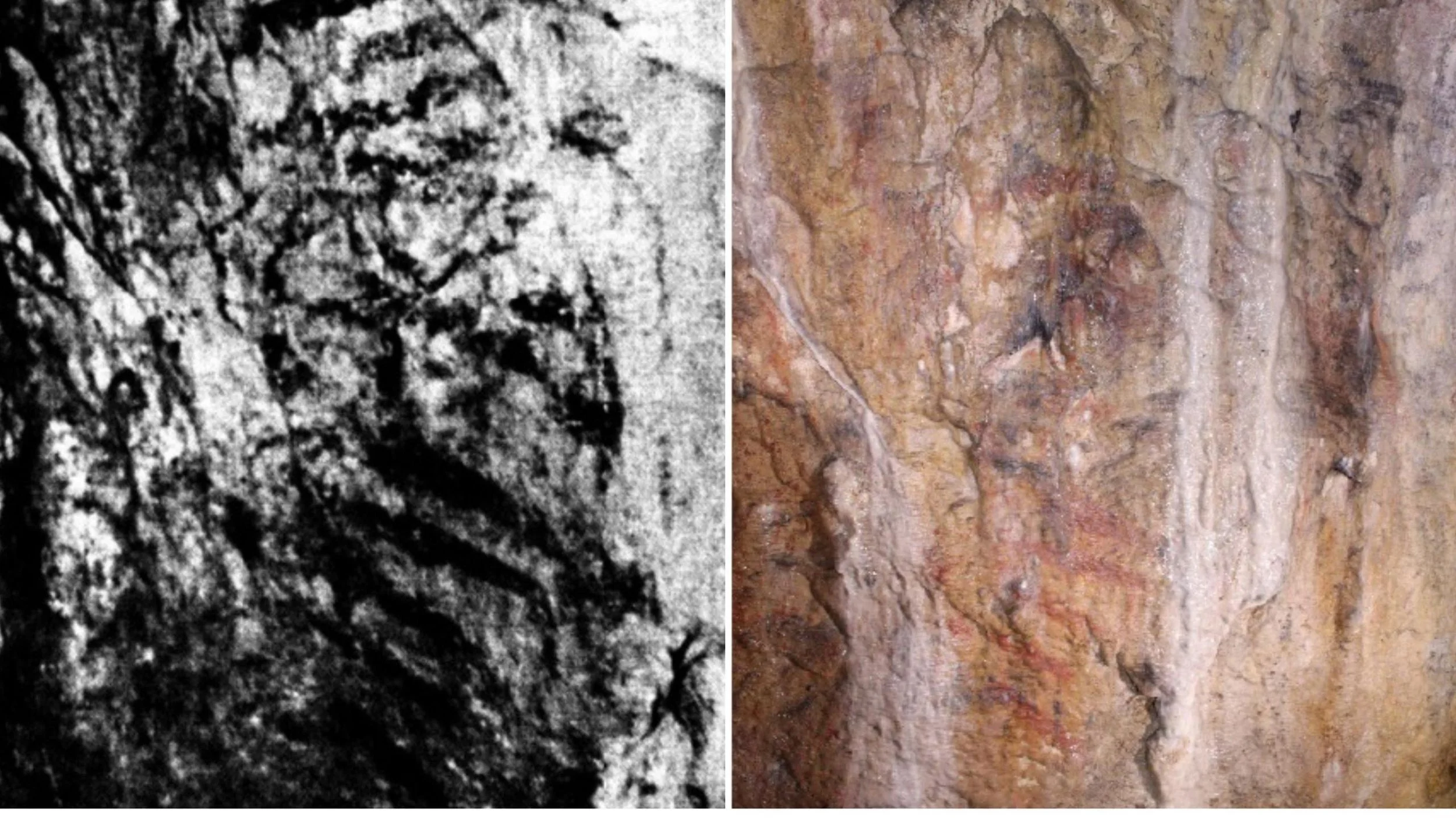
The cave has attracted particular interest because of marks and engravings that have been investigated as possible examples of prehistoric artistic or symbolic expression.
But cave art is notoriously difficult to identify.
A line carved into stone may be ancient.
It may be recent.
It may even be natural.
For this reason, the study of Cathole Cave requires caution.
The mystery is not simply what the engravings mean.
The first question is whether every mark identified as potentially prehistoric can be securely assigned to a particular period.
The Archaeological Landscape of Gower
The Gower Peninsula contains several important prehistoric caves.
Paviland and Goat's Hole demonstrate that the region was visited by Upper Paleolithic humans tens of thousands of years ago.
Other caves and sites provide evidence for later prehistoric activity.
Cathole Cave therefore belongs to a wider landscape repeatedly used by different human populations.
How Can Archaeologists Identify Cave Art?
Researchers do not simply look at a mark and decide that it is ancient.
They examine:
Groove shape
Tool marks
Surface weathering
Mineral deposits
Superimposition
Microscopic characteristics
Archaeological context
Comparisons with other known examples
Scientific methods can help distinguish deliberate engravings from natural scratches or recent damage.
However, direct dating remains difficult.
The Problem of Dating
A stone engraving does not contain organic material that can automatically be radiocarbon dated.
Researchers may instead date associated deposits.
They may examine mineral layers that formed before or after the engraving.
They may compare the style and technique with securely dated examples elsewhere.
This means that claims about prehistoric cave art often involve degrees of confidence rather than absolute certainty.
Art Beyond Pictures
Modern people often expect prehistoric art to depict recognizable animals.
But symbolic expression can take many forms.
A deliberate series of lines may have represented:
A geometric pattern
A symbol
A counting system
A personal mark
A ritual design
Something that no modern observer can understand
The inability to recognize a symbol does not mean that it was meaningless.
The Mesolithic Question
If engravings or activity at Cathole Cave are associated with Mesolithic hunter-gatherers, they belong to a period of dramatic environmental transformation.
The Ice Age was ending.
Forests expanded.
Sea levels rose.
Human communities adapted.
Mesolithic people continued to create meaningful objects and interact with landscapes in culturally significant ways.
However, claims about exact dating should always reflect the strength of the available archaeological evidence.
Caves as Cultural Places
A cave is not necessarily important only because it provides shelter.
Caves can become:
Landmarks
Meeting places
Ritual locations
Places associated with memory
Locations for artistic activity
Burial sites
The repeated use of caves across prehistoric Wales suggests that they formed part of cultural landscapes.
People remembered them.
They returned.
They may have attached stories or meanings to them.
Why a Single Engraving Can Matter
A small carving can demonstrate that prehistoric humans were doing more than meeting immediate physical needs.
Creating a mark requires intention.
It may represent communication.
It may preserve memory.
It may transform a natural surface into a cultural object.
This is why potential prehistoric engravings receive serious archaeological attention.
The Limits of Interpretation
Even when archaeologists establish that a mark is ancient and deliberate, its meaning may remain impossible to recover.
The original artist did not leave a written explanation.
Their language is lost.
Their cultural system may have disappeared completely.
Archaeology can preserve action without preserving intention.
This is one of the central challenges of prehistoric research.
The Lasting Mystery of Cathole Cave
Cathole Cave represents the power and limitation of archaeology.
Scientists can examine the rock.
They can analyze microscopic grooves.
They can study associated artifacts and sediments.
They can compare the marks with other prehistoric traditions.
Yet the final meaning may remain hidden.
Perhaps that is why prehistoric cave art is so compelling.
A human hand may have touched the stone thousands of years ago.
That person made a mark for a reason.
The cave preserved the physical evidence.
But the reason itself may have vanished.
And in that silence, Cathole Cave continues to ask the same question of every visitor:
What did the person who made this mark want the future to remember?