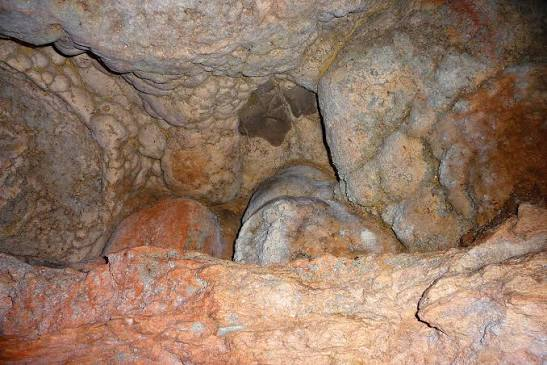
Long Hole Cave is one of the important prehistoric cave sites of Wales and forms part of the rich archaeological landscape of the Gower Peninsula. Like several other caves in this region, Long Hole preserves evidence of human activity dating back to the Paleolithic, or Old Stone Age. Among the most significant forms of evidence associated with prehistoric occupation are traces of fire, including hearths and burnt materials.
Although a hearth may appear to be a simple archaeological feature, evidence of controlled fire can reveal a remarkable amount about prehistoric life. Fire provided warmth, light, protection, and a means of preparing food. It could also create a social center around which people gathered, worked, rested, and interacted.
The evidence from sites such as Long Hole Cave therefore contributes to a broader understanding of how prehistoric communities occupied caves and adapted to the changing environments of Ice Age Britain.
The Archaeological Importance of Long Hole Cave
The caves of the Gower Peninsula have long attracted archaeological attention because they preserve evidence from different periods of prehistory. Their limestone formations created protected spaces where sediments, bones, stone tools, and other traces of human activity could survive.
Long Hole Cave is part of this wider archaeological landscape. Rather than being understood in isolation, it is useful to view the cave alongside other prehistoric sites in Wales that document the long relationship between humans and the region.
During the Paleolithic, Britain was repeatedly affected by major climatic changes. At certain times, human populations could enter the region from continental Europe, while at other times colder conditions or changing geography made occupation more difficult.
As a result, evidence of prehistoric activity in British caves often represents episodes of occupation separated by long periods.
What Is a Prehistoric Hearth?
A hearth is an area where fire was deliberately created and controlled. In archaeological contexts, the original flames have long disappeared, but their physical traces may remain.
Archaeologists can identify possible hearths through evidence such as:
concentrations of charcoal,
ash deposits,
reddened or heat-altered sediments,
burnt stone,
burnt animal bone,
and patterns showing that materials were repeatedly exposed to high temperatures.
The interpretation of ancient fire features requires careful analysis. Not every burnt area necessarily represents a deliberately constructed hearth. Natural fires, disturbed sediments, and later activity can complicate the archaeological record.
For this reason, researchers examine the location, composition, and surrounding context of possible fire features before determining how they were created.
Why Fire Was Essential to Paleolithic Life
For Paleolithic communities, fire was one of the most important technologies available.
In the cold environments associated with parts of the Ice Age, fire provided warmth and could make caves or sheltered locations more comfortable for occupation.
It also provided light.
Without artificial lighting, the deeper sections of caves would have been completely dark. Fire therefore extended the range of activities that could take place in sheltered environments.
Fire also allowed people to cook food. Cooking could make meat easier to chew and digest and may have helped reduce some biological risks associated with consuming raw food.
Other possible uses of fire included:
processing animal materials,
hardening or modifying wooden objects,
providing protection from some predators,
producing smoke,
and creating a gathering place for social interaction.
The control of fire was therefore not simply a matter of survival. It influenced the organization of prehistoric daily life.
Hearths as Centers of Social Life
A hearth can reveal more than technological skill.
Fire naturally creates a focal point.
People may gather around it to eat, repair tools, process animal remains, prepare materials, or share information.
For prehistoric communities without permanent houses, a repeatedly used fire location could help organize the temporary living space.
Archaeologists sometimes examine the distribution of artifacts around hearths to understand activity areas. For example, concentrations of stone flakes may indicate tool production, while animal bones may reveal food processing.
Although the exact social activities that occurred around the Paleolithic hearths of Long Hole Cave cannot be directly observed, the presence of controlled fire provides evidence of organized occupation.
Life in Paleolithic Wales
The people who used caves in prehistoric Wales lived in environments very different from those seen today.
During colder periods of the Pleistocene, large parts of northwestern Europe experienced conditions associated with the Ice Age.
Depending on the particular period, the landscape could support animals such as:
reindeer,
horses,
mammoths,
bison,
deer,
and large predators.
Human populations living in these environments depended on detailed knowledge of their surroundings.
They needed to understand:
where animals moved,
which areas provided useful stone,
where shelter was available,
how seasons affected resources,
and how changing weather influenced survival.
Caves such as Long Hole could provide temporary shelter within this broader landscape.
Stone Tools and Fire
Paleolithic sites are often identified through stone tools and the debris created during their production.
A prehistoric toolmaker could strike a prepared stone core to remove sharp flakes. These flakes could then be used directly or modified into specialized tools.
Stone implements were important for:
cutting meat,
processing hides,
working wood,
and preparing other materials.
The association of stone tools with hearth areas can help archaeologists reconstruct activity zones.
A group may have gathered around a fire while repairing or producing tools. Alternatively, tools may have been used to butcher animals before meat was cooked nearby.
Every artifact gains additional meaning when studied within its archaeological context.
Animal Bones and Evidence of Food Preparation
Animal remains found in prehistoric caves can provide important clues about human behavior.
Bones may reveal which animals were available in the surrounding environment. Some bones may also preserve marks associated with butchery or exposure to heat.
Cut marks can indicate the removal of meat or the processing of carcasses.
Burning may suggest that bones were exposed to fire, although archaeologists must determine whether this occurred during cooking, disposal, or later natural processes.
The combination of hearth evidence and animal remains can therefore provide a picture of prehistoric subsistence.
The Challenge of Preserving Hearths
Ancient hearths are fragile archaeological features.
Over thousands of years, sediments can be disturbed by:
water,
animals,
erosion,
later human activity,
excavation,
and geological processes.
Ash may be washed away or chemically altered.
Charcoal may decay.
A hearth that was once clearly visible may survive only as a faint discoloration in the sediment.
This makes careful excavation essential.
Modern archaeologists document the exact location and depth of materials and increasingly use microscopic and chemical methods to identify traces of burning that may not be visible to the naked eye.
Long Hole Cave and the Archaeology of the Gower Peninsula
Long Hole is part of a broader prehistoric landscape that includes several important caves and rock shelters.
The Gower Peninsula has preserved evidence from different stages of human prehistory, including periods associated with Paleolithic hunter-gatherers and later communities.
When studied together, these sites allow archaeologists to investigate broader questions.
These include:
When did humans occupy Wales?
How did Ice Age climate affect settlement?
Which animals were hunted?
How were caves used?
How did prehistoric populations organize temporary living spaces?
A single cave may provide only part of the answer, but a network of archaeological sites can reveal patterns across an entire region.
Why Paleolithic Hearths Matter
The discovery of an ancient hearth provides evidence of something fundamental to human history: the ability to create and maintain a controlled environment.
A fire transforms a dark, cold space.
It provides warmth and light and creates a place where people can gather.
For prehistoric communities, this technological ability helped make challenging environments more habitable.
The hearths associated with Long Hole Cave therefore represent more than traces of ancient burning.
They are evidence of planning, adaptation, and daily life.
Conclusion
Long Hole Cave offers an important glimpse into prehistoric occupation in Wales. Evidence associated with Paleolithic hearths helps archaeologists understand how early human communities used fire within sheltered environments.
These traces connect modern researchers with moments of everyday life that occurred thousands of years ago: fires being maintained, food being prepared, tools being repaired, and groups gathering for warmth and protection.
Although the archaeological record is incomplete and many details of the people who occupied Long Hole remain unknown, the evidence of controlled fire remains a powerful reminder of the technological and social importance of the hearth in human history.