From creepy skulls to weird artifacts left by a forgotten city, here are 10 of the most mysterious archaeological finds that scientists can’t explain. Enjoy!
The Great Pyramid reveals how it was built
The Great Pyramid has evoked many theories about its construction. With the advent of drone photography, we get a closer look at the summit and can see amazing evidence for the methods used by builders to get megalithic blocks all the way to the top.
There is an opportunity for you to make the discovery for yourself! Watch and listen to the clues and see if you can figure it out before the reveal.
What's with the lone dark stone that stands out from the yellow limestone? Is it a different composition or was there granite used at the very top?
Do you miss the metal scaffolding that used to mark the original apex or does Khufu's pyramid look better without it?
Top 10 Treasures Of Pompeii
In this historical documentary, Bettany Hughes gives her top 10 Pompeii treasures and must-see places in the ancient Italian city. Check out the Top 10 Treasures Of Pompeii and see what is in our list from left in Pompei after the eruption of Mount Vesuvius in 79AD!
Mysterious & Bizarre Discoveries
In the following video we will be exploring mysterious and bizarre discoveries. Watch the video to find out more!
The Incredible 40,000-Year-Old Denisovan Stone Bracelet
In 2008, the world’s oldest stone bracelet was discovered, the handiwork of a now-extinct species or population of humans called the Denisovans.
This incredible object was dated to between 40,000 and 50,000 years old, and was found in Stratum 11 of the world famous Denisova cave in the Altai region of Siberia and it is truly one of a kind, showing technical skills in fine stonework, long before we ever thought possible.
Whoever its wearer and whatever its importance, it is a find that fundamentally changed our views of the Denisovans, showing us they were far more advanced than we ever thought possible.
Watch this video to learn more about this incredibly rare and incredibly ancient discovery and find out why it should make us rethink the origins of human ingenuity.
What If the Neanderthals Had Not Gone Extinct?
Neanderthal DNA is 99.7% identical to our own, and researchers claim that some humans might be carrying as much as 2% of the Neanderthal genome. Making things even weirder is that scientists recently recovered a nearly complete DNA sequence from a 50,000-year-old Neanderthal skeleton.
So in theory, Neanderthals could make a comeback. But how would they adapt? And how long would they survive?
Most Impressive Ancient Mosaics Around The World
Since ancient times, mosaics have been used as one of the most prestigious decorative techniques. From ancient Roman floors to modern public art installations, mosaic art has remained a popular medium for artists and designers alike. Mosaics help us to create a connection with the ancient world.
Here are some of the most impressive ancient mosaics unearthed from many parts of the world. Enjoy!
Graham Hancock - People Don't Know about Minoan Civilization That Changed The World
Graham Hancock, has proposed the idea that Minoan Civilization, an advanced society could have thrived in ancient times but disappeared from historical records due to a devastating catastrophe. According to his theory, this vanished civilization might have possessed extraordinary knowledge and technology that surpasses conventional understanding.
Archaeological sites at risk from coastal erosion on the Cyrenaican coast, Libya!
The study identifies increasing rates of erosion, urges the need for mitigation plans. A study published in the open-access journal PLOS ONE, reveals that escalating coastal erosion poses a threat to the preservation of archaeological sites located along the Libyan shoreline.
Eastern Libya’s Cyrenaican coast, spanning from the Gulf of Sirte to the current border between Libya and Egypt, boasts a rich history of human habitation dating back to the Palaeolithic era. As a result, it is home to a multitude of significant archaeological sites, many of which have yet to be thoroughly studied.
When Archaeologists Dug In Flanders Fields, They Made A Sobering Discovery Beneath The Soil
Archeologists are digging preliminary trenches at a site called Hill 80, close to a Belgian village called Wijtschate. It was the scene of ferocious fighting in World War One – indeed, this piece of land atop the Messines Ridge changed hands no fewer than four times during that conflict. As the researchers cautiously probe the earth, it’s soon clear that they’re at an exceptionally well-preserved WWI site. But they also uncover sobering evidence of the war’s stark brutality.
The Most Mysterious Ancient Places
In the video below we will be exploring the most mysterious ancient places. Watch the video to find out more!
Unveiling a Hidden Aztec World Through an Excavated Temple | Secrets of the Ancients Found
Mexico's rich history spans an impressive 20,000 years, encompassing diverse cultures that thrived even before the Aztecs. Among these pre-Aztec civilizations were Teotihuacan, Monte Alban, Palenque, and Tajin. The Aztec Temple, known as Templo Mayor, stands as a defining archaeological site that provides insights into the Aztec empire's civilization. During an excavation, a remarkable sight greeted the astonished archaeologists: an open gateway leading to a long-forgotten world. The discovery simultaneously fascinated and filled them with trepidation. In today's episode of our channel, dedicated to unraveling the secrets of ancient archaeological findings, we delve into the formation of the Aztec civilization, their cultural practices, the captivating discovery of Templo Mayor, and much more. Prepare to embark on a journey of uncovering the enigmatic gateway to a lost world within the remnants of an Aztec temple.
The Theopetra Cave and the Oldest Human Construction in the World
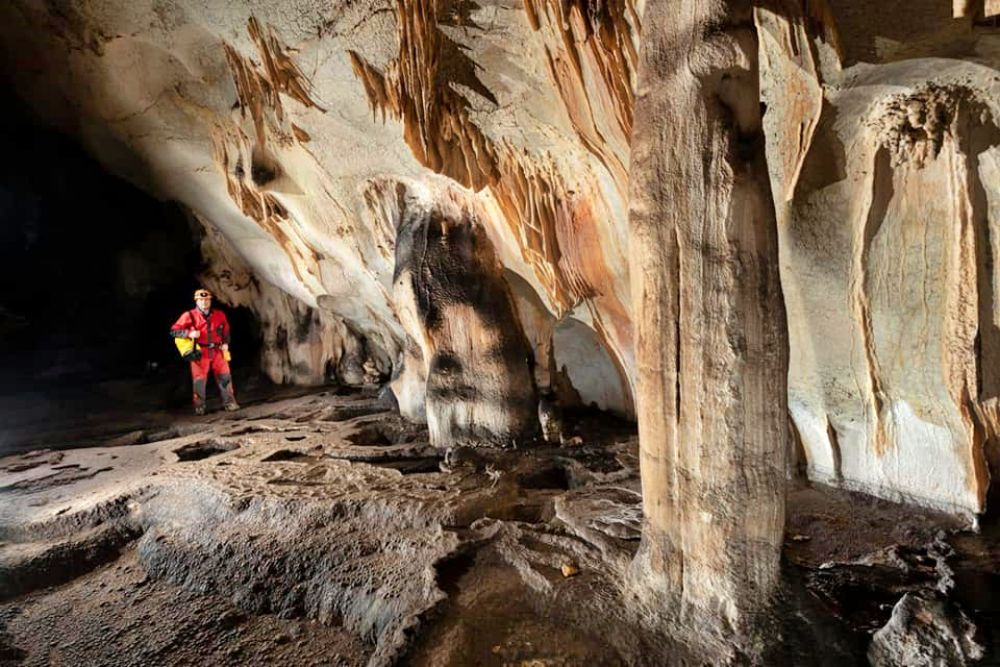
Archaeological research has shown that the Theopetra Cave was inhabited intermittently for several millennia. The earliest evidence of human occupation dates back to the Middle Paleolithic period, around 130,000 years ago. During this time, Neanderthals, our closest extinct human relatives, roamed Europe, and it's believed they were the cave's first inhabitants.
The Discovery of ‘The Tomb of Osiris’ in Egypt: January 1st, 1898
The year is 1898 and we’re at Umm El Qa’ab in Abydos where Emile Amélineau is leading an important excavation. At this time, knowledge on the history and culture of Ancient Egypt is limited but growing, with so many important sites still yet to be excavated.
But an incredible find seemingly spoke for itself and French archaeologist Emile Amélineau believed he had discovered the true tomb of Osiris. He published his findings in 1899, in a book titled: “The Tomb of Osiris” and it seemed he had the physical evidence to back up his claims.
But did he? What happened to this exciting discovery and why is it not more known about today? Watch this video to learn about the fascinating story of discovery.
Historic New Archaeological Discovery - Homo Naledi Was Highly Intelligent
Archaeologists Lee Berger said in an interview that it is "possible" that humans and Homo Naledi interacted. Homo Naledi, a new species of Homo fossil that was discovered in South Africa in 2014, is currently the most mysterious Homo fossil yet discovered.
In this video, we'll explore the possible implications of Berger's statement and ask whether it is even possible for humans and Homo Naledi to have interacted. We'll also ask whether Berger's findings change our understanding of the evolution of Homo.
If you're wondering whether or not humans and Homo Naledi interacted, then this is the video for you. Lee Berger, discusses the possibility in this fascinating video. He explains how the discovery of Homo Naledi could change our understanding of human evolution. So be sure to watch and decide for yourself!
Experts Found Evidence That Suggests The Tomb Of Jesus Christ Is Much Older Than Anybody Believed
The New Testament and Christian tradition tell us that Jesus of Nazareth was crucified by the Romans in the year 30 or 33, some 20 centuries ago. According to the Gospel of Luke, his body was put in a tomb that was guarded by a Roman soldier. Jesus was then resurrected and ascended to heaven. What has intrigued the Christians ever since is the question of exactly where Christ’s tomb is located.
12 Most Mysterious Archaeological Finds
In today’s video we will be exploring the 12 most mysterious archaeological finds. Watch the video below for more!
Archaeological Discoveries: 30,000 year old freshwater and seashells discovered in Spain
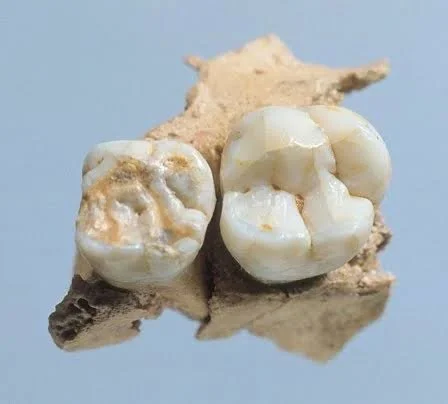
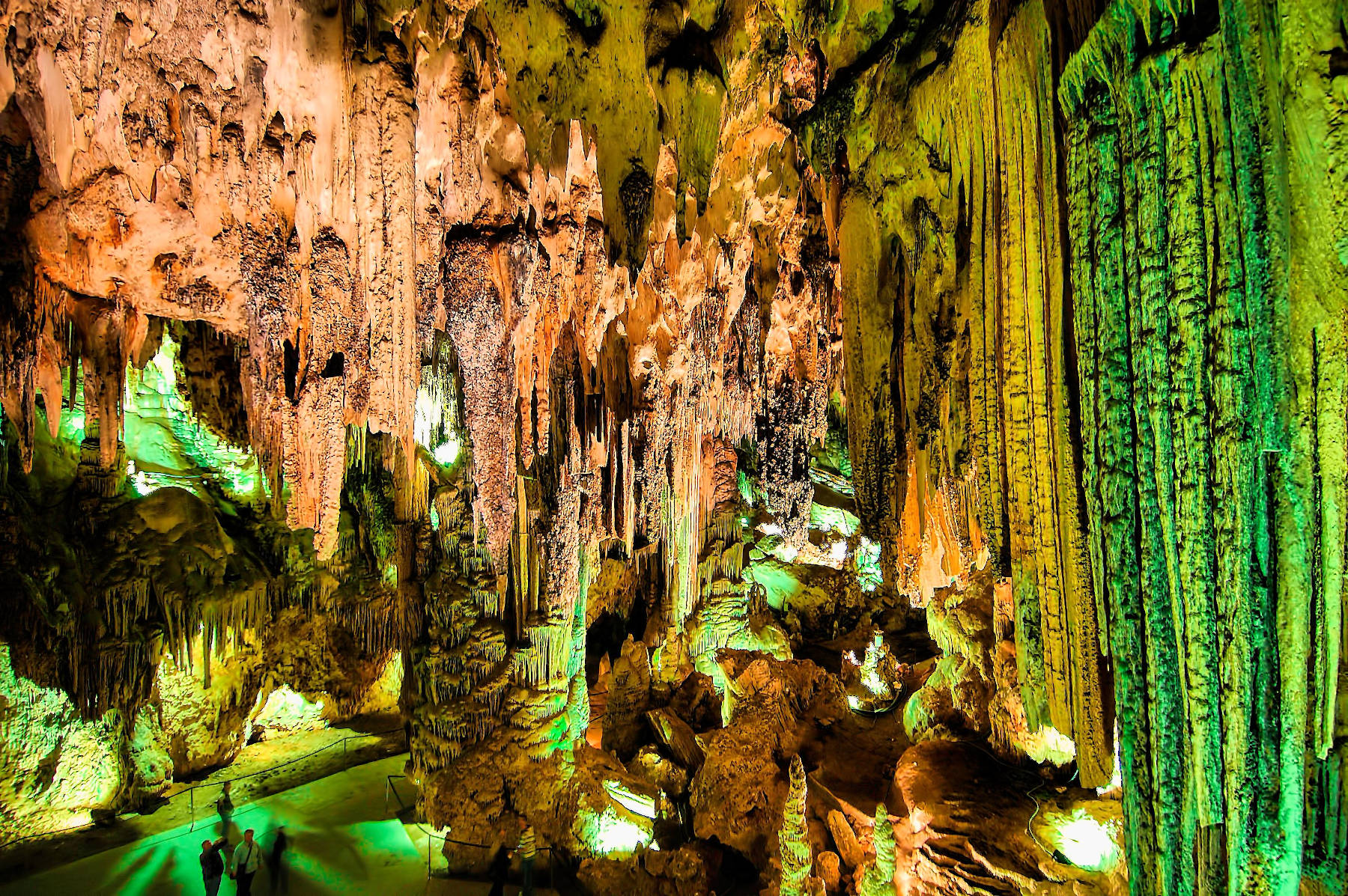
In Malaga’s Cueva de Ardales, up to 13 freshwater and marine shells that were carefully transformed by humans between 25,000 and 30,000 years ago have been discovered.
According to a study published in the environmental scientific journal Environmental Archaeology, the first Homo sapiens wore necklaces and earrings made from seashells from the Bay of Malaga.
This incredible discovery was the result of research conducted in collaboration with the Neanderthal Museum of Colonia, the University of Colonia, and the Cueva de Ardales, according to a press release from the University of Cadiz.
This archaeological enclave is now once more among the most significant in the Iberian Peninsula thanks to the discovery. When it comes to the Paleolithic era, body adornments are a subject of great interest to the scientific community.
According to the scientific article, the shells were “carefully transformed” by humans of the genus Homo sapiens into ornaments and pendants to decorate the bodies of these groups that occupied the Ardales Cave.
Historians Unearthed Evidence That Could Prove The Existence Of The Real King Arthur
The dramatic ruins of Tintagel Castle sit atop craggy hills with waves crashing against steep cliffs. Dating from the 13th century, the fortress is located in the far south-west of England in the county of Cornwall. It’s a fascinating remnant from the Middle Ages. But it also looms large in the British imagination as the dramatic site of the legendary King Arthur’s life and times, the monarch who presided over the Knights of the Round Table.
Human Origins - Documentary
In today’s documentary we will be explaining the human origins. Watch the video below and enjoy!