The Insane Logistics of a Roman Army on the March - 24 Hour Simulation 3D DOCUMENTARY

Unraveling the Intricate Logistics of the Roman Army

The Roman Empire is renowned for its military prowess and conquests, but behind the grandeur of their legions lies a complex web of logistical challenges. In a captivating 3D documentary titled "The Insane Logistics of a Roman Army on the March," we gain insight into the meticulous planning and coordination required for a 24-hour march of 50,000 Roman soldiers.

This immersive experience not only showcases the impressive mobility and endurance of the Roman army but also highlights the indispensable role of logistics in their success.

The documentary opens by emphasizing the formidable logistical challenges faced by Roman armies. The 24-hour march simulation vividly illustrates the need for strategic coordination when managing a colossal force like the Roman legions.

Acknowledging the inherent limitations in reconstructing the Roman Army, the video credits various authors and sources. It reveals a critical piece of information: the maximum distance an army can cover in a day is approximately 65 km at a regular pace and 75 km at a quick pace. These figures are based on meticulous calculations and a daylight chart for a Mediterranean latitude during campaign seasons.

Roman armies on the move had to meticulously plan logistics and employ innovative strategies. They would divide into smaller groups to handle various tasks efficiently. This approach aimed to avoid traffic jams and optimize their time on the march.

The documentary then unfolds the march of the Roman Army, spanning an astonishing 25 km. The army commences its journey in the pre-dawn hours, with reconnaissance forces and a vanguard prepared to surmount any obstacles that lie ahead.

The Roman army is a well-oiled machine with a highly organized formation. While support staff and gear remain behind, infantry and cavalry extend in a long column. The baggage train, though crucial, could potentially cause delays.

The Roman Army on the march is a massive operation that extends 25 km. It comprises various specialized groups, including the Rear Guard and Flank Guard, tasked with protecting the army and its precious baggage train. Although the planned distance is 20 km, it would take a marathon runner a staggering 1 hour and 12 minutes to cover the entire length.

The documentary highlights the efficiency of the Roman army in setting up camp, foraging for supplies, completing chores, and marching toward their objective. This underlines the monumental importance of logistics and road-building in ancient Rome.

As we delve into the intricacies of the Roman Army's logistics through this 3D documentary, we gain a profound appreciation for the meticulous planning and coordination that underpinned their military successes. From the sprawling march formations to the careful orchestration of support staff, every aspect of logistics played a crucial role in the Roman Empire's dominance. This immersive experience provides a window into the awe-inspiring capabilities of one of history's most formidable military forces, reminding us of the critical role logistics plays in any great endeavor.

Exclusive: Rare Footage from the Pyramid of Menkaure: A Complete Walkthrough

The Pyramid of Menkaure is one of the most remarkable structures in the world, offering insights into the ancient civilization of Egypt. Located on the Giza Plateau in Cairo, this pyramid is the smallest of the three main pyramids in the Giza pyramid complex. Let's delve into the history, construction, and mysteries surrounding this ancient wonder.

Menkaure's pyramid was constructed during the Fourth Dynasty of Egypt, around 2510 BC. It originally stood at an impressive height of 65.5 meters (215 feet), though today it measures 61 meters (200 feet) tall with a base of 108.5 meters (356 feet). The pyramid was built using limestone and Aswan granite, with the lower part composed of red granite and the upper portion encased in Tura limestone. The methods employed in its construction have provided archaeologists with valuable insights into ancient pyramid-building techniques.

Although the exact date of Menkaure's reign remains uncertain, it is believed that his pyramid was completed in the 26th century BC. The pyramid is situated a short distance southwest of its more renowned neighbors, the Pyramid of Khafre and the Great Pyramid of Khufu, in the Giza necropolis.

Inside Menkaure's pyramid, explorers found intriguing artifacts. In the upper antechamber, a wooden anthropoid coffin inscribed with Menkaure's name and containing human bones was discovered. Radiocarbon dating revealed that the bones were less than 2,000 years old, suggesting possible mishandling of remains from another location or access to the pyramid during Roman times. Additionally, a basalt sarcophagus found deeper within the pyramid contained the remains of a young woman but was tragically lost at sea in the 19th century.

The Pyramid of Menkaure is part of a larger complex that includes a mortuary temple and a valley temple. These structures, made primarily of limestone, were adorned with granite facings and weighed several tons. It is believed that Menkaure's successor, Shepseskaf, completed the temple's construction. Historical records and stelae from the Sixth Dynasty suggest that a cult for Menkaure was maintained for centuries after his death.

South of Menkaure's pyramid stand three smaller pyramids, designated G3-a, G3-b, and G3-c, each accompanied by temples and substructures. These structures were likely intended as tombs for the queens of Menkaure and possibly his half-sisters. The largest of these pyramids, G3-a, features granite casing similar to the main pyramid, sparking debates about its purpose and usage.

In AD 1196, Al-Aziz Uthman, the Sultan of Egypt and son of Saladin, attempted to demolish the pyramids, starting with Menkaure's. However, the endeavor proved far more challenging and expensive than expected, with workmen only managing to leave a significant vertical gash on the pyramid's northern face. The Pyramid of Menkaure stands as a testament to the enduring legacy of ancient Egypt, offering a glimpse into the craftsmanship and culture of a bygone era. Despite centuries of wear and attempted destruction, it remains an awe-inspiring marvel and a testament to the ingenuity of the ancient Egyptians.


In this video, we’ll take us into the Pyramid of Menkaure, which is easier to navigate than the Great Pyramid, Bent Pyramid, and Red Pyramid due to the shorter passages, but still not easy.

The Pyramid of Menkaure may be small in comparison to others, but it’s arguably the most elegant pyramid at Giza, with its granite casing stones, the beautiful paneled chamber, the curved granite roof of the burial chamber, and the interesting layout of passages and chambers. Enjoy!

The Man Who Discovered the Assassination: Hasan Sabbah

Hasan Sabbah, also known as Al-Hassan Ibn-e Sabbah, was an influential figure in the 11th century. He is often associated with founding the secret society known as the Assassinarius, which was known for its political assassinations.

Hasan Sabbah's exploits have earned him a place in popular culture and literature, making him a fascinating and mysterious figure of the Middle Ages. Though there may be differing accounts and interpretations of his life and actions, one common narrative portrays him as a charismatic cult leader and a master manipulator.

The Assassins, as the members of the society were called, were known for their extreme loyalty and devotion to Sabbah. They carried out assassinations of prominent political figures deemed to be enemies of their cause. These killings were often used as a means to instill fear and gain power in a turbulent political landscape.

Despite the controversial nature of their activities, the Assassins managed to thrive for a significant period. They utilized secrecy and stealth as their primary tools, earning a fearsome reputation across the regions where they operated.

There are numerous accounts and legends surrounding Hasan Sabbah and the Assassins, with some stories suggesting that they used mind-altering substances to create an environment conducive to their activities. These tales have only added to the mystique and intrigue surrounding Sabbah and his secret society.

It is worth noting that historical information on Hasan Sabbah and the Assassins can vary, and some narratives may contain exaggerations or misinformation. Therefore, it is interesting to explore different sources to gain a broader understanding of this complex historical figure and his impact on the Middle Ages.


In the annals of history, the concept of assassination has always been shrouded in intrigue and mystery. Join us on a journey back in time as we delve into the origins of assassination and uncover the stories of the first assassins in history!

Archaeologists discover 476,000 year old structure, thought to be oldest known wooden structure ...

Researchers from two UK universities have discovered what they say is the oldest known wooden structure, which they found at the Kalambo Falls, in Zambia, and, at almost 500,000 years old, predates the emergence of Homo sapiens. The archaeologists think the two large logs they found were joined together to make a structure, possibly the foundation of a platform or part of a dwelling. Prof Larry Barham, from the University of Liverpool’s Department of Archaeology, said whoever built this structure “transformed their surroundings to make life easier, even if it was only by making a platform to sit on by the river to do their daily chores. These folks were more like us than we thought.”

The Hidden Ancient History of Venice

Venice had no Roman history, so it imported one. This video - shot on location in St. Mark's Square - explains how. Watch the video for more!

5 Oldest Descriptions of the Pyramids

The pyramids of Egypt, especially the Great Pyramid of Giza, have captivated human imagination and inquiry for thousands of years. Descriptions and accounts regarding the pyramids date back to ancient times, with some of the oldest writings and depictions coming from various periods and cultures. Here are five notable ancient descriptions of the Egyptian pyramids:

1. Herodotus’ Accounts (5th Century BCE)

The Greek historian Herodotus, often referred to as "The Father of History," provided one of the earliest and most cited descriptions of the pyramids in his work "Histories." Herodotus visited Egypt in the 5th century BCE and documented various aspects of Egyptian civilization, including the construction and significance of the pyramids. However, some details in his accounts, especially regarding the methods of pyramid construction, have been subject to skepticism and debate among historians and archaeologists.

2. The Diary of Merer (c. 4,500 years ago)

The Diary of Merer, discovered in the early 2010s, is one of the oldest and most significant artifacts relating directly to the pyramids. Merer, who was an official involved in the construction of the Great Pyramid, kept a log detailing the transportation of limestone from Tura to Giza. The diary provides crucial insights into the labor and logistics that went into building the monumental structure during the reign of Pharaoh Khufu.

3. Manetho’s Aegyptiaca (3rd Century BCE)

Manetho, an Egyptian priest and historian, wrote "Aegyptiaca" in the 3rd century BCE, which included various aspects of Egyptian history and chronology. His work, even though it survives only in fragments and later references, provides vital information about the dynastic lineage of pharaohs and offers some context about the pyramid builders. Manetho’s writings were extensively used by later historians, including those from the Greco-Roman period.

4. Diodorus Siculus’ Bibliotheca Historica (1st Century BCE)

The work of Diodorus Siculus, a Sicilian historian, “Bibliotheca Historica,” contains descriptions and observations about the Egyptian pyramids. Diodorus provides details about the construction, size, and purpose of the pyramids, though his accounts mix facts with prevalent myths and legends of his time.

5. The Pyramid Texts (c. 2400–2300 BCE)

The Pyramid Texts, discovered in the pyramids of kings at Saqqara, are one of the oldest religious texts in the world. These texts, inscribed on the walls of the inner chambers of the pyramids, don't describe the physical structures of the pyramids themselves but offer invaluable insights into the religious beliefs, practices, and rituals of the ancient Egyptians. The texts contain spells and prayers intended to protect and guide the pharaohs in the afterlife, reflecting the essential purpose behind the construction of these magnificent tombs.

Each of these descriptions and texts offers a window into the understanding, perception, and mythology surrounding the Egyptian pyramids through various historical periods. However, it's crucial to note that, due to the age of these documents and the evolving interpretations of historians and archaeologists, our understanding of the pyramids and their history is continuously developing.


In the video below, we will go through the five oldest descriptions of the Pyramids. Enjoy!

99% of Ancient Human Population Wiped Out 900,000 Years Ago

Today, there are over 8 billion humans living on our planet. However, if we had looked at the world between 800,000 and 900,000 years ago, the picture would have been shockingly different. New scientific findings shed new light on our ancestors and point to an important human speciation event. Indeed, Scientists are only now shedding light on a previously unknown period in human evolutionary history. According to a new study, early humans known as 'Homo erectus' nearly went extinct less than 1 million years ago, likely due to extreme ice age conditions.

According to genetic evidence, between 813,000 and 930,000 years ago, modern humans' ancestors experienced a severe bottleneck, losing approximately 98.7% of their breeding population. Remarkably, our forefathers faced extinction due to a severe population bottleneck that lasted for a heck of a bloody long time. In fact, our ancestors' estimated population size was so small, they would almost certainly have gone extinct if not for shear determination and dumb luck.

A study, titled 'Genomic inference of a severe human bottleneck during the Early to Middle Pleistocene transition', demonstrates this fact. The evidence shows that the human population remaining very small, but stable for more than 100,000 years, also fueled the divergence of modern humans, Neanderthals and the so-called Denisovans.

The Barbaric Cutting Open of The Evil Female Murderer

Born in the 1720’s, Elizabeth Brownrigg was part of the working class and she married a man called James Brownrigg when she was just a teenager. James was an apprentice plumber and together they had sixteen children. Sadly, however, only three of these survived past infancy. Elizabeth was a respected midwife and together she and her husband and children moved to fetter lane in London, and made their residence on Flower de Luce Road. James’ career as a plumber was going well and the family were prospering. Elizabeth was renowned as a midwife and as such the local parish of Saint Dunstans appointed her as the matron of sorts or the overseer of the women and children. She was also given the custody of a few female domestic servants and female children from the London Foundling Hospital. This proved to be a fatal mistake and Elizabeth was nothing short of abusive, cruel and sadistic.

The 5 Most Amazing Archaeological Discoveries of 2023

There is no hard and fast guide to what a major archaeological discovery should look like, or how old it needs to be to be considered significant.

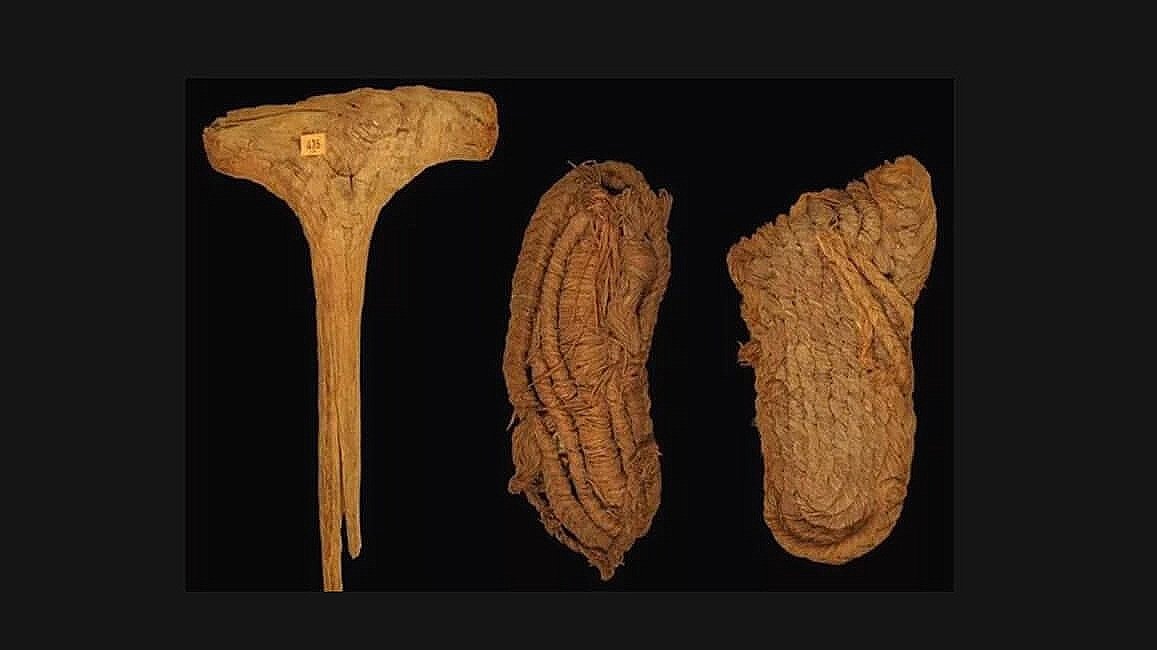
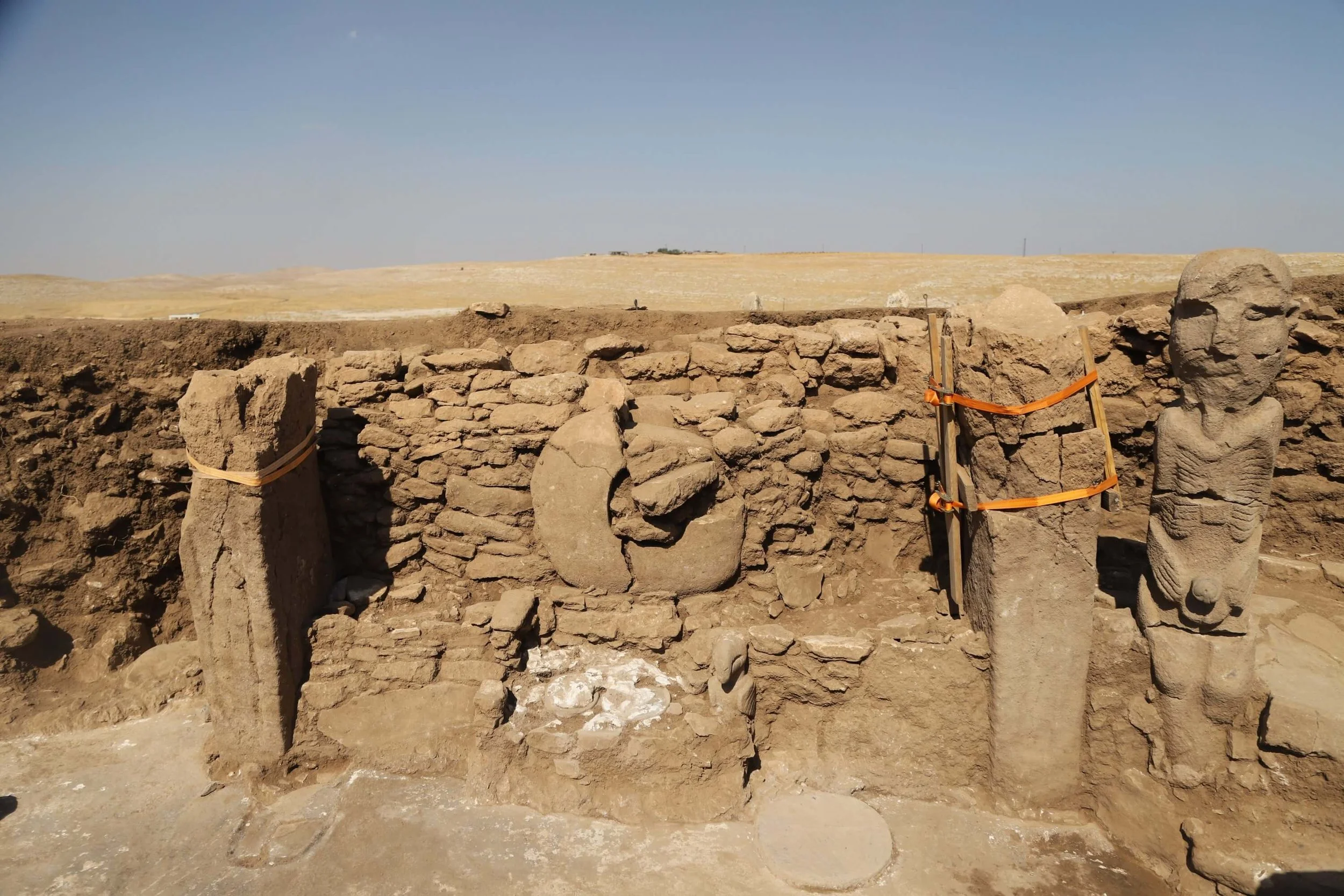
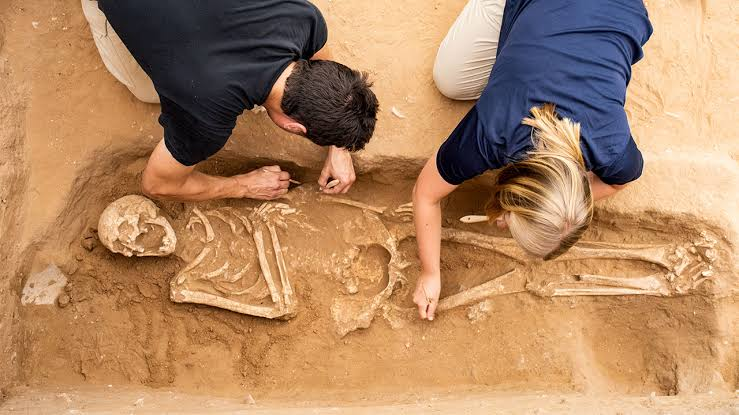
Predicting the future is difficult, but based on our research we have done some research on the archaeological discoveries and stories we might see in 2023. Here we have compiled the latest archaeological discoveries of 2023 for you.

Some of the most valuable archaeological discoveries in the history of the world were small! In this video we will explore archaeological wonders big and small, and we start now. Enjoy your stay!

Mysteries Of Africa. Why Is Africa Splitting Apart?

Тhese lands once became the cradle of humanity. But now, they are among the most dangerous places for human life. Barren deserts give way to luscious nature, but some of nature's dangers are greater than the scorching sun. These lands have some of the richest natural resources yet some of the poorest communities in the world. It's hard to imagine a place that is more controversial than this.

But what do we actually know about this vast and mysterious continent?

Did you know that most people have a distorted perception of Africa's size due to flawed mapping?

Is it true that Africa is set to split in two, and this process has already begun?

Could the largest dormant volcano on the continent wake up?

And what are these peculiar giant structures with precise geometric shapes that one can see from space?

Today, we’ll embark on a journey through Africa trying to see it from a quite unusual perspective.