• MAIN PAGE
  • LATEST NEWS
    • Lost Cities
    • Archaeology's Greatest Finds
    • Underwater Discoveries
    • Greatest Inventions
    • Studies
    • Blog
  • PHILOSOPHY
  • HISTORY
  • RELIGIONS
    • Africa
    • Anatolia
    • Arabian Peninsula
    • Balkan Region
    • China - East Asia
    • Europe
    • Eurasian Steppe
    • Levant
    • Mesopotamia
    • Oceania - SE Asia
    • Pre-Columbian Civilizations of America
    • Iranian Plateau - Central Asia
    • Indus Valley - South Asia
    • Japan
    • The Archaeologist Editor Group
    • Scientific Studies
    • Aegean Prehistory
    • Historical Period
    • Byzantine Middle Ages
    • Predynastic Period
    • Dynastic Period
    • Greco-Roman Egypt
  • Rome
  • PALEONTOLOGY
  • About us
Menu

The Archaeologist

  • MAIN PAGE
  • LATEST NEWS
  • DISCOVERIES
    • Lost Cities
    • Archaeology's Greatest Finds
    • Underwater Discoveries
    • Greatest Inventions
    • Studies
    • Blog
  • PHILOSOPHY
  • HISTORY
  • RELIGIONS
  • World Civilizations
    • Africa
    • Anatolia
    • Arabian Peninsula
    • Balkan Region
    • China - East Asia
    • Europe
    • Eurasian Steppe
    • Levant
    • Mesopotamia
    • Oceania - SE Asia
    • Pre-Columbian Civilizations of America
    • Iranian Plateau - Central Asia
    • Indus Valley - South Asia
    • Japan
    • The Archaeologist Editor Group
    • Scientific Studies
  • GREECE
    • Aegean Prehistory
    • Historical Period
    • Byzantine Middle Ages
  • Egypt
    • Predynastic Period
    • Dynastic Period
    • Greco-Roman Egypt
  • Rome
  • PALEONTOLOGY
  • About us
No results found

Hidden Chambers Discovered in the Pyramid of Sahure

October 9, 2023

During the last week of September, an incredible archaeological discovery was announced, from the Old Kingdom, 5th Dynasty Pyramid of Sahure, which dates back to the 24th to 25th century BC.

Yes, a previously undiscovered corridor and series of rooms or magazines have been found leading off from the eastern side of the pyramid’s antechamber.

This is an amazing discovery, but it was actually first noted by John Shae Perring in the 19th Century. The team excavating and renovated the pyramid, led by Dr. Mohamed Ismail Khaled have now confirmed the findings and the dilapidated area is being carefully excavated, examined and renovated. Watch this video to learn more about this incredible discovery

The Profound Meaning of Plato's Allegory of the Cave

October 9, 2023

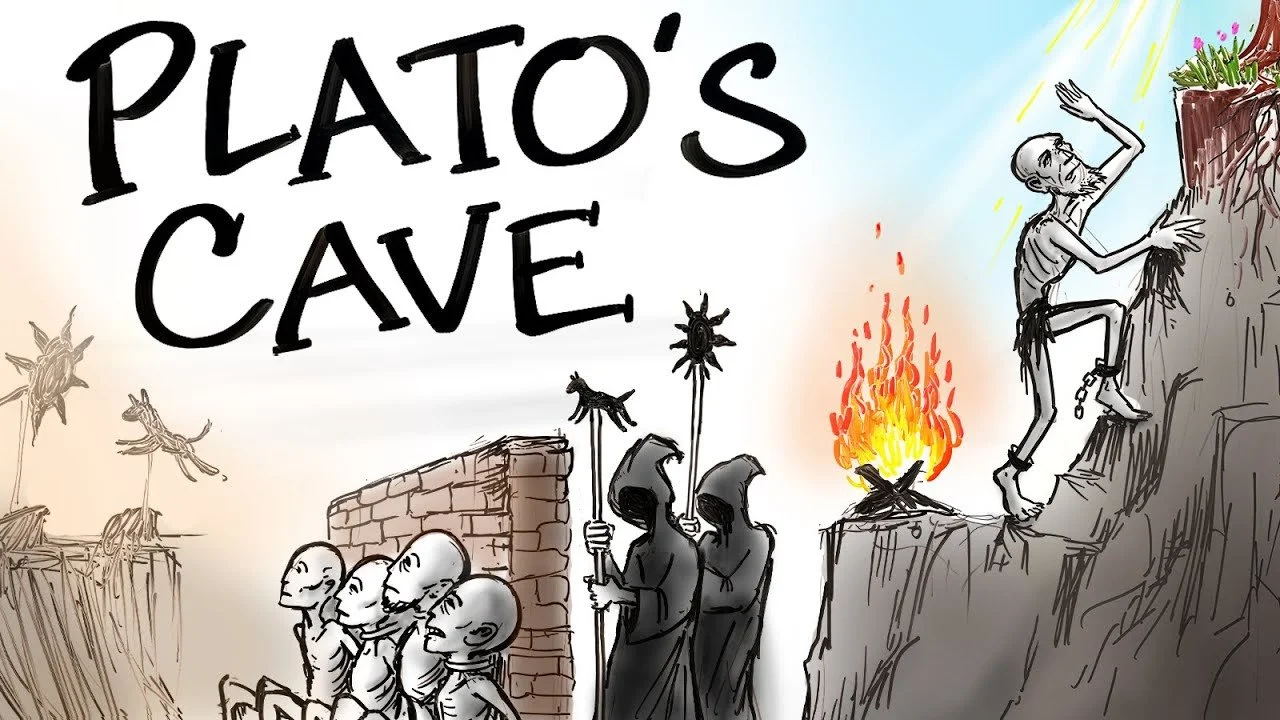
In this video we explore Plato’s "Allegory of the Cave", its connection to ancient myths, and the ultimate narrative archetype we know as the Hero’s Journey. Plato's "Allegory of the Cave" is one of the most influential philosophical concepts ever introduced, encapsulating timeless questions about reality, knowledge, perception, and enlightenment. Located in Plato's seminal work, "The Republic," the Allegory of the Cave serves as a metaphorical narrative depicting the human condition's journey from ignorance to enlightenment.

The Athenian philosopher Plato (c. 428-347 B.C.) is one of the most important figures of the Ancient Greek world and the entire history of Western thought. In his written dialogues he conveyed and expanded on the ideas and techniques of his teacher Socrates.

The Academy he founded was by some accounts the world’s first university and in it he trained his greatest student, the equally influential philosopher Aristotle. Plato’s recurring fascination was the distinction between ideal forms and everyday experience, and how it played out both for individuals and for societies. In the “Republic,” his most famous work, he envisioned a civilization governed not by lowly appetites but by the pure wisdom of a philosopher-king.

Powerful Spartan Rules For Life

October 9, 2023

Spartan Warriors were one of the best and most feared soldiers of Greece in the 5th Century BC and were known for their professionalism. Their formidable military strength and commitment to guard their land helped Sparta dominate Greece.

The Battle of Thermopylae was fought in 480 BC between the Achaemenid Persian Empire under Xerxes I and an alliance of Greek city-states led by Sparta under Leonidas I. Lasting over the course of three days, it was one of the most prominent battles of both the second Persian invasion of Greece and the wider Greco-Persian Wars.

The 600-Year-Old Sword Found in Texas

October 9, 2023

“I was stunned when the pieces started falling into place,” recalls specialist Howard Dixon of the moment an unassuming folio of photographs was presented to him in a restaurant in Texas earlier this year.

On the seventh page, a small photograph showed a medieval Italian broadsword — a piece which bore a striking resemblance to another that had been mysteriously missing since the 1940s. Until that moment, says Dixon, “no one knew where it had gone, and the trail had gone cold.”

In this video, Dixon reveals how a “twin’ sword in New York’s Metropolitan Museum of Art helped trace the Harriet Dean sword’s history back to 15th century Cyprus, describing what it felt like to make ‘a once in a lifetime discovery’”

American Tourist Arrested for Vandalizing Ancient Roman Statues in Israel Museum

October 8, 2023

In a shocking incident at the Israel Museum in Jerusalem, an American tourist was arrested for allegedly vandalizing ancient Roman statues due to his perceived religious conflicts. This act not only caused significant damage to priceless artifacts but also raised questions about the intersection of faith, cultural preservation, and responsible tourism.

The incident occurred when a 40-year-old tourist deliberately destroyed several sculptures. Photos released by authorities showed two statues shattered into pieces, identified as a head of Athena from the 2nd century CE and a statue of a griffin representing the Roman god Nemesis, dating back to 210-211 CE.

The Significance of the Artifacts

These damaged artifacts held immense historical and cultural value. The head of Athena and the griffin statue were both significant examples of Roman-era artistry and mythology, allowing visitors to connect with the rich history of the region.

Damage seen to statues inside the Israel Museum in Jerusalem on October 5, 2023. (Israel Museum)

The suspect was apprehended by a museum security guard before the police arrived. He allegedly claimed to destroy the statues because he believed they contradicted his religious beliefs as outlined in the Torah, a central religious text in Judaism.

Implications and Reactions

This incident raises concerns about the balance between religious freedom and cultural preservation. Museums like the Israel Museum play a crucial role in preserving and sharing cultural heritage, making it essential to respect both religious sensitivities and the importance of preserving world heritage.

A sculpture smashed by an American tourist at Jerusalem’s Israel Museum due to what he said was a violation of the Bible, on October 5, 2023. (Israel Museum)

Tourism is a significant source of income for Israel, particularly during holidays like Sukkot, attracting many visitors from North America. Incidents like this serve as a reminder of the need for responsible and respectful tourism, emphasizing the importance of understanding local customs and cultural significance.

The arrest of an American tourist for vandalizing ancient Roman statues at the Israel Museum highlights the complex interplay between religious beliefs, cultural preservation, and responsible tourism. Finding a balance that respects both religious sensitivities and cultural heritage is crucial. This incident underscores the importance of educating visitors about the historical and cultural significance of the artifacts they encounter during their travels.

Merdon Castle is near Winchester, Hampshire (Historic England/PA)

Merdon Castle: A Historic Gem Saved from the Brink after Repairs

October 8, 2023

Nestled near Winchester, Hampshire, the ancient Merdon Castle, with its rich history dating back to the 12th century, has recently been removed from Historic England's Heritage At Risk list, thanks to a meticulous restoration effort that cost nearly £300,000. This remarkable feat was achieved through a partnership between Historic England, Winchester University, and the landowner, highlighting the importance of preserving our cultural heritage and the valuable opportunities it brings for education and community engagement.

Merdon Castle's Past

Merdon Castle's history can be traced back to its construction between 1129 and 1138 by Henry de Blois, Bishop of Winchester, during the reign of his brother, Stephen, the last Norman king of England. Originally designed as a motte and bailey castle, it served various purposes throughout the centuries, even functioning as a bishop's palace for a significant portion of its existence. The castle's unique setting within the ramparts of an earlier hill fort, which likely dates back to the late Bronze Age or early Iron Age (8th to 5th centuries BC), adds an extra layer of historical significance to this site.

Over the years, Merdon Castle had faced the threat of deterioration, with overgrowth and loose stonework placing it on the Heritage At Risk register.

The Restoration Effort

Recognizing the importance of preserving this historical gem, a comprehensive restoration project was initiated, involving specialist repairs, repointing, and the innovative introduction of soft capping, which added a protective layer of earth and grass to the tops of the castle's ruined walls. Additionally, a 400ft "bottomless" well, a fascinating feature of the castle, was made safe and capped. The restoration work was made possible with the support of Historic England, which granted £240,700 toward the project. The remaining funding was generously provided by the landowner, who maintains the site for public access, offering regular community walks and promoting a sense of shared ownership and responsibility for preserving this piece of history.

Historic England architect Elspeth Faulkner emphasized the critical nature of the repairs, stating, "Merdon Castle has spent many years on the Heritage At Risk register, and it was critical that a programme of repairs was undertaken now to avoid further loss." These repairs have not only ensured the preservation of the castle but have also created exciting opportunities for students and the wider community.

Education and Community Engagement

The restoration project also forged a valuable partnership between Historic England and Winchester University, opening up exciting prospects for students to learn archaeological field techniques by engaging with Merdon Castle. Dr. Monika Knul, from the University of Winchester, expressed her delight, saying, "We're excited to expand this programme so that students, and the monument itself, benefit in the long term." This partnership not only ensures the continued preservation of Merdon Castle but also enriches educational opportunities in the region.

The removal of Merdon Castle from Historic England's Heritage At Risk register serves as a shining example of what can be achieved when stakeholders, including government bodies, educational institutions, and dedicated landowners, collaborate to preserve our historical treasures. As Merdon Castle stands proudly once again, its rich history and the lessons it offers about our past remain accessible to future generations, reminding us of the importance of safeguarding our cultural heritage.

The tomb belonged to a member of the Japanese elite (Credit: Naohiro Toyoshima via Pen News)

A Remarkable Discovery: 1,400-Year-Old Tomb of Elite Warrior Unearthed in Japanese Car Park

October 8, 2023

In an astonishing turn of events, a seemingly unremarkable car park in Japan has revealed a hidden treasure beneath its surface—an ancient tomb dating back 1,400 years, believed to belong to an elite warrior. This extraordinary discovery unfolded during excavation work for a hotel courtyard near the Horyuji Temple, a UNESCO World Heritage Site located in Ikaruga. The findings from this tomb have unveiled a trove of ancient artifacts, offering a glimpse into Japan's rich history during the late 6th century AD.

A Treasure Trove of History

What initially appeared to be routine construction work in the car park quickly evolved into an extraordinary archaeological endeavor. The proximity of the site to the Horyuji Temple led experts to dig deeper, ultimately revealing the presence of a kofun—a distinct type of burial mound reserved for rulers, warriors, and nobility. These kofun tombs, constructed between the 3rd and 7th centuries, provide invaluable insights into the elite society of ancient Japan.

Among the remarkable artifacts discovered within the tomb were jewelry, iron swords, arrowheads, and clay pots, all dating back to the late 6th century AD. These relics not only attest to the high status of the individual interred in the tomb but also provide crucial historical context for the era.

Archaeologists found a wealth of artefacts under the car park (Credit: Naohiro Toyoshima via Pen News)

A Profound Historical Find

Professor Naohiro Toyoshima, an archaeologist from Nara University, played a pivotal role in unraveling the mystery of this ancient tomb. The tomb had been concealed beneath small trees prior to excavation, and its historical significance became increasingly evident as the dig progressed. Inside the tomb, archaeologists found an array of artifacts, including iron swords, iron arrowheads, horse harnesses, earthenware, and necklace beads. These findings underscore the importance of the tomb's occupant within Japanese society. Although the warrior's remains had decomposed over the centuries, the positioning of the sword within the tomb suggested that two individuals were likely buried there. Professor Toyoshima emphasized that the tomb likely belonged to a locally influential figure. Notably, this burial predates the era of the samurai by roughly 500 years, offering a unique glimpse into Japan's early elite class.

Preservation and Speculation

The tomb itself measures nearly four meters in length, 1.6 meters in width, and one meter in depth. Surprisingly, it had remained untouched by grave robbers despite its age. However, researchers noted signs of damage to the stone ceiling, leading to speculation that it might have been repurposed as a construction material during the 17th-century AD construction of the Horyuji Temple. Alternatively, it could have been used in the construction of a palace associated with the temple, potentially belonging to the temple's commissioner, Prince Shōtoku.

Clay pots, iron swords and arrowheads were all discovered in the warrior's tomb (Credit: Naohiro Toyoshima via Pen News)

The Future of the Discovery

Recognizing the historical significance of this find, the site has been named the Funazuka kofun burial mound. Professor Toyoshima has assured that the tomb will be backfilled and preserved, ensuring its protection for future generations. Additionally, the remarkable artifacts uncovered during the excavation will be displayed in a local museum, allowing visitors to delve deeper into Japan's ancient history.

The unearthing of a 1,400-year-old tomb belonging to an elite warrior beneath a Japanese car park is a testament to Japan's rich and intricate history. This discovery not only illuminates the lives of Japan's early elite but also provides invaluable archaeological insights into a bygone era. As this remarkable tomb and its artifacts are preserved for posterity, they continue to captivate our imaginations and serve as a poignant reminder of the profound history concealed beneath even the most ordinary of places.

Prehistoric Carvings Unlock the Mysteries of Ancient Animal Behavior

October 8, 2023

In the rugged landscapes of the Doro Nawas Mountains in western Namibia, a remarkable archaeological discovery has shed light on the intricacies of prehistoric life. A team of researchers from the Heinrich Barth Institute, the University of Erlangen-Nuremberg in Germany, and the Nyae Nyae Conservancy in Namibia embarked on a journey into the heart of Indigenous knowledge, collaborating with local tracking experts from the Kalahari region.

Their mission: to decipher the mysteries behind 513 meticulously carved animal footprints etched into the rocks of this remote region. What they uncovered was nothing short of astounding—these ancient carvings not only preserved the memory of long-lost creatures but also provided insights into their sex, age, and species.

A Wildlife Compendium in Stone

The carvings, found in a collection of caves, were executed with such precision that they seemed to encapsulate a prehistoric wildlife compendium. More than 90% of these etchings yielded invaluable information. Indigenous experts, drawing upon their traditional tracking knowledge, could identify the species, sex, age group, and even discern which leg the carving represented. It was as though these ancient artists had meticulously documented the animal kingdom's diverse inhabitants in stone.

Footprints categorized by the researchers. (Lenssen-Erz et al., PLOS ONE, 2023)

Indigenous Knowledge as an Archaeological Key

In a published paper, the researchers emphasize the importance of Indigenous knowledge in advancing archaeological research. They acknowledge the profound insights that Indigenous experts brought to the study, underscoring the capacity of such knowledge to unlock the secrets of the past. The tracking experts consulted for this research had previously been involved in other studies of ancient rock art. Their contributions were invaluable in deciphering the enigmatic carvings.

The Puzzle of Ancient Footprints

While the accuracy of these prehistoric carvings is undeniable, the question remains: why did the artists of ancient times go to such lengths to record these tracks? One prevailing theory suggests that these carvings may have served as teaching aids. However, the conditions in which some of the engravings were placed—such as the darkness of the caves and the height at which they're found—cast doubt on this hypothesis. The true purpose behind these rock carvings remains shrouded in mystery.

Artistic Preferences and Unusual Omissions

Interestingly, the engravings reveal the artistic preferences of their creators. The ancient engravers displayed a penchant for certain types of animals, including giraffes, rhinos, and leopards. They were also more inclined to depict fully grown adults rather than juveniles, and males rather than females. The presence of human footprints in these rock galleries surpasses that of similar sites, with most of them being of juveniles. Curiously, domestic animals and reptiles are conspicuously absent from these ancient canvases.

Human figures were also included in the engravings. (Lenssen-Erz et al., PLOS ONE, 2023)

A Glimpse into the Past

These carvings date back to the Late Stone Age, spanning a period of roughly 50,000 years. While some of the animals depicted still inhabit the region today, others have disappeared, offering tantalizing hints about how the area's climate has evolved over time. Although interpreting cave art can be challenging without direct insight from the ancient engravers themselves, these etchings provide a precious window into the past. They offer glimpses of a time when human society coexisted with the enigmatic creatures that once roamed the land.

Complex Meanings and Ethnographic Insights

In their conclusion, the researchers assert that these engravings are endowed with complex meanings. To truly understand and appreciate these meanings, future research must draw upon ethnographic data and Indigenous knowledge. The intersection of ancient art and Indigenous wisdom holds the potential to uncover even more secrets from our distant past.

In essence, the discovery of these prehistoric carvings in the Doro Nawas Mountains not only showcases the remarkable accuracy of the art but also highlights the invaluable role of Indigenous knowledge in unlocking the mysteries of our shared history. These ancient etchings serve as a testament to the enduring connection between humans and the natural world, bridging the gap between our ancestors and the wildlife that once roamed the land.

Profound Revelation in Human History: 476,000-Year-Old Wooden Structure Unearthed

October 7, 2023

In a groundbreaking archaeological revelation, scientists have unveiled what could be the oldest wooden structure ever discovered, dating back an astonishing 476,000 years. This remarkable find, located near the Kalambo River on the Zambia-Tanzania border, has the potential to revolutionize our understanding of human history. The carefully crafted wooden logs, believed to have been shaped by primitive tools, open a window into the lives of our ancient ancestors, shedding light on their ingenuity and adaptability.

The Astonishing Find

Imagine stumbling upon an artifact that challenges the very essence of human history. This is precisely what happened when a team of researchers, led by Professor Larry Barham from the University of Liverpool, unearthed this ancient wooden structure. Initially met with disbelief, the distinct markings on the wood indicated expert craftsmanship. What makes this discovery truly extraordinary is its age, predating Homo sapiens by nearly 300,000 years. This suggests the structure might have been created by Homo heidelbergensis, our distant forebear, who roamed the region during that era.

The structure was found by a river on the border between Zambia and Tanzania. Credit: Prof Larry Banham/University of Liverpool

Possible Functions of the Structure

The purpose of this ancient wooden structure remains speculative, but experts have proposed several potential functions. Professor Barham suggests it could have been a walkway, platform, or foundation for an ancient shelter. Such a platform would have served various practical purposes for early humans, from storing food and firewood to crafting tools and seeking refuge from the elements. Essentially, it was a prehistoric workbench, a testament to early human ingenuity.

Unprecedented Preservation

The survival of wood for nearly half a million years is a rare feat in archaeology. The exceptional preservation of this structure is attributed to the unique conditions of the site. Waterlogging and lack of oxygen, caused by sediment, contributed to its remarkable state. This find provides a glimpse into an era when humans first started shaping their environment, showcasing their resourcefulness and skill.

The structure features two logs that have been tooled. Credit: Banham et all/Nature

The Implications

Dr. Annemieke Mills, a paleolithic archaeologist at the University of Reading, emphasizes that this discovery marks a significant "behavioral threshold." It compellingly demonstrates that even 476,000 years ago, humans actively manipulated materials to adapt and transform their surroundings. The use of wood for tools and structures showcased by this find illuminates the cultural and technological advancements of our ancient ancestors, emphasizing their ability to innovate.

The discovery at the Kalambo River could reshape our understanding of our ancestors. Credit: Zakaria Mgala/Getty

The unearthing of this 476,000-year-old wooden structure near the Kalambo River in Africa stands as a monumental achievement in archaeology. It challenges our existing knowledge of early human history, highlighting the brilliance, technological prowess, and adaptability of our distant forebears. As scientists delve deeper into the site, unraveling its mysteries, this discovery promises to rewrite the narrative of our evolution, underscoring our extraordinary capacity to shape the world around us since time immemorial.

Sword with inscription + VLFBERTH+ and crutch cross – Iron and brass, l. 99,5 cm, Meuse near Lith, 950-1000. Swords from around the year 1000 are spathas (double-edged swords), often with a name on the blade and a decorated hilt. The best-known weaponsmith of the 10th century is Ulfberht, whose name appears on several types of swords. Swords are elite weapons and are carried by about 1 in 10 able-bodied men in the middle of the Middle Ages.

Journey Back in Time: The Year 1000 Revealed in a Remarkable Dutch Museum Exhibition

October 7, 2023

In a fascinating voyage into the past, the Dutch National Museum of Antiquities, also known as the Rijksmuseum van Oudheden, located in Leiden, is inviting visitors to step into the enchanting world of the year 1000. With over 400 captivating artifacts from both the Netherlands and distant lands, the museum's exhibition, aptly named 'The Year 1000', promises to transport you over a millennium into the past.

This ambitious exhibition allows visitors to explore the imperial residence in Nijmegen, the grand cathedral of Utrecht, the opulent treasuries of Maastricht, the ancient Rome of a thousand years ago, and the riches of Byzantium. At the heart of this historical journey are more than 400 archaeological finds, manuscripts, and artifacts that provide an immersive experience into the world of the early medieval Low Countries.

One of the most notable features of the exhibition is the spotlight on Empress Theophanu and her husband, Otto II. Their powerful presence in the exhibit serves as a testament to the remarkable history of the era.

The period between 900 and 1100 was a transformative time for the Netherlands, leaving a lasting impact that still shapes the region today. Dykes were constructed to protect reclaimed land, fortresses guarded river bends, and church towers adorned the horizon. 'The Year 1000' exhibition aims to bring the lives of the people of this era to life, offering insights into their daily routines, worldviews, and expectations as they approached the turn of the millennium.

Reliquary horn with fittings with animals and masks – Bovine horn and silver, l. 60,2 cm Scandinavia, 900-1000. This Viking drinking horn was fitted with silver fittings and later used as a holder for relics: the remains of saints. It contains three tiny fragments of bone from the apostles Andrew, Thomas and Judas Thaddeus. Those relics came from Rome. The silver strips with lions, masks and scrollwork give the impression that the horn was wrapped in precious textiles. This kind of pairing of lions is known from Asian textiles of this period, such as the famous “lion fabric” used to wrap relics of St Servatius.

Among the treasures on display is a Viking drinking horn from the Basilica of Our Lady in Maastricht, along with the renowned Egmond Gospels from the National Library of the Netherlands. The exhibit also features an impressive array of artifacts, such as swords, ship timbers, gold jewelry, including the recent discovery of the Hoogwoud hoard, coin collections, and books adorned with precious stones. Visitors can also marvel at the pectoral cross of Saint Servatius, the oldest chess pieces in the Netherlands, and even a wooden ladder from a well.

The collection on display in 'The Year 1000' is not limited to Leiden's own treasures. The exhibition boasts loans from renowned international institutions like the Castello Sforzesco in Milan, the National Museum of Finland in Helsinki, and the Landesmuseum Kassel. Additionally, more than forty Dutch museums, heritage organizations, and private collectors have lent their priceless artifacts to contribute to this exceptional historical exploration.

The Hoogwoud hoard – Four golden crescent-shaped earrings and two strips of gold leaf Hoogwoud, 1000-1050. Gold rings, pendants with precious stones, plaques with enamel… from the 10th and 11th centuries, a rich variety of gold jewellery and ornaments have been recovered, often with metal detectors. There is something beautiful in all regions, but the concentration in Frisia is striking. Added to this in 2021 was the find of the Hoogwoud hoard: four golden crescent-shaped earrings and two strips of gold leaf from the first half of the 11th century. The elite of the Netherlands clearly belonged to global networks with quite a lot of luxury to show off their status.

One of the standout exhibits is the Ansfridus codex, a manuscript crafted on parchment, silver, gold, and gemstones, originating from St. Gallen in the years 950-1000. Adorned with sparkling gems and brilliant gold, this precious codex is a testament to the artistic and spiritual achievements of the time.

Evangeliary, Ansfridus codex Manuscript on parchment, silver, gold and gemstones, 34 cm x 25,5 cm x 10 cm, St Gallen, 950-1000. “Adorned with sparkling gems and brilliant gold, I am a gift from Bishop Ansfried to St Martin.” This is what the 10th-century Ansfridus codex ‘says’. On the back, this text in Latin surrounds an image of Ansfried, bishop of Utrecht in the year 1000. The codex was donated by him to Utrecht’s St Martin’s Church (the Dom). The front of the binding dates from the 11th-13th centuries and bears a gold cross with filigree wire. Around it are 32 carefully chosen (ancient) precious gemstones and blue plates with the four evangelist symbols plus a queen and king, two angels with incense vessels and a deer

'The Year 1000' exhibition is set to open its doors on October 13, 2023, and will run until March 17, 2024. This immersive journey into the past promises to be a unique opportunity for history enthusiasts, students, and curious minds to connect with a pivotal era in Dutch history.

To plan your visit and learn more about this extraordinary exhibition, please visit the Rijksmuseum van Oudheden website. Don't miss this chance to step back in time and witness the wonders of the year 1000 brought to life through the artifacts and history of the Netherlands and beyond.

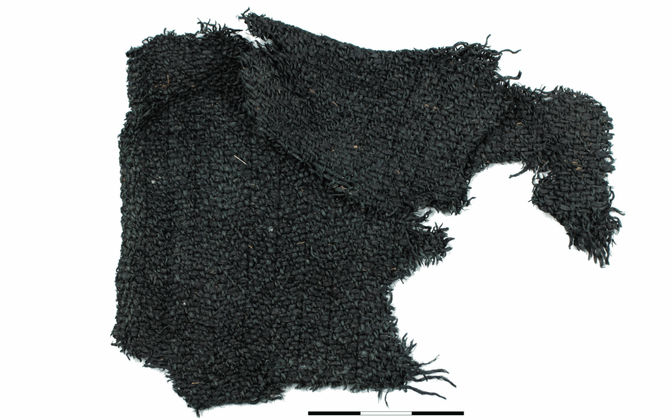
Remains of a headpiece from an early 17th century

Exploring Estonia's Ancient Love for 'Blackish-Blue' Textiles: Unveiling the Secrets of Early Medieval Dyes

October 7, 2023

The rich tapestry of Estonia's cultural heritage continues to reveal fascinating insights into its ancient history. Recent archaeological discoveries, led by Riina Rammo, an associate professor of archaeology at the University of Tartu, shed light on the vibrant textile traditions of early medieval Estonia. Among the remarkable findings is the revelation that "blackish-blue" was the favored color of this bygone era. This captivating discovery not only offers a glimpse into the fashion preferences of ancient Estonians but also unveils the complex artistry involved in achieving this coveted hue.

The Prevalence of 'Blackish-Blue'

The majority of textile artifacts unearthed from early medieval Estonia come from women's burial sites. These garments, adorned with metal ornaments, have allowed researchers to uncover the color preferences of the period. According to Rammo, "blackish-blue" was undeniably the dominant and fashionable color from the 11th to the 15th century, particularly for festive occasions among women.

Woad blue was the most enduring textile color of the period

To achieve this enigmatic shade, Estonians of the time used a combination of imported compounds and native plants. While blue was the primary hue derived from imported indigotin-based dyestuff, a dark-purple tone was achieved by adding locally sourced plants. This unique blend of imported and native ingredients set Estonia's textile traditions apart from the rest of Europe.

The Role of Woad in Estonian Dyeing

Woad, scientifically known as Isatis tinctoria, played a pivotal role in early medieval Estonian dyeing practices. This biennial plant, characterized by its yellow flowers, was not native to the region but was introduced, possibly as a weed, during the Middle Ages. It was cultivated and processed into pellets, forming the foundation for dye solutions. Merchants depicted in medieval artwork were often seen carrying bags of woad balls, indicative of its significance in trade.

Dark blue fabric fragment from Pudivere deposit find

While woad was the primary source of blue dye in Estonia, researchers have now discovered that other dyes were blended with woad to create the desired "blackish-blue" shade. This intriguing revelation opens up possibilities for exploring the unique combinations of dyes used in Estonian textiles during this era.

A Quest for the Darkest Shade

The enduring popularity of "blackish-blue" may be attributed to its remarkable resistance to fading and washing. It was a testament to the quality and longevity of this dye. Moreover, the importation of indigotin-based dyestuff from distant lands likely added prestige to the color, making it even more desirable for the wearer.

Since ancient times, woad (Isatis tincotria) was an important source of blue dye and was cultivated throughout Europe

Modern Applications and Sustainability

The findings from this ongoing research have broader implications. They are part of the EU-supported international project "Colour4CRAFTS," which aims to develop sustainable dyeing technologies. By exploring ancient dye sources and techniques, researchers hope to create modern, eco-friendly dyeing methods that consume less water, contributing to sustainability efforts.

The textile traditions of early medieval Estonia provide a unique foundation for this research. Lichens and tree bark, commonly used in this region, have inspired modern textile chemists looking for water-efficient dye sources. The comparison of ancient recipes with contemporary samples promises to yield valuable insights into Estonia's historical dyeing practices.

The yarn is dyed with woad dye

Conclusion

Estonia's early medieval fascination with "blackish-blue" textiles is a testament to the rich and diverse cultural heritage of the region. Riina Rammo's research, in collaboration with Finnish colleagues, offers a unique window into the past, revealing not only the popularity of this enigmatic color but also the intricate art of dyeing that was practiced in Estonia during that time. As the research continues, it holds the promise of uncovering more secrets of the past and contributing to modern sustainable dyeing practices, keeping Estonia's textile traditions alive in a new era.

Archeologists Unearth Human Bones and Viking-Era Settlement in Viru-Nigula, Estonia

October 7, 2023

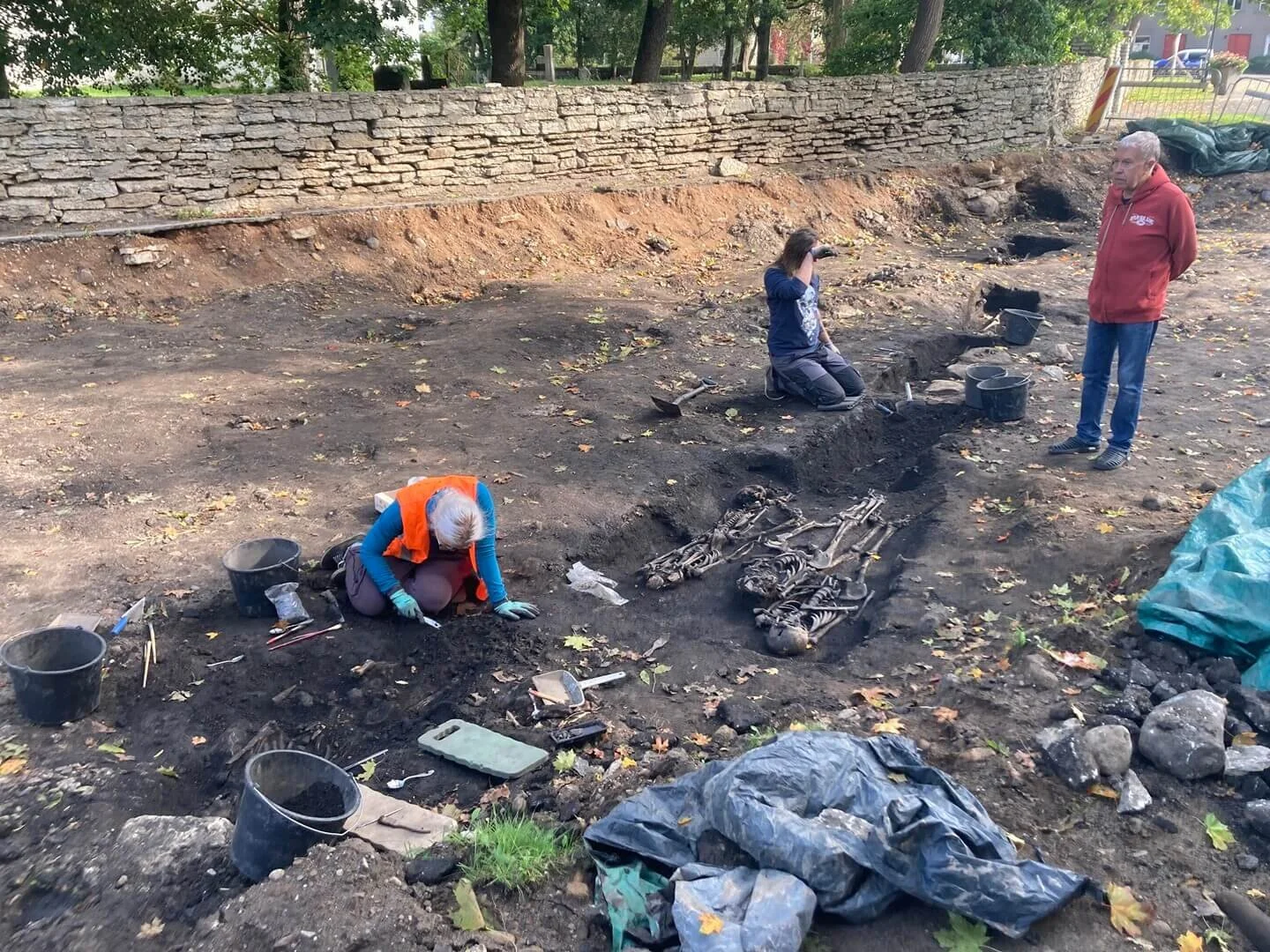
In a stunning discovery during an archaeological dig in Viru-Nigula, Lääne-Viru County, experts have unearthed human bones and evidence of a Viking-era settlement, shedding light on the fascinating history of this ancient Estonian site. The findings offer a glimpse into life during the medieval period, revealing intriguing details about burial practices, health care, and daily life in the past.

The archaeological dig, conducted ahead of planned roadworks in the area, confirmed a long-held hypothesis that the cemetery and church in Viru-Nigula were constructed upon the foundations of an earlier settlement. Researchers found a total of 11 human skeletons, with four appearing to have been buried in a common grave. Preliminary estimates suggest that these remains date back to the 16th to 18th centuries.

One of the most remarkable aspects of these discoveries is the insight they provide into the medical practices of the time. Martin Malve, a bioarchaeologist and bone specialist involved in the project, expressed his excitement about the pathologies, bone fractures, and injuries found among the skeletons. One skeleton, in particular, exhibited a femur fracture, prompting questions about how this individual coped with such a severe injury. Contrary to common assumptions, people of that era did survive such injuries, although their treatment methods were far different from modern medical care. This revelation challenges conventional wisdom about the resilience and adaptability of past societies.

hagia-sophia-gettyimages-1218260373 (1) (1).jpg
2094566h71d5t27 (1).jpg
2094614hfe41t27 (1).jpg
hagia-sophia-gettyimages-1218260373 (1) (1).jpg 2094566h71d5t27 (1).jpg 2094614hfe41t27 (1).jpg

Beyond the cemetery, the archaeological team uncovered evidence of a settlement with a history dating back to the Viking Age. The site yielded pottery shards, nails, and an abundance of animal bones, including fish and bird remains. This wealth of artifacts offers valuable insights into the diet, tools, and daily lives of the inhabitants of Viru-Nigula during this bygone era. Additionally, soil samples were taken to extract plant residue, providing further information about agricultural practices in the region.

The coexistence of artifacts from different historical periods raises intriguing questions about the events that transpired in Viru-Nigula over the centuries. Speculation runs rampant, with some suggesting that the village may have been destroyed during the Crusades or other dramatic events. However, the exact historical narrative remains elusive. Martin Malve cautioned against hasty assumptions, stating, "People's romanticism has led to suggestions that the village was burned down or that the Germans came and destroyed the village. But what actually happened, we don't know. Perhaps part of the village was deserted or demolished, or a church was built in the center."

The two-week archaeological excavation in Viru-Nigula promises to yield further revelations about the rich history of this Estonian site. As researchers continue their meticulous work, the story of this ancient settlement and its inhabitants will undoubtedly become clearer, offering a window into a world that existed centuries ago.

The discoveries in Viru-Nigula serve as a testament to the importance of preserving and exploring our historical heritage, providing us with a deeper understanding of the past and enriching our appreciation of the complex tapestry of human history.

The Hagia Sophia will collapse if it is not closed, a Turkish professor warns

October 7, 2023

The Hagia Sophia's Precarious Future: A Global Call for Preservation

The Hagia Sophia, an architectural marvel with a rich history, has once again taken center stage as Turkish historian Ilber Ortayli raises a red flag regarding its structural integrity. This iconic monument, situated in Istanbul, Turkey, has transitioned through various roles, from an Orthodox cathedral to an Ottoman mosque and later a museum. However, it is now functioning as a mosque once more, and its increased visitor traffic poses a significant risk to its preservation.

Ilber Ortayli's concerns stem from the sheer volume of visitors that the Hagia Sophia receives daily. Three million pilgrims and tourists flock to this historic site each year, a number that Ortayli considers unsustainable for its preservation. Even an annual attendance of 20–30 thousand individuals, including scholars, historians, archaeologists, religious representatives, politicians, and public officials, could, according to Ortayli, lead to irrevocable damage. As a result, Ortayli advocates for the immediate closure of the Hagia Sophia to initiate essential restoration efforts.

Ortayli's apprehensions extend to the alterations made to accommodate the Hagia Sophia's role as a mosque. He contends that facilities such as toilets and fountains, necessary for daily mosque operations, cannot be incorporated into this historically significant structure without jeopardizing its architectural integrity. The monument has been inundated with visitors since its reclassification as a mosque, with Turkish Minister of Tourism and Culture Mehmet Nuri Ersoy reporting a staggering 21 million visitors in just three years.

The transformation of the Hagia Sophia into a mosque has garnered worldwide attention and criticism. Its UNESCO World Heritage status, recognizing its historical and cultural importance, is at risk due to its altered function and the potential harm it faces. UNESCO has even indicated that it may revoke the Hagia Sophia's world heritage designation because of these concerns. This global recognition reinforces the notion that preservation of this monument transcends national boundaries; it is a collective responsibility.

Preservation: A Collective Responsibility

Preserving the Hagia Sophia is not just a matter of national pride; it is a global duty. This architectural masterpiece, with its profound artistic and historical significance, should be safeguarded for generations to come. Ortayli's warning underscores the urgency of taking immediate action to protect the Hagia Sophia from the looming threat of destruction.

As we reflect on the Hagia Sophia's uncertain future, we are reminded that cultural heritage transcends borders and ideologies. It is a testament to our shared human history and the importance of preserving our collective legacy. The Hagia Sophia stands as a symbol of our ability to come together to protect and cherish the treasures that bind us across time and space.

In conclusion, Ilber Ortayli's cautionary words serve as a stark reminder that the Hagia Sophia's preservation is not just a Turkish concern; it is a matter of global importance. The world must rally together to ensure the continued existence of this historical masterpiece, for it belongs not only to Istanbul or Turkey but to all of humanity.

Kos island, Greece: Unveiling of the Statue of Hippocrates, the Father of Medicine, in his Homeland After 2,500 Years

October 6, 2023

The unveiling of the statue of Hippocrates took place on Sunday afternoon, October 1st, in a public place, specifically in the thicket that leads from the port of Kos to the historical Platano (plane tree) of Hippocrates.

The statue of the father of medicine, who was born in Kos, was designed by the sculptor Giorgos Kikotis and is a contribution by the Greek from the USA, Dimitris Tassios, of Kosic origin.

The ceremony was attended by local authorities, hundreds of ordinary citizens, and guests, while the unveiling was followed by the performance of the Hippocratic oath.

This is a statue representing Hippocrates holding a wooden pole in which the serpent is wrapped, according to historical reports. The work that was placed is a work of great artistic value.

View fullsize gallery_26050b0ab44d6ba46b930fb66d62e46f (1).jpg
View fullsize agalma-ippokrati-kosmei-ko-istoriki-stigmi-nisi-800x700 (1).jpg
View fullsize Ιπποκράτης-Αποκαλύπτηρια-1024x658 (1).jpg

A little about Hippocrates

Hippocrates was an ancient Greek physician who is considered the father of medicine and one of the most important physicians of antiquity. He was born in about 460 BC in the city of Kos, which is located in the Aegean archipelago, and died around 370 BC. The life and work of Hippocrates have left an inestimable mark on the field of medicine and on wider human knowledge.

Although information about the life of Hippocrates is limited and often unclear, we do know that he was a member of the Hippocratic family, a noble family that came from the island of Kos. He was educated in the fields of medicine and philosophy and became the most recognized physician of his time.

The most important work of Hippocrates is the collection of the Hippocratic Writings, also known as the "Hippocratic Collection" or "Hippocratica". This collection includes over 60 texts dealing with medicine, health, and nutrition. These works contain valuable insights and observations on human health, disease, and medical practice at the time.

Hippocrates instituted the medical oath, known as the Hippocratic Oath, which is an ethical code for medical practitioners, emphasizing the need to maintain the highest level of ethics and professionalism in their medical practice.

Hippocrates died at an advanced age, leaving a legacy that continues to influence the field of medicine and human health today. Hippocratic principles and his approach to medicine continue to form the foundation of medical science and practice.

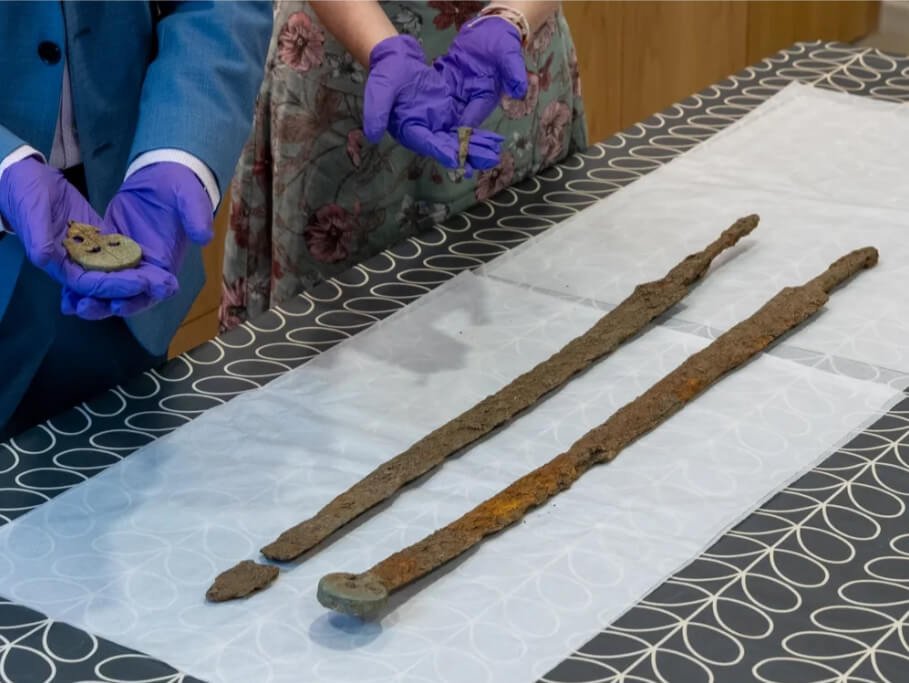
The swords have long blades that were likely used by Roman soldiers or civilians while riding on horseback. Cotswold District Council

Two 1,800-Year-Old Roman Cavalry Swords Unearthed in England

October 6, 2023

In an astonishing discovery, a metal detectorist by the name of Glenn Manning unearthed a pair of 1,800-year-old Roman cavalry swords in the North Cotswolds region of southern England. These remarkable swords, still encased in the remnants of their wooden sheaths, provide a fascinating glimpse into the martial history of Roman Britain. The find has ignited excitement among archaeologists and historians, who are eager to unravel the secrets concealed within these ancient blades.

The swords, with their long and slender blades, are believed to be of the type known as a "spatha." Roman soldiers and even civilians often carried such weapons while riding on horseback during the Roman Empire's heyday, from around 160 to the third century C.E. This practice was not unusual, as Roman provinces were frequently plagued by banditry, making it entirely legal for civilians to possess and carry such weapons for their protection during travel.

Paul Hodgkinson, a Cotswold District Council member responsible for leisure, culture, and health, aptly pointed out the historical significance of this find by saying, "People famously asked, 'What have the Romans ever done for us?' Well, they have just given us some amazing examples of weapons used almost 2,000 years ago when Cirencester was the second biggest town in Britain." Indeed, this discovery adds another layer to the rich tapestry of Roman influence in Britain.

One notable feature of the spatha swords is their elongated, straight blades. This design made them particularly suited for Roman officers and riders, allowing them to wield the weapon effectively while on horseback. Compared to the more famous Roman gladius, which was a shorter sword typically used by foot soldiers, spatha swords catered to the needs of equestrian soldiers.

What makes this discovery even more intriguing is the rarity of finding multiple Roman swords together in Britain. Simon James, an archaeologist at England's University of Leicester who analyzed the swords, noted, "In terms of parallels, I can't think of finds of more than one sword being deposited in any similar circumstance from Roman Britain." He goes on to mention a comparable find in Canterbury, where a pair of similar swords were discovered alongside their owners in a clandestine burial, most likely the result of a double murder.

To gain deeper insights into the swords' history, archaeologists are planning to take X-rays of the artifacts and revisit the site where they were found. Additionally, in close proximity to the swords, Glenn Manning also discovered a broken bowl made of copper alloy. These additional finds could potentially shed light on the context of the swords' burial.

Emma Stuart, director of the Corinium Museum in Cirencester, England, expressed the curiosity surrounding this discovery, stating, "The question is—and the mystery is—why were those swords buried in the north of the Cotswolds? What were they doing there?" These are questions that researchers hope to answer in the coming months as they delve deeper into the historical significance of these ancient Roman cavalry swords.

This remarkable discovery in England is not the only recent find of Roman-era swords. Earlier in the summer, archaeologists in Germany uncovered the remains of a Frankish medieval warrior buried with a 1,300-year-old spatha. Just last month, the Israel Antiquities Authority announced the discovery of four 1,900-year-old Roman-era swords in a cave near the Dead Sea. Three of these swords resembled the spatha with their long blades, while the fourth was a shorter ring-pommel sword.

The unearthing of these ancient swords serves as a vivid reminder of the enduring fascination with the Roman Empire and its legacy, which continues to captivate both historians and the general public alike. As researchers work to unravel the mysteries surrounding these relics, they provide us with a tangible connection to a distant past and a deeper understanding of the Roman presence in ancient Britain. These swords, now under the care of archaeologists, are poised to reveal more of their secrets and enrich our understanding of history in the years to come.

Ancient Bronze Mirrors Unearthed at Sakurai Chausuyama Burial Mound Shed Light on Japan's Enigmatic Past

October 6, 2023

In a remarkable archaeological discovery, more than 100 ancient bronze mirrors have been unearthed at the Sakurai Chausuyama burial mound in Sakurai, Nara Prefecture, Japan. This incredible find provides valuable insights into Japan's history and raises questions about the power structures and connections with other ancient civilizations in the region. Let's delve deeper into this exciting discovery and what it means for our understanding of Japan's past.

The Sakurai Chausuyama Kofun

The Sakurai Chausuyama Kofun, also known as the Tobi Chausuyama-kofun Tumulus, is a colossal keyhole-shaped mound constructed during the early Kofun period, which spanned from 250 AD to 552 AD. This tumulus, measuring 207 meters in length, is categorized as an Ekagami-shiki tumulus, characterized by its hand-mirror-shaped front square part. Situated on the left bank of the Hasegawa River in Sakurai City, Nara Prefecture, this site holds significant historical importance and is designated as a "historic site" by the central government.

A Glimpse into Royal Power

The scale of the findings at the Sakurai Chausuyama burial mound suggests that the individual buried here wielded immense power and potentially had royal status. Archaeologists examining the mirrors have discovered a variety of mirror types, including what are known as "Himiko's mirrors." These mirrors feature a triangular rim and intricate depictions of gods and animals.

Mirror fragments discovered at the Sakurai Chausuyama burial mound are shown on top of an image of a triangular-rimmed mirror with gods and animals discovered from another tumulus on Sept. 7 at the Archaeological Institute of Kashihara, Nara Prefecture. When the mirrors are superimposed, it is clear that the artifacts are identical in shape and pattern. Photo: Kenji Shimizu

Himiko, a Queen of Mystery

Himiko, the namesake of these mirrors, is a semi-legendary figure from early third-century Japan. Although absent from Japanese historical records, she briefly appears in Chinese historical texts. Himiko was renowned as a shaman queen who ruled the Yamatai-koku kingdom. However, the exact location of Yamatai remains disputed among scholars.

The Mirrors' Historical Significance

The mirrors discovered at the Sakurai Chausuyama burial mound include some that were made using the same mold as the Sankakubuchi Shinjukyo mirrors. These mirrors bear inscriptions of Seishi Gannen, representing the first year of the Seishi era, which corresponds to 240 in the Wei-dynasty China's calendar. It is believed that Himiko received 100 mirrors from the Wei dynasty during that year, as recorded in historical texts.

The Power of Central Kingdoms

The recent excavation has provided invaluable information about the central power structures of ancient Japan. Shinya Fukunaga, an archaeology expert from Osaka University, commented that this discovery could significantly alter our understanding of the political structure of the Yamato State.

Photo: Heritage of Japan

A Record-Breaking Discovery

During the course of various excavations at the Sakurai Chausuyama burial mound, a total of 385 fragments of bronze mirrors have been uncovered. In 2010, a study attributed the finds to 81 bronze mirrors, surpassing the previous record of 40 mirrors found at the Hirabaru archaeological site in Itoshima, Fukuoka Prefecture. However, a recent re-examination of the fragments has led researchers to conclude that at least 103 bronze mirrors were discovered, setting a new record for Japan.

The discovery of more than 100 ancient bronze mirrors at the Sakurai Chausuyama burial mound is a momentous event in Japanese archaeology. These mirrors offer a glimpse into the enigmatic world of Himiko and her kingdom, challenging conventional historical narratives and shedding light on the intricate connections between ancient Japan and other civilizations. As researchers continue to unravel the mysteries surrounding this incredible find, our understanding of Japan's rich and complex history is certain to evolve.

In Japan

The Cheddar brooch after conservation (Image: South West Heritage)

Early Medieval Cheddar Brooch Takes Center Stage in Taunton

October 6, 2023

In a momentous occasion for history enthusiasts and curious visitors alike, the Museum of Somerset in Taunton is set to unveil a remarkable artifact that has lain hidden for centuries—the Early Medieval Cheddar Brooch. This extraordinary discovery, dating back to approximately AD 800 to 900, provides a captivating window into a pivotal era in English history, when the fate of Saxon Wessex hung in the balance, and Somerset offered refuge to none other than King Alfred the Great himself.

The Cheddar Brooch, a large silver and copper alloy disc brooch, has emerged from obscurity thanks to the efforts of a dedicated metal detectorist, Iain Sansome, who unearthed it on farmland near Cheddar, Somerset, in 2020. This remarkable find, one of the most important single objects ever discovered in the county, has since undergone meticulous conservation work by Pieta Greaves of Drakon Heritage.

The brooch, which is well over a thousand years old, has been carefully restored to reveal its exceptional craftsmanship and intricate design. The decoration on the brooch features interlaced animal and plant motifs in bright silver and black "niello," set against a gilded background. Among the depicted creatures are wyverns, dragon-like beings with two legs, wings, and long tails, which would later become symbols of Wessex.

Amal Khreisheh, Curator of Archaeology at the Museum of Somerset, commented on the fascinating details uncovered during the conservation process, including fine scratches on the reverse side that may have been used by the maker to outline the design. Additionally, a tiny contemporary mend on the beaded border suggests that the brooch was cherished and worn for an extended period before being lost to history.

Tom Mayberry, Chief Executive of the South West Heritage Trust, highlighted the historical significance of the Cheddar Brooch, explaining that it hails from a time that marked a turning point in English history. In 878, King Alfred the Great rallied his forces in Somerset and successfully defeated an invading Danish army, securing Wessex and laying the foundations for a unified English kingdom.

The Cheddar brooch before conservation (Image: South West Heritage)

The acquisition of the Cheddar Brooch was made possible through the Treasure Act 1996, with generous support from the Arts Council England/V&A Purchase Grant Fund, the Art Fund, and the Friends of the Museum of Somerset. Leanne Manfredi of the Victoria and Albert Museum praised the acquisition, emphasizing the long-term benefit it would bring to audiences.

The Cheddar Brooch will be prominently displayed in the museum's 'Making Somerset' gallery, allowing visitors to immerse themselves in its historical significance. The museum, open from Tuesday to Saturday, offers free entry, making this ancient treasure accessible to all. In addition to viewing the brooch, visitors can participate in a range of talks and family activities over the autumn season, shedding light on the brooch's historical context.

As part of its commitment to community engagement, the South West Heritage Trust is collaborating with partners in Cheddar to develop a series of activities related to the Cheddar Brooch. This initiative will culminate in a community event in Cheddar in the spring of 2024, offering local residents and history enthusiasts the opportunity to see the brooch in the parish where it was discovered.

The unveiling of the Cheddar Brooch is a testament to the enduring allure of history and the dedication of individuals and organizations committed to preserving and sharing the rich cultural heritage of Somerset. As this remarkable artifact takes its place in the spotlight, it promises to captivate the imaginations of all who come to witness it, connecting the present with a pivotal moment in England's past. Don't miss the chance to embark on a journey through time and explore the legacy of the Early Medieval Cheddar Brooch at the Museum of Somerset in Taunton.

The Aasvik family (pictured above) discovered two Viking-era artifacts while using a metal detector to search for a lost gold earring in the yard of their Norwegian home in September 2023. Kulturarv i Vestfold og Telemark fylkeskommune

Viking Treasure Unearthed in a Norwegian Family's Backyard

October 6, 2023

In a quaint corner of Norway, an ordinary family embarked on a treasure hunt of their own, only to stumble upon an extraordinary piece of history. The Aasvik family, residing on the serene island of Jomfruland off the country's southern coast, had a rather unique experience while searching for a lost gold earring in their backyard this month. Little did they know that their quest would lead them to a trove of Viking-era artifacts dating back over a millennium.

The Aasvik family's remarkable discovery unfolded as they dusted off a trusty metal detector to assist in the search for the missing earring. While their intentions were to find a single piece of jewelry, they unwittingly embarked on an archaeological adventure. Instead of the earring, their metal detector signaled the presence of something much older and more profound: Viking relics.

Among the unearthed treasures were a bowl-shaped buckle and another item believed to be linked to a ninth-century Viking burial. These artifacts, now in the hands of experts, have reignited fascination with the Vikings and their presence on Jomfruland. According to the Cultural Heritage of Vestfold and Telemark County Council, the family may have inadvertently discovered the remains of a woman's grave, carefully preserved beneath the roots of a large tree in their garden. Radiocarbon dating suggests that these items date back to around the year AD 800.

The two Viking-era artifacts discovered under a tree in the Aasvik family’s yard. Kulturarv i Vestfold og Telemark fylkeskommune

The Aasvik family acted responsibly upon their discovery, promptly contacting local authorities to report their findings. Their vigilance ensures that these precious historical artifacts will be properly preserved, studied, and shared with the world.

Prior to this serendipitous find, archaeologists had scant evidence of Viking settlements on Jomfruland, with their knowledge extending primarily to the Middle Ages. This newfound trove represents a groundbreaking discovery, as it is believed to be the first tangible evidence of a Viking-era presence on the island. It promises to shed light on the lives and customs of the Vikings, who inhabited this remote corner of the world more than a millennium ago.

The Aasvik family's story is not the only remarkable Viking discovery to unfold in Norway recently. On the southern island of Rennesøy, amateur archaeologist Erlend Bore made headlines with his metal detector. Initially mistaking his find for foil-wrapped chocolate coins, Bore uncovered nine pendants, three rings, and ten gold pearls, believed to be from around AD 500. Archaeologists have referred to this remarkable discovery as "the gold find of the century in Norway."

However, it's important to note that in Norway, the law strictly prohibits individuals from keeping artifacts dating before 1537 and coins that predate 1650, as they are considered state property. These regulations are in place to preserve the nation's historical heritage for the benefit of all.

The Aasvik family’s garden where the Viking-era artifacts were unearthed. Kulturarv i Vestfold og Telemark fylkeskommune

The Aasvik family's accidental discovery serves as a testament to the enduring allure of history, which often lies just beneath the surface, waiting to be uncovered. Their find not only enriches our understanding of Viking history but also highlights the importance of responsible stewardship of our cultural heritage. As the artifacts are examined and preserved for future generations, we can only wonder what other hidden treasures may lie beneath the earth, waiting for their moment to be revealed.

Abydos: 5,000-Year-Old Wine and Clues to a Mysterious Queen's Reign Unearthed in Egyptian Tomb

October 6, 2023

In the vast and enigmatic realm of Egyptian archaeology, discoveries continue to shed light on the ancient civilization's rich history and the lives of its prominent figures. Recently, an Egyptian-German-Austrian archaeological mission working in Upper Egypt unearthed a remarkable treasure trove in the tomb of Queen Merneith, located in Abydos, Sohag.

Among the findings were well-preserved sealed vessels containing 5,000-year-old wine, offering a tantalizing glimpse into the past. The discovery was made by a dedicated team of archaeologists, led by Christiana Kohler, who are tirelessly working to unravel the secrets of Queen Merneith's life and reign. Mostafa Waziri, the Secretary-General of the Supreme Council of Antiquities, described the vessels as large in size and remarkably intact, having remained unopened for millennia.

This find represents a remarkable opportunity for researchers to study ancient wine and gain insights into the winemaking practices of the time. Dietrich Raue, the director of the German Archaeological Institute, emphasized that the discovery goes beyond the ancient wine. The mission has also unveiled new details about the life of Queen Merneith, who has long been shrouded in mystery.

Inscriptions on one of the tablets found inside the tomb indicate that Queen Merneith held a position of significant authority, overseeing central government offices. This revelation challenges previous assumptions about the roles of women in ancient Egyptian society, highlighting the potential prominence of Queen Merneith's role in governance. As the team continues to explore the tomb, Christiana Kohler expressed her excitement about the insights gained thus far.

The tomb itself is a fascinating testament to ancient construction methods, constructed using raw bricks, clay, and wooden planks. This provides valuable information about the architectural techniques of the time, further enriching our understanding of ancient Egypt's craftsmanship.

One of the most intriguing aspects of this discovery is the rarity of Queen Merneith's royal tomb in Abydos. Kohler explained that, to date, Queen Merneith may be the only woman from the First Dynasty whose royal tomb has been uncovered in Abydos. This makes the findings all the more exceptional, offering a unique opportunity to delve into the life and legacy of this enigmatic queen.

The tomb not only contains insights into Queen Merneith's life but also provides a glimpse into the social structure of ancient Egyptian society. Buried near the queen are 41 tombs belonging to her courtiers and servants. These individuals played vital roles in the queen's life and were given a place of honor in her final resting place. Intriguingly, the mission is far from over, and researchers are tirelessly working to uncover more information about Queen Merneith's life, her reign, and the significance of the sealed wine vessels.

Each discovery offers a new piece of the puzzle, gradually bringing Queen Merneith and her time back to life in our collective imagination. The archaeological mission in Abydos serves as a testament to the enduring allure of ancient Egypt and its endless capacity to surprise us with glimpses into the past. As researchers continue to meticulously study the contents of Queen Merneith's tomb, we can look forward to even more revelations about this remarkable queen and the civilization she was a part of. The 5,000-year-old wine, once enjoyed by the queen, now offers a toast to the enduring curiosity and dedication of modern archaeologists.

Illustration by Dimosthenis Vasiloudis

Ancient Manifestations of Monotheism: From Akhenaten and Moses to the Greek Philosophers

October 6, 2023

BY DIMOSTHENIS VASILOUDIS


The evolution of monotheistic thought within the ancient civilizations surrounding the Eastern Mediterranean provides a rich tapestry, interweaving cultural, philosophical, and religious transformations. From the revolutionary religious edicts of Akhenaten in Egypt to the moral and ethical directives handed down to Moses and culminating in the complex metaphysical musings of Greek philosophers, monotheism began to take shape in various forms and conceptions.

Akhenaten: An Early Foray into Monotheism

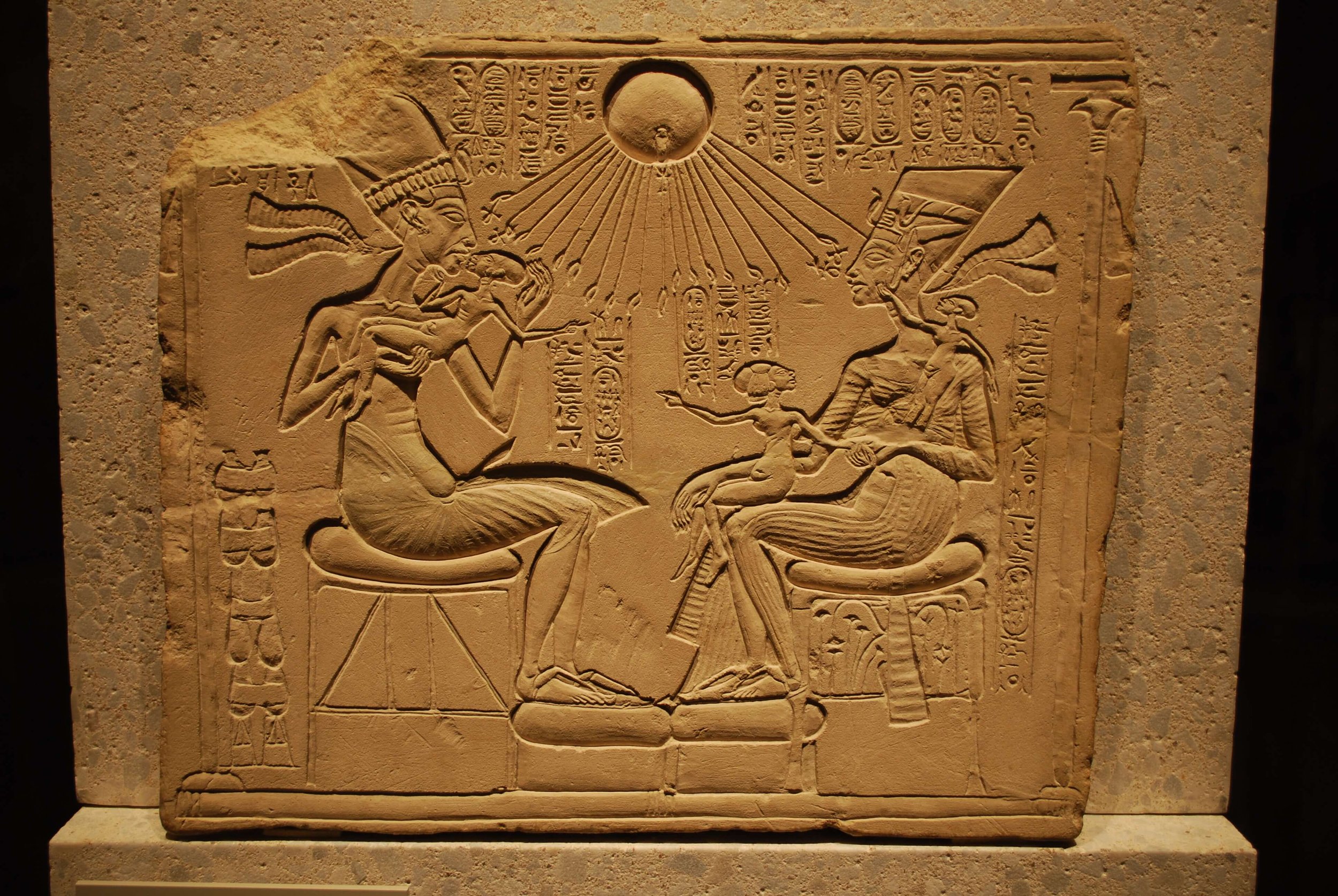
Pharaoh Akhenaten of Egypt introduced a form of monotheism in the 14th century BC, shifting traditional Egyptian polytheism towards the exclusive worship of the Aten, the sun disk. Although the reasoning behind Akhenaten's shift towards monotheism remains a subject of debate among historians, his reign represents one of the earliest recorded instances of monotheistic practice. The cult of Aten rejected the multitude of gods traditionally worshiped in Egypt, positioning Aten as the singular, supreme deity.

Moses and the Emergence of Israelite Monotheism

Concurrently, or perhaps shortly after, the emergence of monotheism can be seen within the Hebrew Bible's figure of Moses, who purportedly received divine laws from Yahweh, the singular God of the Israelites. The Covenant established between Yahweh and His chosen people set forth a unique relationship, distinguishing it from the surrounding polytheistic practices and thereby shaping the trajectory of Abrahamic religions. Although the exact date of Judaism's origin is not pinpointed, the covenant between the patriarch Abraham and God, which is also considered a fundamental event in the formation of Judaism, is traditionally dated to around 1800 BC.

Troels Myrup / Flickr

The Philosophical Monotheism of Greece

Moving ahead to Greece, intellectual explorations into the nature of divinity, existence, and the cosmos led several philosophers towards postulating singular principles or entities that bear resemblance to monotheistic deities.

Xenophanes of Colophon criticized anthropomorphic deities, positing instead an eternal, unmoving, singular god that permeates all things with the power of thought.

Anaxagoras, on the other hand, introduced "Nous" (Mind) as an infinite, self-ruled, and imperishable entity responsible for the creation and order seen in the cosmos.

Plato’s realm of forms was ruled by the “good,” a superior, singular entity. His cosmological dialogues, such as "Timaeus," further introduced a divine craftsman, or demiurge, organizing chaos according to eternal forms.

Aristotle proposed a Prime Mover, an ultimate, unchanging reality that moves everything else in the cosmos as the object of ultimate desire.

Synthesizing Ancient Monotheistic Threads

Although these figures and cultures expressed divergent and often incompatible forms of monotheism, they collectively illustrate an intriguing intellectual and spiritual journey towards understanding a unified, singular divinity. The cultural, social, and political implications of these monotheistic tendencies were profound, influencing the moral, ethical, and legal structures of their respective societies and those that followed.

From the stringent devotion to Aten, the covenantal monotheism of the Israelites, to the philosophical explorations of divinity by Greek thinkers, these ancient manifestations of monotheistic belief showcase humanity's perpetual quest to comprehend the divine, exploring the fundamental questions regarding existence, morality, and the cosmos.

Xenophanes, ancient Greek philosopher. From Thomas Stanley, (1655), The history of philosophy: containing the lives, opinions, actions and Discourses of the Philosophers of every Sect, illustrated with effigies of divers of them.

Cross-Cultural Interplay and Theological Syncretism in eastern MEDITERRANEAN

The intricate web of interactions and influences among ancient cultures around the eastern Mediterranean was pivotal in shaping theological and philosophical discourses. Akhenaten’s radical religious reformation, for example, may have reverberated across borders, potentially influencing early Israelite monotheism. Similarly, the exodus of the Israelites and their interactions with various civilizations, as documented in biblical texts, might imply a sharing and borrowing of religious and philosophical ideas, although the exact historical accuracy and timelines remain subjects of scholarly debate.

Furthermore, the ancient Greeks were not isolated in their philosophical endeavors. Their interactions with Eastern philosophies and the wider Mediterranean world—through conquests, trade, and cultural exchanges—undeniably impregnated their thought processes. The confluence of Egyptian, Mesopotamian, and later Persian ideas provided fertile ground for the Greeks' metaphysical speculations.

Such cross-cultural exchanges and syncretism were not mere appropriations but rather complex, reciprocal interactions that enriched and diversified the evolving theological and philosophical paradigms in the ancient world. This syncretism underscores the importance of considering the interconnectedness of these civilizations when examining the emergence and development of monotheistic ideas and practices within their respective contexts.

The eastern Mediterranean, with its diverse cultures and geographies, became a vibrant cradle for the evolution of theological and philosophical thought as both isolated and interconnected societies explored the concept of a singular divine entity or principle. These multifaceted manifestations of monotheism, whether strictly religious or philosophical, reveal a profound, sustained human impulse toward understanding the universe and our place within it, ultimately shaping the theological and philosophical foundations of the civilizations that succeeded them.

Tags Religion, Dimosthenis Vasiloudis
← Newer Posts Older Posts →
Featured
image_2026-05-15_160951429.png
May 15, 2026
The Viking Hoards of Gotland: The Wealth of the Baltic Sea
May 15, 2026
Read More →
May 15, 2026
image_2026-05-15_160824048.png
May 15, 2026
Ancient Egyptian Canopic Jars: The Science of Organ Preservation
May 15, 2026
Read More →
May 15, 2026
image_2026-05-15_160729796.png
May 15, 2026
The Library of Ashurbanipal: The First Systematically Organized Collection
May 15, 2026
Read More →
May 15, 2026
image_2026-05-15_160702824.png
May 15, 2026
Roman Pottery: The Mass Production of Terra Sigillata
May 15, 2026
Read More →
May 15, 2026
image_2026-05-15_161100251.png
May 15, 2026
The Viking King Gorm the Old: The Jelling Stones and Danish Identity
May 15, 2026
Read More →
May 15, 2026
image_2026-05-15_160305875.png
May 15, 2026
Ancient Maya Astronomy: The Alignment of the Caracol at Chichen Itza
May 15, 2026
Read More →
May 15, 2026
read more

Powered by The archaeologist