Unlock the ancient secrets of Stoicism to supercharge your mornings and set a powerful tone for the day! Dive into a transformative 17-minute journey that unveils 7 Stoic practices to cultivate inner peace, resilience, and purposeful living. From the wise words of Marcus Aurelius to the empowering embrace of Amor Fati, this guide is your key to living in harmony with both triumphs and trials. Enjoy!

The 5 Most Incredible Archaeological Discoveries of Recent Times
There is no hard and fast guide to what a major archaeological discovery should look like, or how old it needs to be to be considered significant.
Predicting the future is difficult, but based on our research we have done some research on the archaeological discoveries and stories we might see in 2023. Here we have compiled the latest archaeological discoveries of 2023 for you. In this video we will explore archaeological wonders big and small, and we start now. Enjoy!

(300) The Real Xerxes & his Assassination | The God King of Persia
In this video, we'll explore the fascinating history of Xerxes the Great, the fourth king of the Achaemenid Empire and one of the most powerful rulers in ancient Persia. Known as the "God King," Xerxes was a complex figure who oversaw some of the most significant events in Persian history, including the construction of the famous Persepolis palace and the invasion of Greece.
But who was Xerxes really, and what motivated him to become such a powerful and influential leader? We'll delve into the historical records to uncover the truth about Xerxes' life, his reign, and his legacy. Along the way, we'll examine the cultural and political context of ancient Persia, and explore the fascinating stories and legends that have grown up around this enigmatic figure. So join us as we journey back in time to discover the real history of Xerxes the Great, the God King of Persia.

The Real Thor Is Not Who You Think He Is
The real Thor from Norse Mythology was not blonde. The real Thor was not rocking abs, nor would he win any beauty contest. The real Thor was quick to anger, and just as quick to smash everything to pieces with his hammer. In fact... the real Thor was more like Marvel’s Hulk than Marvel’s Thor in many ways: An angry, massive man that just wanted to fight and drink, and preferred not to think. Actually, God of War Ragnarok had a fairly accurate depiction of Thor, particularly in his appearance.
Mythology Thor being so different from the MCU Thor does not make Norse Mythology's God of Thunder any less interesting... if anything, it makes for more exciting stories. Watch the video to find out more!

Uncovering Neanderthal Culinary Intelligence: Evidence from Archaeological Excavations
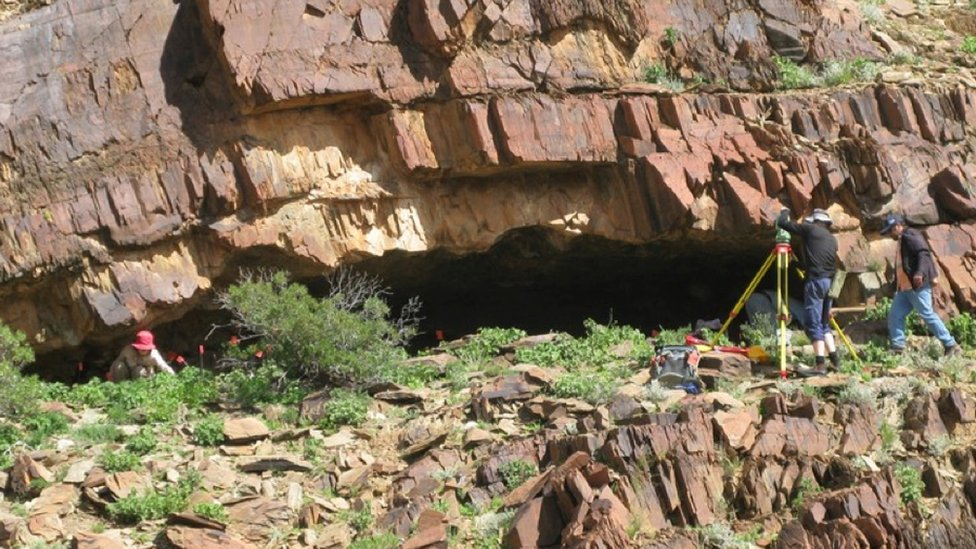
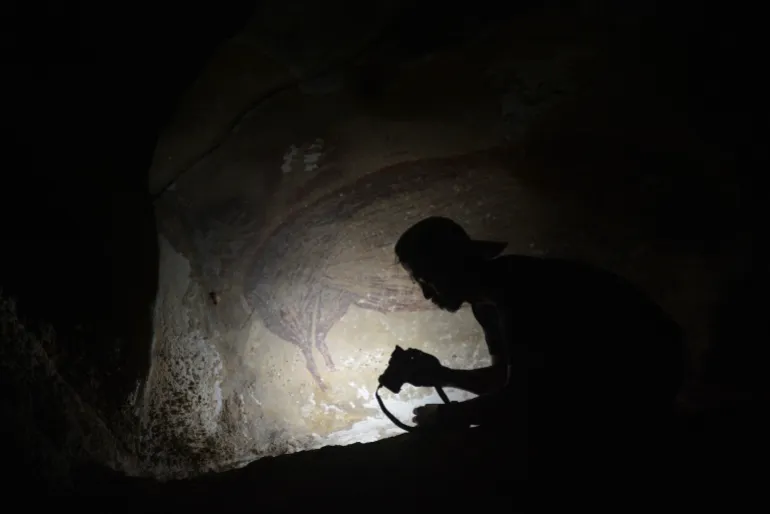
In a remarkable revelation, recent excavations at the Gruta de Oliveira in central Portugal have shed new light on the culinary skills and intelligence of our ancient cousins, the Neanderthals. These findings, published in a groundbreaking study titled "Formation processes, fire use, and patterns of human occupation across the Middle Paleolithic of Gruta da Oliveira," further solidify the understanding that Neanderthals were far more sophisticated than previously believed.
Cooking with Fire: A Mark of Intelligence
Neanderthals, often portrayed as primitive beings in popular culture, have long been underestimated in terms of their intellectual capabilities. However, the discovery of intentionally constructed hearths inside the Gruta de Oliveira, where Neanderthals dwelled approximately 100,000 to 70,000 years ago, provides compelling evidence that they possessed the knowledge and skill to master fire.
Diego Angelucci, an archaeologist from the University of Trento and co-author of the study, emphasizes the significance of this discovery: "This confirms our observations and theories from previous studies. Neanderthals were capable of symbolic thought, artistic expression, body adornment, and a diverse diet. Moreover, our findings unequivocally demonstrate that they regularly cooked their food, establishing their culinary prowess on par with the Homo sapiens, who came much later."

Excavation in the Gruta de Oliveira. Credit: João Zilhão
Twenty Years of Meticulous Excavations
The Gruta de Oliveira, a part of the expansive Almonda karst system, served as a time capsule of Neanderthal life. Excavations carried out from 1989 to 2012, under the supervision of João Zilhão from the University of Lisbon, yielded a treasure trove of artifacts and remains spanning from approximately 120,000 to 40,000 years ago.
According to Angelucci, the site offered an extensive range of artifacts, from Lower Paleolithic relics to the Mousterian culture's chipped stones. However, the hearths found during these excavations have emerged as the most intriguing discovery, offering insights into the culinary practices of Neanderthals.
“Hearths and Food Remains”
Around a dozen hearths were meticulously unearthed at different stratigraphic levels within an excavation area of approximately 30 square meters and six meters deep. These circular, basin-like structures contained remnants of burnt bones, wood, and ash. Notably, the underlying rock showed signs of heat-induced discoloration, confirming the hearths' primary placement and long-term use.

These hearths were instrumental in cooking a diverse menu that included goats, deer, horses, aurochs (extinct bulls), rhinos, and even turtles, which were likely prepared on their carapaces and stewed on hot stones. Furthermore, previous excavations in Mediterranean caves near Cartagena (Spain) revealed remains of fish, mussels, mollusks, and roasted pine nuts, showcasing the breadth of Neanderthal cuisine.
The Mysteries of Fire Ignition
Despite these extensive findings, the methods employed by Neanderthals to start fires remain shrouded in mystery. Speculations point to techniques such as striking flint rocks together to create sparks on tinder, similar to methods discovered through the study of Ötzi, the Ice Man. However, no conclusive evidence has been found to substantiate these theories.
Nevertheless, the excavations provided an opportunity to compare Neanderthal life with that of Homo sapiens in Upper Paleolithic periods in the same region. Surprisingly, the results showed striking similarities in how both groups inhabited and utilized caves, suggesting that they were different human forms rather than distinct species.
Interdisciplinary Archaeology: A Key to Understanding
This groundbreaking study culminated in decades of dedicated work by archaeologists and researchers from various disciplines. Stone tools, bone remains, spatial analyses, stratigraphy, and microscopic studies were all employed to piece together this complex puzzle.
Diego Angelucci emphasized the importance of interdisciplinary archaeology, stating, "This type of archaeology is carried out with the most advanced methodologies. They require time and resources, and this is what we teach our students."
In conclusion, the Gruta de Oliveira excavations have shattered misconceptions about Neanderthals, highlighting their culinary prowess and intelligence. As the study unveils more layers of our ancient past, it becomes increasingly evident that our shared human history is far richer and more complex than previously imagined.

Ancient Magdala in Israel was discovered recently after a priest decided to build a retreat center. The area had been completely abandoned, and no sign of the ancient town was visible until the project was begun. Credit: AVRAM GRAICER /CC BY-SA 3.0
Ancient City of Magdala: A Historical Treasure Unearthed in Israel
The ancient city of Magdala, a name prominently mentioned in the Bible as the hometown of Jesus Christ's disciple Mary Magdalene, has recently resurfaced from the sands of time in the heart of Israel. Archaeologists and historians are hailing this discovery as "one of the most significant finds in the past 50 years." In this article, we delve into the intriguing history of Magdala, its stunning archaeological discoveries, and its profound cultural and religious significance.
Magdala's Rich History Unearthed
Nestled on the shores of the Galilee, Magdala was founded during Hellenistic times and evolved into a thriving fishing village by the time the Romans invaded the Galilee in 67 AD. Its prosperity was evident in its stone-paved streets and the presence of an elaborate first-century synagogue. However, the village gradually fell into disrepair over the centuries due to religious upheavals, military conquests, and the passage of time.
The resurrection of Magdala began with an unexpected vision by a Catholic priest from Spain in 2009. This priest envisioned establishing a religious retreat center on the site of ancient Magdala, sparking the excavation process. Construction workers, unaware of the historical treasure beneath their feet, stumbled upon stone walls and passageways that once served as the town's state-of-the-art fish processing facility. These walls contained stone-lined tanks with fresh running water, central to the town's bustling fish market.
Stunning Discoveries Beneath the Surface
The excavation, initiated by the chance discovery, soon revealed the magnitude of the historical riches hidden beneath Magdala's soil. Archaeologists unearthed coins dating back to between 5 and 63 AD, with one coin from 29 AD bearing an impression that evokes Jesus teaching in the synagogues, as recounted in the New Testament.
Intricate mosaics showcasing Greco-Roman influences during the Herodian period captivated archaeologists. A small mosaicked room on the synagogue's southern side is believed to have housed Torah scrolls, shedding light on the spiritual life of the community.
At the heart of the synagogue stood the remarkable Magdala Stone, an elaborately carved artifact depicting what experts believe to be the earliest representation of the Great Temple in Jerusalem, which fell to the Roman army in 70 AD. The stone showcases a menorah, believed to be the one that graced the temple before its destruction, making it the oldest known sculpture of a menorah.

The inside of the first-century AD synagogue at the ancient city of Magdala in Israel, one of only seven synagogues from that era in the country that are extant. The “Magdala Stone,” showing a representation of the Temple in Jerusalem, was also found there along with spectacular mosaics. Credit: עמוס גל/CC BY-SA 4.0
Yet, only about ten percent of the entire ancient town has been uncovered thus far, with excavations primarily concentrated to the side of the retreat center. Visitors to the center can peer down into the remnants of the town, including stone streets, passageways, and the once-grand synagogue.
Magdala's Name and Significance
In the Babylonian Talmud, the town was known as Magdala Nunayya, which translates to "Tower of the Fishes" in Aramaic. Some historical geographers suggest that this name may refer to the large fish processing areas in the town.
Modern-day Migdal, an Israeli municipality founded in 1910, has now expanded into the former village's area. Preliminary archaeological excavations dating back to 2006 revealed that Magdala's history spans from the Hellenistic period to the late Roman period.
The Migdal Synagogue, a significant discovery, stands as the oldest synagogue found in Galilee and one of the few synagogues from that era discovered in Israel.
Magdala's Connection to Mary Magdalene
Magdala is recognized as the birthplace of Mary Magdalene, as evidenced by texts dating back to the 6th century AD. Christian sources from the 8th and 10th centuries AD speak of a church in the village believed to be Mary Magdalene's house, where Jesus is said to have exorcised her of demons.
The "Life of Constantine" attributes the construction of the church to Empress Helena in the 4th century AD, precisely at the location where Mary Magdalene's house was believed to have stood. Historical records from the 13th century corroborate the existence of this church and Mary Magdalene's house.
Many Christian scholars concur that Mary Magdalene hailed from Magdala Nunayya, and it's also thought to be the location where Jesus landed, as recorded in the New Testament.
In conclusion, the unearthing of the ancient city of Magdala in Israel is a monumental archaeological discovery that has unraveled a wealth of historical and religious significance. With its rich history, intricate mosaics, ancient synagogue, and the enigmatic Magdala Stone, this site offers a window into the past that continues to captivate scholars and visitors alike, shedding light on a pivotal period in the region's history and its connection to figures like Mary Magdalene and Jesus.

The wooden structure being excavated at Kalambo Falls. Professor Larry Barham, University of Liverpool.
Revealing the Environmental Wisdom of Our Stone Age Ancestors: The Astonishing Discovery of Half-a-Million-Year-Old Wooden Structures
In our fast-paced world, we often use the term "Stone Age" to describe outdated or primitive technologies, creating a disconnect between our modern selves and our ancient ancestors. However, a recent archaeological discovery challenges this perception. Led by archaeologist Larry Barham at the University of Liverpool, a team uncovered remarkable evidence of the earliest known use of wood technology, dating back to a staggering 476,000 years ago at Kalambo Falls, Zambia.
The archaeological site at Kalambo Falls is renowned for revealing traces of human cultural development that stretch back hundreds of thousands of years. Among the well-preserved artifacts discovered were a wedge, a digging stick, a log cut with precision tools, and a branch with a notch cut into it. These findings shed new light on the remarkable ability of early hominins (ancient human relatives) to source wood and craft it into tools and sophisticated wooden structures. While we cannot definitively identify the species responsible for this craftsmanship, candidates like Homo heidelbergensis or Homo naledi are under consideration.
This discovery holds profound implications for our understanding of sustainable materials in the Early Stone Age and the capabilities of our ancestors. To grasp the significance fully, we must appreciate the scarcity of wood in Early Stone Age deposits. Wood generally requires exceptional preservation conditions to avoid decay, such as the extremely dry or wet environments found in deserts or at Kalambo Falls, respectively.

Excavators found part of a structure formed by two overlapping logs. Barham et al. Nature (2023).
Our early ancestors would have undoubtedly utilized wood for various purposes, including crafting tools and constructing shelters. This newfound evidence confirms that wood was indeed an integral part of their technology toolkit. Previously, suspicions existed regarding the widespread use of wood by early hominins, but the absence of direct evidence prevented its acceptance as fact. Archaeology relies on tangible evidence, and the Kalambo Falls discovery transformed speculative ideas into established facts, reshaping our perception of technological history.
One of the challenges in acknowledging the use of wood in ancient times is the lingering notion of linear progress in human history. This view suggests that human technology and culture evolved from simple to complex, culminating in our modern world dominated by algorithms and advanced technology. However, the Kalambo Falls discovery challenges this narrative.
Early hominins, despite having smaller brain sizes than modern humans, displayed impressive craftsmanship and environmental consciousness. The intentionally-shaped wooden constructions found at Kalambo Falls highlight their design, technology, and creativity, reminiscent of what we now call "green technology." While modern construction materials may be nearly indestructible, they leave long-lasting and environmentally harmful ruins, with their manufacturing processes contributing to climate change through greenhouse gas emissions. In contrast, wood, despite its perishability, emerges as a more sustainable material.

Our ancestors would have used wood to make tools and structures for shelter. Professor Larry Barham, University of Liverpool.
Of course, wood is not without its risks, such as fire and decay, but in appropriate situations, it remains a reliable choice. The ancients may have been more progressive than we give them credit for, exhibiting a profound understanding of materials and their environment and making sound decisions that benefited the planet.
In conclusion, the evidence from Kalambo Falls suggests that early hominins were capable of utilizing materials beyond stone for their daily needs, including tool-making and shelter construction. They may have also harnessed resources from their environment for fuel and medicine. As we strive to uncover more direct evidence reaching back to the dawn of the Stone Age, discoveries like these might prompt us to reconsider history, leading us to rename the era the "Wood Age." In doing so, we acknowledge the incredible ingenuity and environmental wisdom of our ancient relatives, challenging our preconceived notions of progress and technology.

New Study Challenges Preconceptions: Prehistoric Women Were Hunters Too
In the annals of anthropology, there has long been a prevailing narrative that has shaped our understanding of prehistoric human societies. It is a narrative that portrays men as fearless hunters, stalking and capturing prey, while women are cast in the role of gatherers, foraging for fruits, nuts, and other resources. This division of labor, according to conventional wisdom, was determined by gender differences in anatomy and physical capabilities. However, a groundbreaking study published in Scientific American and the journal American Anthropologist is now challenging this long-held belief, suggesting that prehistoric women were hunters too.
The theory of men as hunters and women as gatherers gained prominence in 1968 when anthropologists Richard B. Lee and Irven DeVore published "Man the Hunter," a collection of scholarly papers presented at a symposium in 1966. This narrative has since been deeply ingrained in our understanding of early human societies. However, researchers from the University of Notre Dame decided to delve deeper into this narrative and examine the division of labor according to sex during the Palaeolithic era, which spans from approximately 2.5 million to 12,000 years ago.
Upon conducting a meticulous examination of contemporary archaeological findings and literature, the researchers made a startling discovery: there was limited substantiation for the notion of distinct gender-based roles. They also scrutinized female physiology and found that women exhibited physical capabilities suitable for hunting, along with scant evidence suggesting their exclusion from hunting activities.
One of the key findings that challenged the traditional view was the presence of instances of gender equality in various aspects of prehistoric life. These included evidence from ancient artifacts, dietary practices, artistic expressions, burial customs, and anatomical characteristics. Sarah Lacy from the University of Delaware remarked, "But from what evidence we do have, there appears to be almost no sex differences in roles."
The researchers also probed whether anatomical and physiological distinctions between men and women posed limitations on women's hunting capabilities. Their investigation revealed that men did possess certain advantages in activities requiring speed and power, such as sprinting and throwing. Conversely, women held an advantage over men in pursuits necessitating endurance, like long-distance running. This advantage, it turns out, may be linked to the hormone estrogen.
Estrogen, a hormone primarily associated with the female reproductive system, can increase fat metabolism. This gives muscles a longer-lasting energy source and can regulate muscle breakdown, thus preventing muscles from wearing down. Astonishingly, scientists have traced estrogen receptors, proteins that direct the hormone to the right place in the body, back to a staggering 600 million years ago. This revelation suggests that women are biologically equipped for endurance-based activities.
Professor Lacy emphasized this point, stating, "When we take a deeper look at the anatomy and the modern physiology and then actually look at the skeletal remains of ancient people, there's no difference in trauma patterns between males and females because they're doing the same activities."
In essence, the study concludes that for approximately 3 million years, men and women both participated in subsistence gathering for their communities, and the reliance on meat and hunting was a shared responsibility among both sexes. This groundbreaking research is poised to reshape our understanding of the dynamic roles played by prehistoric women, challenging the long-standing stereotypes that have framed our perceptions of ancient human societies.
This study not only highlights the importance of reevaluating historical narratives but also underscores the critical role of interdisciplinary research in shedding light on the complexities of our past. It serves as a reminder that our understanding of history is a dynamic process, continually evolving as new evidence and fresh perspectives come to light. The image of prehistoric women as hunters adds depth and nuance to our understanding of the ancient human experience, showing that the roles of men and women were far more complex and diverse than previously imagined.
As we continue to explore the mysteries of our past, it is vital to remain open to new discoveries and perspectives, for they have the power to reshape our understanding of who we are and where we come from. In the case of prehistoric women as hunters, it is a reminder that history is full of surprises waiting to be uncovered, challenging our preconceptions and enriching our knowledge of the human journey through time.
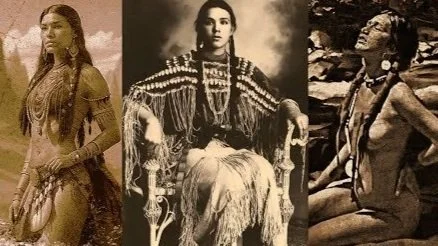
41 Old Photos of Beautiful Native American Women from the Old West
The historical photographs of Native American women from the Old West open a remarkable window into a rich and diverse cultural legacy. These powerful images capture more than just moments in time—they tell stories of resilience, tradition, and beauty that defined Native American communities during this era.
Through their expressions, attire, and surroundings, we glimpse a way of life deeply rooted in ancestral heritage and cultural identity, offering profound insights into the strength and spirit of these women. Dive into the video below to explore their enduring stories and celebrate this extraordinary legacy!

Workers Find Ancient Treasure That Could Change Britain's Past
A group of Workers have discovered an ancient treasure that has the potential to alter the historical narrative of Britain.
Though you might not realize it, the ground beneath your feet could be littered with historical riches, waiting to be rediscovered. For one group of London city workers, finding lost and buried relics of the past beneath busy city streets was all part of the job. Yet, after a new project led them to dig alongside one of history's most storied rivers, the workers stumbled upon an ancient secret that left them in awe. They'd never seen anything like it.

The 5 Most Incredible Archaeological Discoveries of Recent Times
There is no hard and fast guide to what a major archaeological discovery should look like, or how old it needs to be to be considered significant.
Predicting the future is difficult, but based on our research we have done some research on the archaeological discoveries and stories we might see in 2023. Here we have compiled the latest archaeological discoveries of 2023 for you. In this video we will explore archaeological wonders big and small, and we start now. Enjoy!

Why Did Ancient Greece Decline?
The decline of Ancient Greece was not solely attributed to moral decay, as modern explanations also point to the political subordination of Greek cities by Hellenistic kingdoms and the Roman Empire.
The establishment of kingdoms and empires brought stability to Greek politics by ending petty wars between city-states and promoting oligarchic regimes. Despite the devastating wars and distance from the courts of kings and emperors, some Greek cities, like Corinth, remained prosperous due to Roman patronage. The cities of Greece flourished under Roman control, thanks to support and efforts of local notables, showcasing the impact of Pax Romana on their prosperity.
Greek language and culture experienced a widespread influence during the Hellenistic and Roman eras, with Greek colonies established in various regions and the Greek classics highly revered by the Roman elite. The Greek culture that conquered the world was perceived as a finished thing, filled with unassailable classics. Classical Athens owed its astonishing creativity to abundant and enlightened patronage, political and cultural ferment, and the qualities of individual genius. Athens became a prisoner of its glorious past, leading to a cultural stagnation and embalmed culture.

Farmer Uncovers Strange Rock Formation That Scientists Are Struggling To Explain
This cera peculiar rock formation has been discovered by a farmer, leaving scientists perplexed as they grapple to provide a plausible explanation.
Finding an old hammer you lost ten years ago would be surprising to anyone working the land for a living. But in the case of Argentinian farmer Juan de Dios Sota, he stumbled across something even wilder. After noticing an unusually large lump jutting out of the earth, his life changed instantly. Soon enough, his farm was overrun with scientists just dying for a glimpse at his once-in-a-lifetime find.

The Collision of AI, "The Lord of the Rings", and Byzantine Hagiography: A Mesmerizing Fusion That Has Us Crazy!
By The Archaeologist Editor Group
Art and technology have, over the ages, found a way to coalesce in ways previously unimaginable. Yet, when artificial intelligence lends its hand to crafting art, the results are nothing short of revolutionary. This is precisely what's been witnessed recently with a stunningly innovative fusion of J.R.R. Tolkien's epic tale, "The Lord of the Rings," with Byzantine-style hagiography, all conjured into being by an advanced AI image creation system. The outcome? A series of captivating images that feel both ancient and modern, reflecting the timelessness of the stories they portray.

Byzantine Hagiography: An Ancient Tradition
For the uninitiated, Byzantine hagiographies are traditional religious artworks originating from the Byzantine Empire, primarily between the 4th and 15th centuries. These works usually depict saints, the Virgin Mary, Jesus Christ, and other biblical figures, characterized by their distinct iconographic style. Gold backgrounds, a lack of perspective, and highly symbolic imagery are hallmarks of this genre.
A Timeless Saga Reimagined
"The Lord of the Rings" (LOTR), penned by J.R.R. Tolkien in the 20th century, is a timeless tale of bravery, sacrifice, and the eternal struggle between good and evil. It introduces us to a plethora of characters, each bearing their own importance and depth, from the humble Frodo Baggins to the majestic Aragorn.
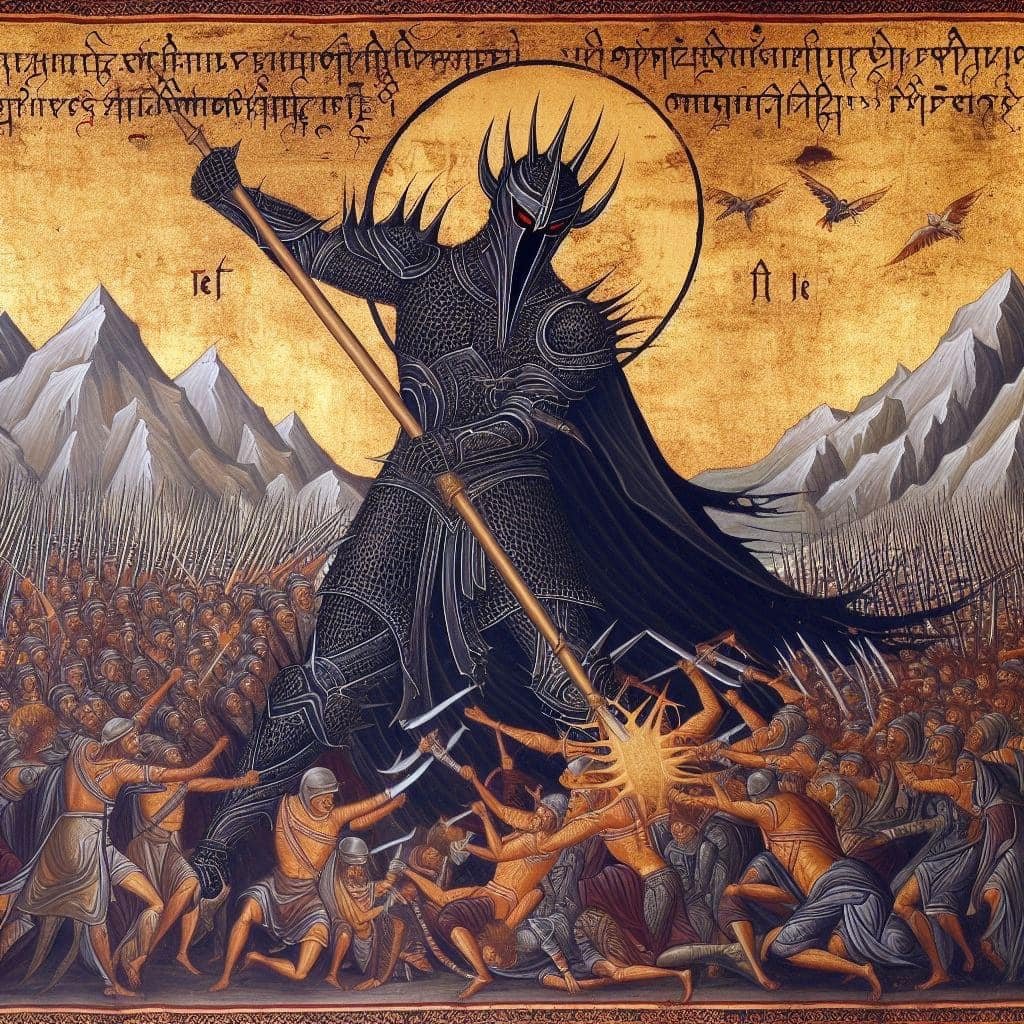
The melding of these two worlds through AI paints the beloved characters of LOTR in a fresh, yet archaic, light. Imagine Frodo, not as the young hobbit we're familiar with, but as a Byzantine saint, haloed in shimmering gold, his expression one of divine purpose. Gandalf, with his iconic staff, appears not just as a wise old wizard but as a prophetic figure bearing semblance to Byzantine depictions of Moses or other ancient seers.
The Power of AI in Artistic Creation
The creation of these images was neither a random act nor a simplistic translation. The AI, trained on vast datasets of Byzantine art and LOTR illustrations, recognized and understood the intricate nuances of each style. It blended them, ensuring that the resulting artwork maintained the integrity of its source inspirations.

One of the reasons these AI-generated images have garnered such attention is their ability to evoke a profound emotional response. The Byzantine influence grants an air of reverence and sanctity to Tolkien's characters, suggesting that their struggles, though fictional, touch upon eternal and divine themes.
Beyond Aesthetics: A Conversation Starter
These images do more than just tantalize the eyes. They ignite discussions about the intersections of ancient art and modern narratives, the capabilities of artificial intelligence in creative sectors, and the evolving definition of artistry in the digital age.

Moreover, they challenge purists who might initially balk at the idea of AI dabbling in the sacred realm of creativity. These Byzantine-LOTR hybrids serve as a testament to the fact that AI, when wielded with care and ingenuity, can produce artworks that resonate deeply with audiences.
As we stand at the crossroads of technology and art, it's moments like these—where AI conjures an enchanting blend of "The Lord of the Rings" in Byzantine-style hagiographies—that truly take our breath away. It reminds us that stories, regardless of their origin or medium, have the power to transcend time, culture, and even the methods of their creation.


Ancient Chinese Philosopher's Quotes which are better Known in Youth to Not to Regret in Old Age
The quotes of Ancient Chinese philosophers offer timeless wisdom for navigating the complexities of modern life. We hope that the quotes we share with you in this video will offer you inspiration, guidance and encouragement. Watch the video for more!

1900-year-old Children's Nightgown was found in a cave in the Judean Desert
The Cave of Letters in Israel is one such site that has yielded a large number of papyrus letters and documents. It was discovered in the early 1960s CE and was excavated by the famed Israeli archaeologist Yigael Yadin from 1960-1961.
Letters and papyri fragments from the Roman Empire era were discovered when the cave was examined. Some are connected to the Bar Kokhba revolt.
The Cave of Letters was found above a canyon called Nahal Hever. The cave is located in the Judean desert near the Dead Sea and can only be reached by climbing 50 feet to the cave’s entrance.

The Biggest Misconceptions About Historical Warfare
In today’s video we will unlock the truth about historical warfare! Explore the misconceptions surrounding castle sieges, line infantry tactics, organized battles, plate armor mobility, and the surprising facts about ancient weaponry. Watch the video to find out more!

Walk inside Trajan's Column
Take a unique walk inside one of the best preserved monuments of ancient Rome: Trajan's Column. Ascend the spiral staircase- rarely open to the public- to the top viewing platform for a one-of-a-kind view of Ancient Rome, and learn about the construction and meaning of this funerary monument that narrates the battles against the Dacians (modern Romania).

The boring truth about the Library of Alexandria
Modern writers make different claims about who destroyed the Library of Alexandria. Some blame Julius Caesar while others blame a Christian mob or the invading Arabs. But who is really responsible for the Library's demise? Watch the video to find out more!
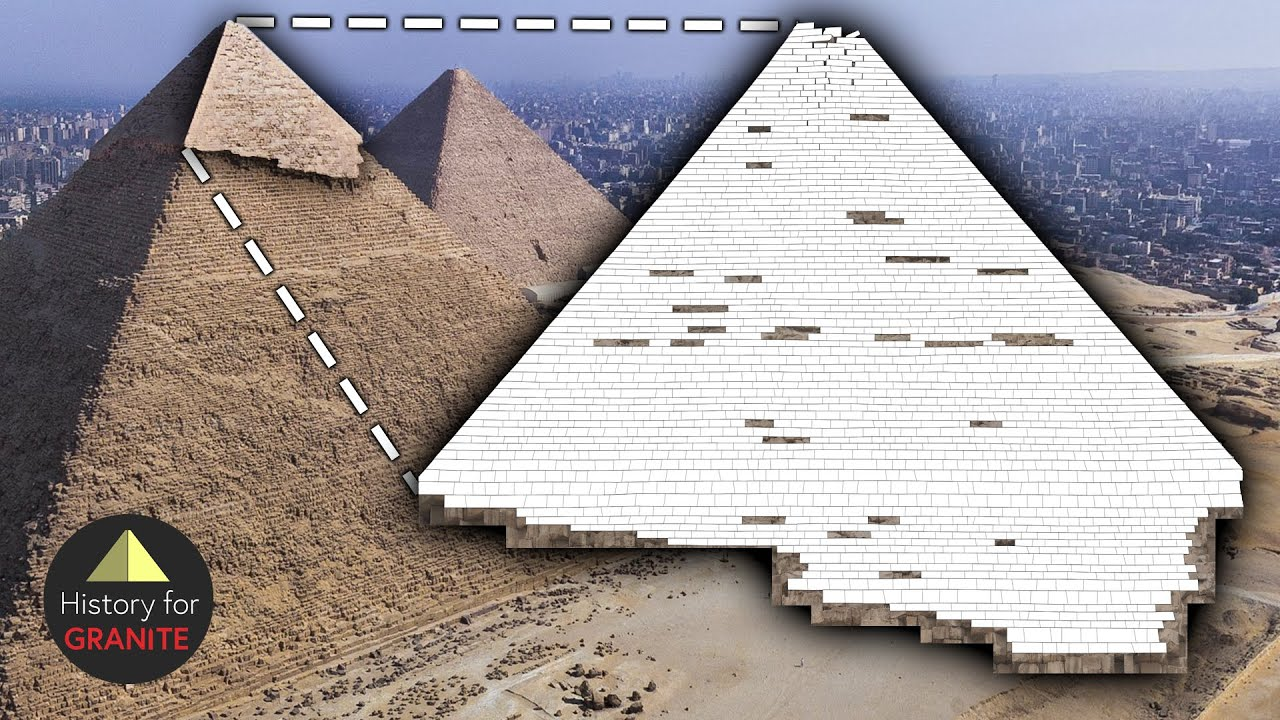
Closest Look Ever at How Pyramids Were Built
Unlocking the secrets behind the construction of the ancient Egyptian pyramids has long captivated the imagination of historians and archaeologists. The question of how these colossal structures, such as the pyramids of Egypt, were built remains one of the most enduring enigmas in the annals of human history.
Throughout the millennia, myriad theories have been proposed, stretching as far back as the accounts of Herodotus in Ancient Greece. These theories span the spectrum from the plausible to the patently outlandish. Yet, amidst the wealth of conjecture, a definitive answer has remained elusive.
Enter the pyramid casing stones—an intriguing piece of the puzzle. In our pursuit of uncovering the truth behind pyramid construction, this video sets out to break new ground. Rather than relying on indirect evidence and imaginative suppositions, it strives to utilize the direct evidence found in the pyramid of Khafre.
This evidence, meticulously documented and presented, forms a pattern that beckons for serious consideration. The quest to fathom the pyramid's construction method may have found a new, more tangible path forward. Anyone delving into this profound building question ought to engage with the compelling evidence laid out in this presentation, as it may well hold the key to unraveling an age-old mystery.
Watch the video below to find out the secrets behind the construction of the ancient Egyptian pyramids