A Unique Theogony
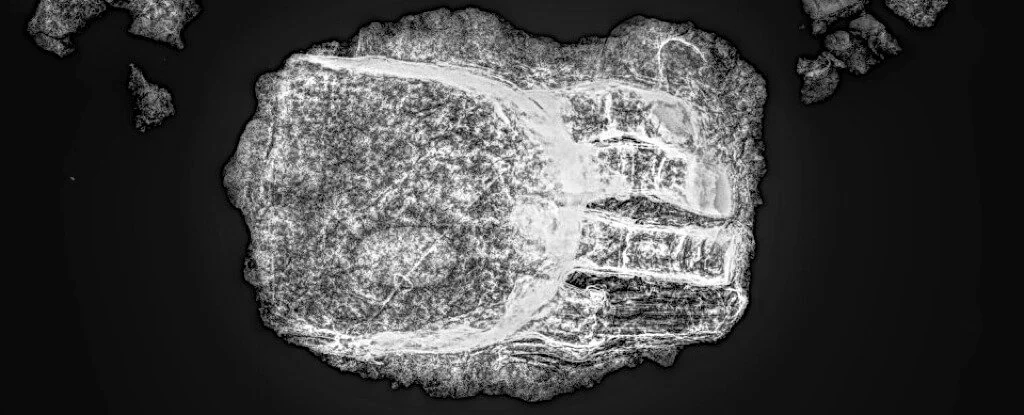
The papyrus continues with the interpretation of an enigmatic Orphic hymn. This theogony, unknown until the discovery of the Derveni Papyrus except through its later variants, provides a unique perspective on ancient Greek mythology and religious thought. This section sheds light on the complex and often esoteric mythological narratives that were prevalent in ancient Greek culture, offering scholars a rare insight into the evolution of these stories and their meanings.
The central focus of the text is a critical analysis of a hexameter poem attributed to Orpheus, utilized in Dionysus's mystery cult by Orphic initiators. The text includes excerpts from the poem, interpreted by the author to suggest that Orpheus used allegory rather than literal narrative. Opening with "Close the doors, you uninitiated," the poem's secretive tone is underscored, hinting at its allegorical nature.
The poem's theogony narrative begins with Nyx (Night) birthing Uranus (Sky), the first king, followed by Cronus and Zeus, with Zeus ultimately reigning supreme, guided by oracles from Nyx. A controversial aspect involves Zeus's relations with Rhea and Demeter, leading to Persephone's birth, though details are presumably in a missing second roll.
The interpreter posits that Orpheus's tales are allegorical, conveying profound truths through riddles, targeting an audience "pure in hearing." The text's opening columns, less preserved, delve into occult rituals, sacrifices to Erinyes, dealing with troublesome daimones, and the beliefs of the magi. These columns controversially include quotations from Heraclitus and, as noted by Richard Janko, Parmenides. The reconstruction of these fragments is highly debated, with significant contributions from Valeria Piano and Richard Janko, offering divergent perspectives.