• MAIN PAGE
  • LATEST NEWS
    • Lost Cities
    • Archaeology's Greatest Finds
    • Underwater Discoveries
    • Greatest Inventions
    • Studies
    • Blog
  • PHILOSOPHY
  • HISTORY
  • RELIGIONS
    • Africa
    • Anatolia
    • Arabian Peninsula
    • Balkan Region
    • China - East Asia
    • Europe
    • Eurasian Steppe
    • Levant
    • Mesopotamia
    • Oceania - SE Asia
    • Pre-Columbian Civilizations of America
    • Iranian Plateau - Central Asia
    • Indus Valley - South Asia
    • Japan
    • The Archaeologist Editor Group
    • Scientific Studies
    • Aegean Prehistory
    • Historical Period
    • Byzantine Middle Ages
    • Predynastic Period
    • Dynastic Period
    • Greco-Roman Egypt
  • Rome
  • PALEONTOLOGY
  • About us
Menu

The Archaeologist

  • MAIN PAGE
  • LATEST NEWS
  • DISCOVERIES
    • Lost Cities
    • Archaeology's Greatest Finds
    • Underwater Discoveries
    • Greatest Inventions
    • Studies
    • Blog
  • PHILOSOPHY
  • HISTORY
  • RELIGIONS
  • World Civilizations
    • Africa
    • Anatolia
    • Arabian Peninsula
    • Balkan Region
    • China - East Asia
    • Europe
    • Eurasian Steppe
    • Levant
    • Mesopotamia
    • Oceania - SE Asia
    • Pre-Columbian Civilizations of America
    • Iranian Plateau - Central Asia
    • Indus Valley - South Asia
    • Japan
    • The Archaeologist Editor Group
    • Scientific Studies
  • GREECE
    • Aegean Prehistory
    • Historical Period
    • Byzantine Middle Ages
  • Egypt
    • Predynastic Period
    • Dynastic Period
    • Greco-Roman Egypt
  • Rome
  • PALEONTOLOGY
  • About us
No results found

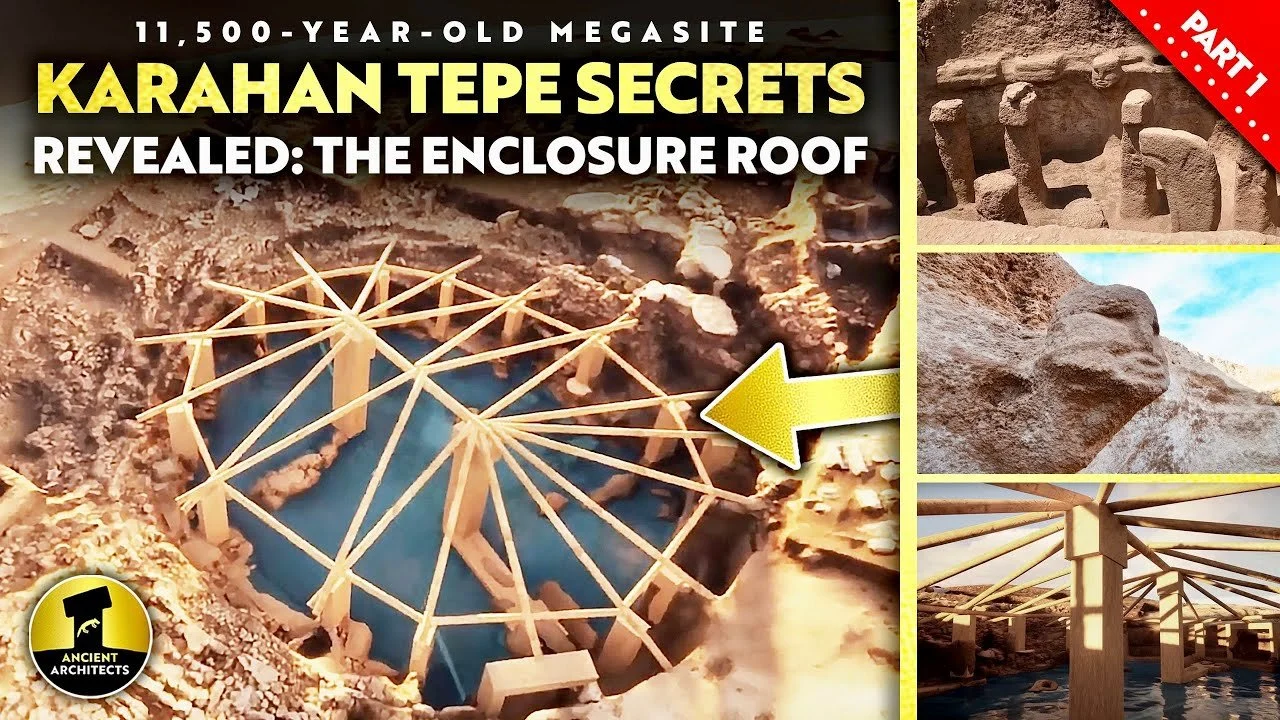
Karahan Tepe Secrets Revealed: The 11,500-Year-Old Enclosure Roof

November 13, 2023

Kevin Eslinger, a 3D artist and ancient history enthusiast, has used his skills to reconstruct the framework of the roof structure of an ancient site in Southeastern Anatolia, Karahan Tepe, which dates back to around 11,500 years ago. The site is believed to have been a communal building that was used for meetings, rituals, feasts or even as a bathhouse.

The structure has two enormous central pillars and broken pillars made of stone and bedrock, which Kevin believes were intended to hold up the roof. He has replaced the fallen and crumbled pillars to give a better understanding of how the structure would have been arranged. The site is believed to be only 5–10% excavated and has revealed fascinating discoveries, including an enormous statue found a few weeks ago. Kevin’s work is helping to understand the truly ancient and mysterious sites in Southeastern Anatolia and is important for future generations to appreciate and learn from.
← A Giant Door In The Sky: 5 Unexplained Ancient Structures Built AboveWhat was really discovered under Teotihuacan? →
Featured
image_2026-06-06_173339440.png
June 6, 2026
The Viking Age Runestones: The Jelling Stones and the Christianization of Denmark
June 6, 2026
Read more →
June 6, 2026
image_2026-06-06_172957786.png
June 6, 2026
Ancient Egyptian Funerary Art: The Fayum Mummy Portraits
June 6, 2026
Read more →
June 6, 2026
image_2026-06-06_172922034.png
June 6, 2026
The Roman Theater of Aspendos: The Best Preserved Roman Stage
June 6, 2026
Read more →
June 6, 2026
image_2026-06-06_172834793.png
June 6, 2026
Ancient Greek Sanctuaries: The Oracle of the Dead at Ephyra
June 6, 2026
Read more →
June 6, 2026
image_2026-06-06_172801052.png
June 6, 2026
The Minoan Civilization: The Social Status of Women in Crete
June 6, 2026
Read more →
June 6, 2026
image_2026-06-06_172641628.png
June 6, 2026
Roman Military Strategy: The Use of the Testudo Formation
June 6, 2026
Read more →
June 6, 2026
read more

Powered by The archaeologist