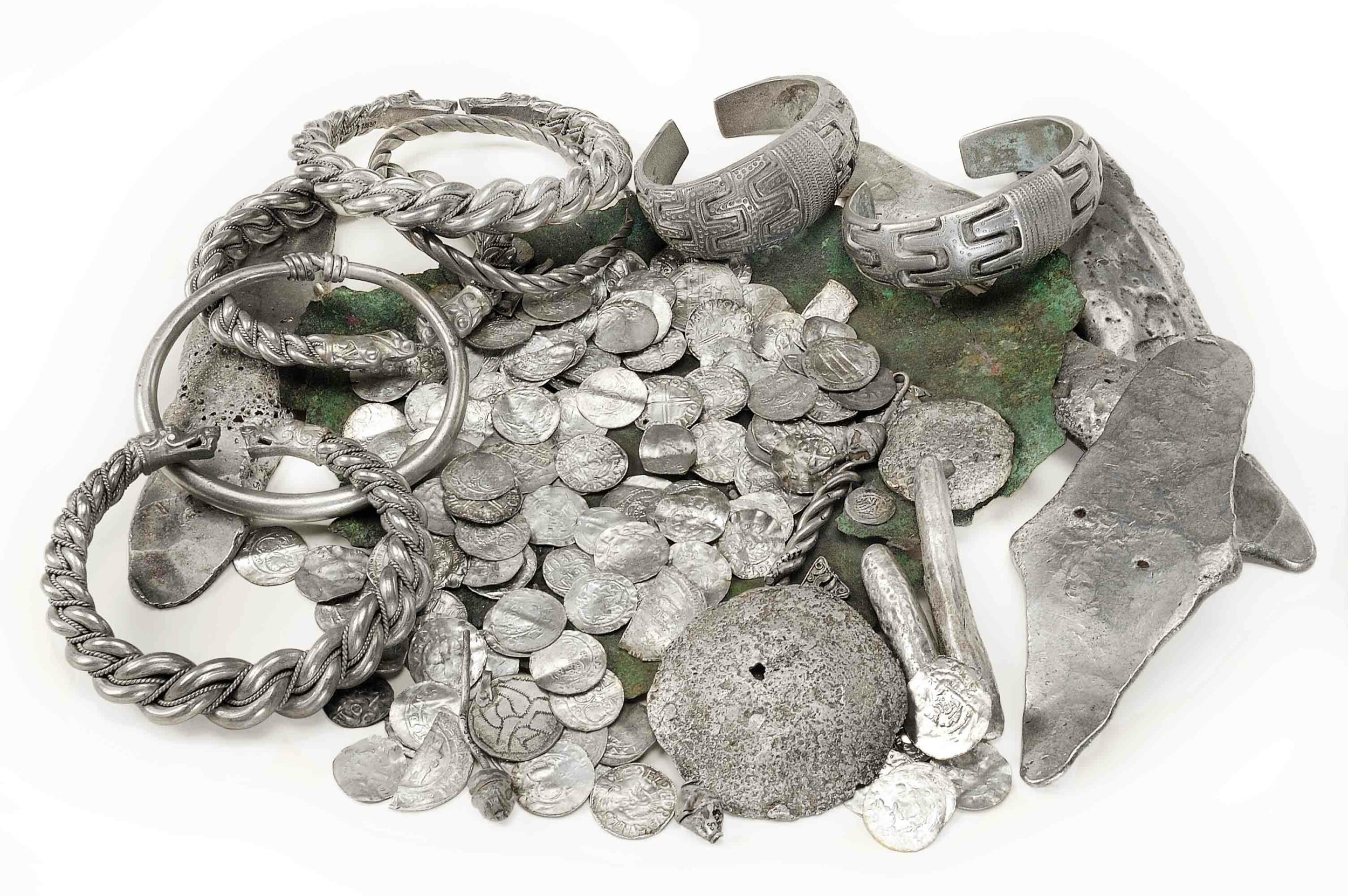
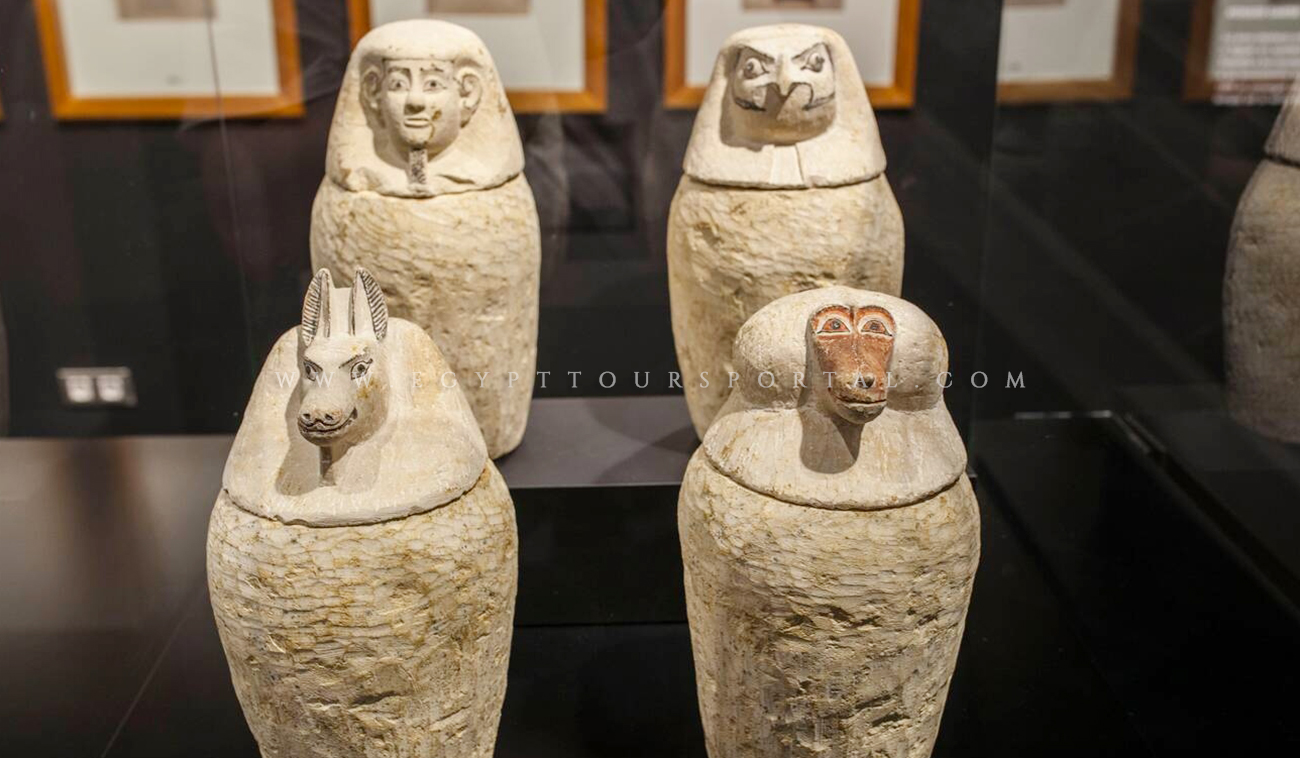
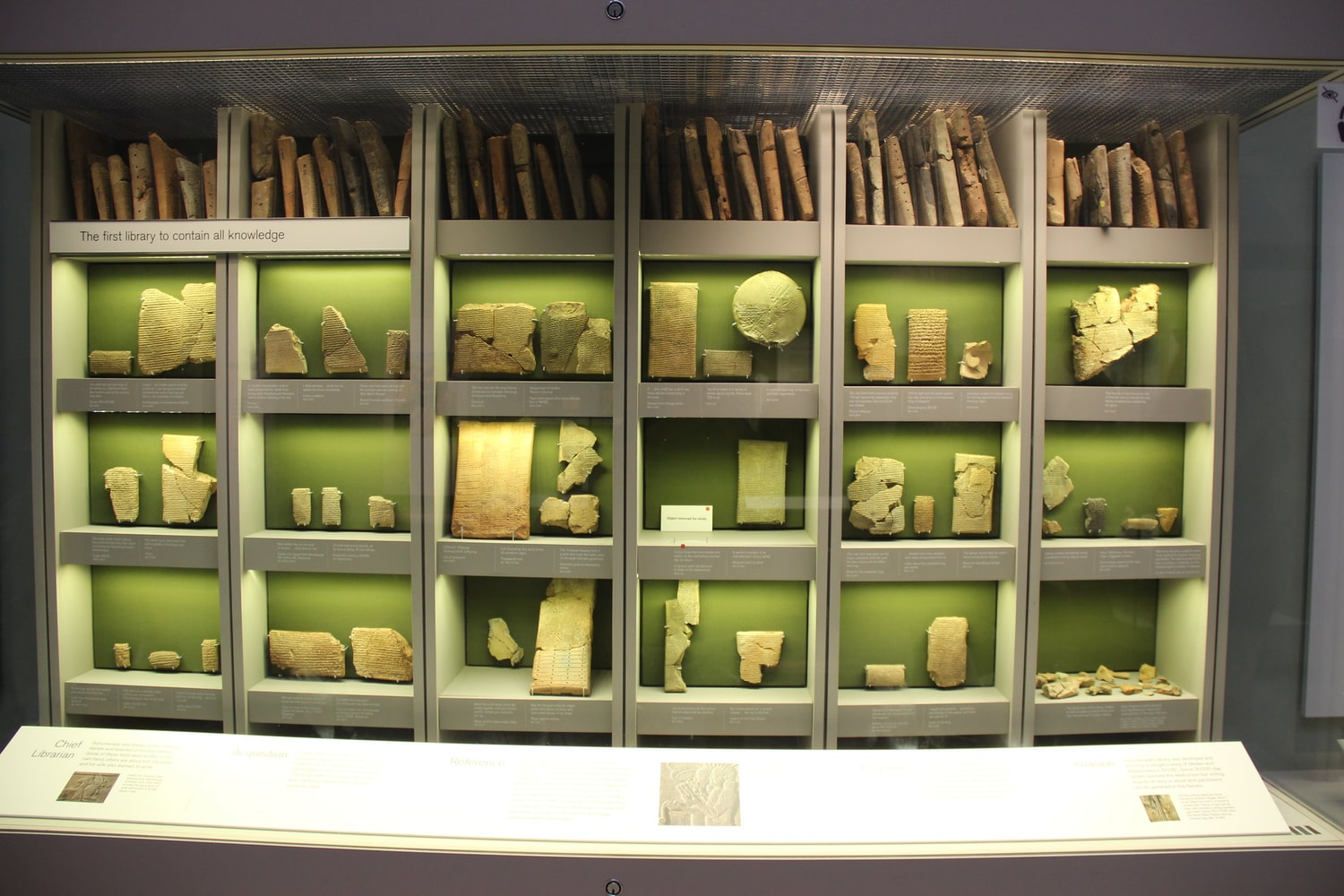
Who knows what lurks deep down in the dark waters of our oceans? Sometimes, we stumble upon some pretty incredible finds. Long-forgotten sunken ships and super-sized marine life. Troves of treasure from swash-buckling pirates. Entire ancient cities? With so much of our oceans still unexplored, it should come as no surprise that we often find some pretty surprising things. But not all underwater discoveries are created equal. So let’s ‘dive in’ to the 15 Most Incredible Underwater Discoveries.
12 Most Mysterious Archaeological Finds
What’s the best kind of archaeological discovery? Is it one that we can understand just by looking at it, or is it one that comes with a sense of mystery and wonder? For many people, it’s the latter. The human mind loves few things more than a mystery, and we have a fabulous collection of ancient and mysterious archaeological discoveries waiting for you in this video!

This Is Ethiopia: The Country Frozen In Time
In the video below we will discover Ethiopia, one of the most intriguing and unique countries in Africa and on the planet. From the heart of the Horn of Africa emerges this nation of ancient tales, stunning landscapes, and unparalleled cultural diversity.
Delving into Ethiopia's history is to travel through times when powerful emperors and ancient traditions reigned. It is the land that saw the birth of humanity, in places like the Omo Valley. Ethiopian geography offers everything from highlands to vast geological faults. With mountains and deserts, this country boasts a wide variety of climates and landscapes.
In Ethiopia, over 80 ethnic groups live, each with its own language, culture, and traditions. These ethnic groups, with their dances, music, and rituals, represent the wealth and diversity of the country's human heritage. And, of course, we cannot forget the natural wealth contained within its parks and reserves. You'll find species of animals that inhabit Ethiopian territory exclusively.

The Rise and Fall of The Ottoman Empire
The Ottoman Empire, which lasted for over six centuries, was a powerful Islamic-run superpower known for its military strength, ethnic diversity, and achievements in arts and architecture. It originated as a small beylik in Anatolia, which eventually expanded to include regions such as Turkey, Greece, Egypt, Hungary, and parts of North Africa. The empire's most glorious period was under the reign of Suleiman the Magnificent, who was a brilliant military commander, religious leader, and political ruler. During his reign, the Ottoman Empire expanded towards Eastern Europe and invaded several big cities.
Under his rule, the Ottomans attained considerable accomplishments in domains of politics, law, culture, science, mathematics, engineering, philosophy, medicine, literature, and economics. Notable achievements during this period included the development of a secular legal system called kanun, the construction of elaborate mosques and public buildings, and advancements in the field of vaccination. The Ottomans were also pioneers in the field of science, with a sound knowledge of advanced mathematics, astronomy, philosophy, physics, geography, and chemistry. The Ottoman Empire's legacy has exerted enormous influence on countries in the region and around the world.
The Phantom Pharaoh
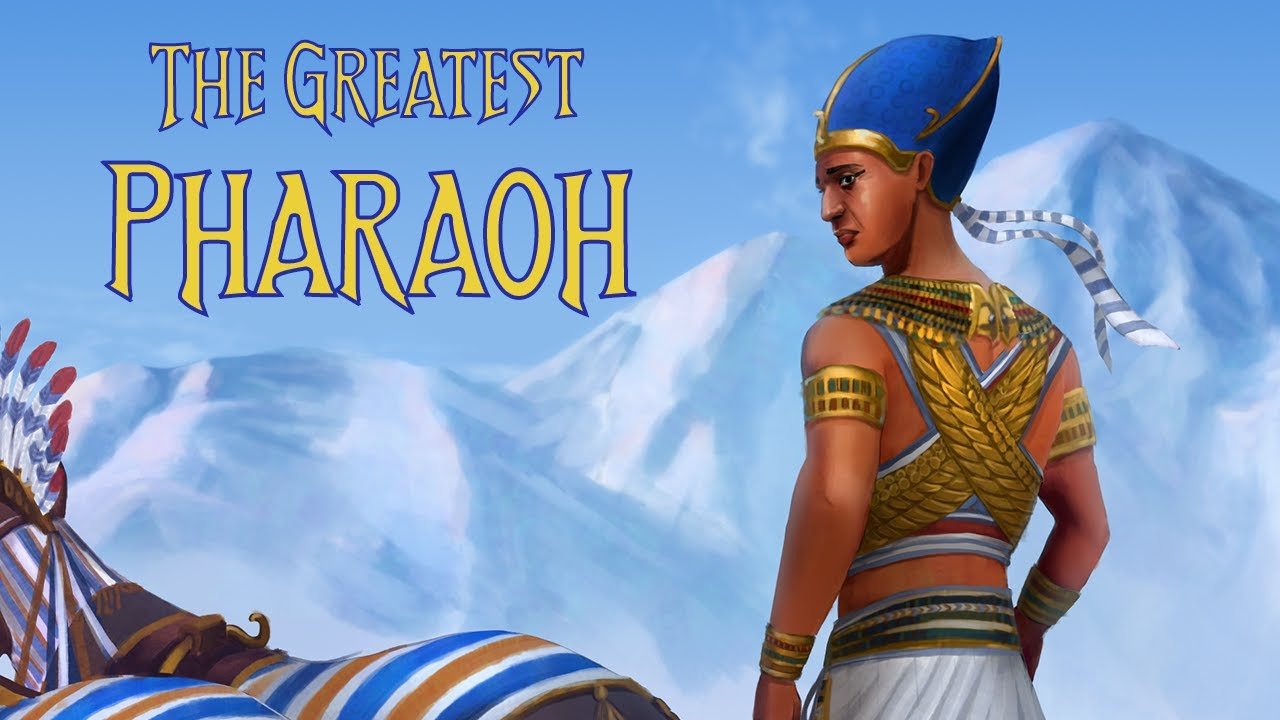
In this video, the host examines the claims made by the ancient Greek historian Herodotus about the legendary Pharaoh Casis, who ruled Egypt over 15,000 years ago. Herodotus claimed that Casis was the greatest king of Egypt, who conquered vast territories in the Arabian Peninsula, Syria, Palestine, Anatolia, and Ethiopia. He left pillars and stone monuments in the lands he conquered inscribed with his name and the assertion that he had vanquished them. Herodotus encountered some of these pillars during his travels, and many still exist in Palestine and Syria.
However, Herodotus's account of Casis's reign is hazy and vague, and little is known about the extent of his conquests. Nevertheless, the host argues that Herodotus's description of Casis's achievements is impressive, considering the technology and resources available in ancient times, and that his legacy is still visible in the relics scattered across the known world.

Dumb Things That Were Normal in Ancient Greece
The article explores the strangest traditions and practices of ancient Greece, including their athletic competitions and medicine. The athletes would lather themselves in oil before competitions and afterward, a group of peasants would collect the sweat, filth, and dead skin off their bodies and sell it as medicine. The lack of understanding of human ailments and the absence of definite cures in medicine is highlighted, with examples such as doctors eating ear wax and women being prescribed cattle excrement.
Even the philosopher Heraclitus, who had ideas that sit well with current knowledge of the universe, died in a bizarre way when he covered himself in cow dung to cure his dropsy, but ended up immobile and was eaten by wild dogs. The article also touches upon the strange tradition of throwing undergarments at leaders, with the tyrant Draco being so beloved that Athenians would rip off their tunics and throw them at him. These traditions and practices may seem bizarre and disgusting to modern sensibilities, but they offer a glimpse into the cultural and historical context of ancient Greece.

Who Wrote the Bible? - The Documentary Hypothesis
The Pentateuch, also known as the Torah, is the first five books of the Bible that cover the creation of the world, the ancestors of Israel, the life of Prophet Moses, and the laws revealed to him by God. Traditionally, it is believed that Moses wrote the Pentateuch under God's guidance, but there are issues with this idea. There are several narrative quirks, including doublets and contradictions, that put the whole idea of a single author into question. Theologians have tried to reconcile this problem with their beliefs regarding the authorship and authority of the Bible.
In the wake of the European Enlightenment, many biblical scholars rejected divinely inspired Mosaic authorship, and instead turned to source criticism. A consensus emerged that the Pentateuch was actually the work of multiple authors, each recording versions of traditional legends from their time and place. The most prominent model for the composition of the Pentateuch is the documentary hypothesis, which identifies four distinct voices throughout the text, each with their own narrative threads and other stylistic and thematic features that distinguish them from one another.

The Huns - Introduction to their Origin, Culture, Trade, Warfare and Religion
The Huns were a fierce nomadic tribe that appeared in the northern black sea region in around 370 AD. They were considered the worst of the savages the Romans had ever seen, with their barbaric ways and savage appearance. At their peak in around 450 AD, they controlled a vast area from the Volga River to the Rhine River, striking terror into the hearts of both the Eastern and Western Roman Empires. The origins, culture, and ultimate legacy of the Huns continue to captivate the imagination of both historians and enthusiasts, with endless debate surrounding their identity and where they came from.
While recent historians have shown scepticism about the Hun-Xiongnu connection, evidence suggests a strong connection between the two tribes. A letter written by a Sogdian merchant in 313 AD refers to the Xiongnu as "Huns," and the translations of two ancient Buddhist sutras identify "the Huna" as a specific political entity adjacent to China. The Hunnic Cauldrons, one of the key archaeological markers of Hunnic presence, were derived from Xiongnu cauldrons of the Inner Mongolian region. While the Huns and Xiongnu shared similar religious and cultural practices, their ethnic and genetic relationship remains unclear, as they were both heterogeneous political categories rather than distinct ethnic groups.

Ancient Egypt's Mega Fortresses
Monumental fortresses built during the Bronze Age in Egypt to wage war against the Nubians of the south were of immense size and complexity. Sadly, many of these landmarks have been lost to the ravages of time and the rising waters of the Aswan Dam. However, exploring the true size of the Buhen Fortress brings its glory to life. The traditional borders of Egypt were the western desert, the northeastern Sinai, and the first cataract of the Nile. Each of these locations provided natural barriers that had served to organically partition the region. Yet as civilizations expanded, they began to spill over these frontiers.
Thus, it was in the interest of those who controlled the fertile Nile to reinforce their domains with man-made defenses. This would happen most prominently in the transitory region of the upper Nile, which was marked by a series of cataracts that served to limit efficient modes of water travel. To the north, the Pharaohs of Egypt had consolidated their holdings over the course of centuries, which spanned the long history of the Old, Intermediate, and Middle Kingdom periods. To the south, meanwhile, the various leaders of Nubia had done much the same. Theirs was a land rich in livestock, precious metals, and trade routes into the African interior that spawned its own glorious civilization.

Scientists Uncover Strange Truth About Where Humans Really Came From
Scientists at the Garvin Institute of Medical Research in Sydney, Australia, believe they have discovered the birthplace of humanity, which they say is a region in southern Africa within what is now the Kalahari Desert. They collected over 1,200 DNA samples from indigenous communities in southern Africa, with the aim of isolating the zero lero lineage, which carries back to mitochondrial eve, the earliest common ancestor of humanity. They traced this lineage to a region in Botswana that was formerly known as Lake magati, a rich wetland that provided early humans with a fertile environment for growth and sustainability.
The scientists believe that Homo sapiens first emerged in this region around 200,000 years ago. However, not everyone is convinced that the findings are definitive, as there are other theories about the origins of humanity that remain widely accepted among scientists. The out-of-Africa theory, for example, proposes that humans migrated from Africa and replaced existing populations, while the multi-regional hypothesis suggests that early humans originated in a single location and then migrated across the globe, mixing with existing populations.

Napoleonic Artillery Tactics
This video provides an overview of artillery tactics during the Napoleonic Wars, focusing on field artillery and excluding siege and fortress artillery. The primary type of artillery used during this period was cannons, with howitzers being relatively new and used primarily for siege warfare prior to the Seven Years War. Howitzers were able to fire explosive shells called "Common Shell," which cannons were not typically used for.
The primary ammunition used by all armies was roundshot, used against fortifications, people, and equipment. The common shell was a hollow-cast shell filled with a bursting charge, which could be used similar to a roundshot but was also a psychological threat since the charge inside it could detonate even after losing kinetic energy. Mortars were primarily used in siege operations and rarely in open field battles. Moving the heavy artillery required horses, with a British Royal Horse Artillery 6-pounder troop in 1813 requiring a total of 185 horses and mules.

The Geography of Medieval Greenland
Greenland was a strange and fascinating place in medieval times, home to two radically different communities living at the edge of a 12,000-foot tall ice sheet. The story behind these two communities is not as simple as we are often told. According to the Icelandic sagas, in 986 AD, Icelandic Norse communities had settled Greenland, but of the 25 ships that sailed from Iceland to Greenland after its discovery by Eric the Red, only 14 safely arrived.
It is extraordinary that Iceland and Greenland were settled by ships from the east, given the brutal conditions of the North Atlantic, which has a near constant barrage of tall waves due to a persistent low-pressure system called the Icelandic low. Most of Greenland's modern population lives on the west coast, as the southeast coast gets buried in snow due to the Icelandic low. Pittorak winds, which are a common feature of Greenland, capsize ships and blow snow from high elevations, burying anyone on the shore. The Norse adapted to a world much harsher than the one they left, shifting their priority to hunting.

Monumental Statues & Insights from Karahan Tepe & Göbekli Tepe 9400-9600 BC
Archaeologists working on the Tasta Stone Hills project in southeast Turkey have discovered two remarkable statues at the Karahan Tepe site, which dates back to 9,400 BC. The first statue is the world's earliest example of a realistic human depiction, measuring 7' 6" tall and featuring a strong, wide v-neck motif and clear ribs carved with a square, raised protrusion between the ribs. It has arms coming down its side holding the area around his phus and is similar in style to the Bical statue, which dates to 10,300 years old.
The second statue is of a vulture, a bird that was the ultimate symbol of birth, death, and rebirth among the pre-pottery and later ceramic Neolithic peoples of Anatolia. The enclosure where the statues were found appears to be oriented to around 20° east of the north, based on the position of the port hole stone, which is currently being analyzed by archaeologists. The enclosure's alignment is with the rising of the northern opening of the Milky Way's dark rift, marked by the stars of Signus and, in particular, the bright star Denb.

Featured Image Credit: Edwin Remsberg/VWPics/Universal Images Group/Getty Images/ YouTube / Ancient Finds
How Did Ancient Egyptians Move Monumental Stones?
The construction of the pyramids at Giza has long been shrouded in mystery, leaving historians and archaeologists perplexed about how the ancient Egyptians managed to move massive stone slabs to build these architectural wonders. However, a recent breakthrough by a group of researchers may have unraveled this age-old mystery. Contrary to speculative theories involving aliens or otherworldly technology, the solution lies in a clever use of the environment around them.
The Great Pyramid of Giza alone comprises over 2.3 million blocks of limestone and granite, each weighing at least two tons. Constructed nearly 4,500 years ago, the method of transporting these colossal stones has confounded experts for centuries. The recent revelation, however, suggests that the ancient Egyptians harnessed the power of the Nile River to move these massive slabs across the desert.

The pyramids at Giza have puzzled historians for centuries. Credit: Edwin Remsberg/VWPics/Universal Images Group/Getty Images
Discovery Through Environmental Clues
A team of researchers embarked on a quest to prove this theory by testing fossilized soil samples from the Giza floodplain. The samples were meticulously analyzed in a lab in France for pollen and vegetation indicative of the Nile region, providing evidence of the existence of an ancient waterway. This discovery, named the Khufu Branch, is believed to have facilitated the transportation of the stone slabs to their final destination before drying up around 600 BC.
Archaeological Labor and Ancient Texts
The excavation process was no small feat, requiring archaeologists to dig up to 9 meters (30 feet) deep to capture thousands of years of Egypt's history. The discovery, however, was not solely based on physical evidence. An ancient text, a parchment fragment found in the Red Sea, played a crucial role in inspiring the researchers. The fragment recounted the journey of an official named 'Merer,' who transported limestone up the Nile to the construction site in Giza. This historical account aligned with the newfound environmental evidence, confirming the use of water transport in the construction of the pyramids.
Environmental Geographer Hader Sheisha, commenting on the discovery, emphasized that it would have been 'impossible' to construct the pyramids without utilizing this tributary. The study not only uncovered the Khufu Branch but also identified 61 species of plants, providing further insights into the environment surrounding the construction site.

Their research was backed by an ancient text. Credit: YouTube / Ancient Finds
Implications for Future Research
The discovery of the ancient waterway is a significant leap forward in understanding the logistics behind the pyramid construction. It also opens avenues for further research into related mysteries, such as the methods employed to hoist the stone blocks. As environmental geographer Hader Sheisha pointed out, delving deeper into the environmental aspects could help unravel more secrets surrounding the construction of the pyramids.
The age-old mystery of how the Egyptians moved pyramid stones has taken a significant step toward resolution with the discovery of the Khufu Branch. This revelation not only debunks fanciful theories but also showcases the ingenious use of the natural landscape by the ancient civilization. As researchers continue to unearth the secrets of the pyramids, we may soon have a more comprehensive understanding of one of the world's greatest architectural wonders. The ancient Egyptians' ability to harness the power of their environment stands as a testament to their engineering prowess and resourcefulness.

Do We Still Have Ape Brains?
In 1974, a conflict broke out between two factions of chimpanzees in Tanzania's Gombay National Park, resulting in the wiping out of one entire community. Jane Goodall, who had been studying these chimpanzees for years, remarked that the conflict revealed that chimpanzees, like humans, can be brutal and have a dark side to their nature. Living in complex hierarchical societies, chimpanzees use violence, cunning, and deceptive behaviors to attain and maintain social dominance. They are also capable of great empathy and have a strong sense of morality, similar to humans. As science delves deeper into our evolutionary past, it raises the question of how similar our brains are to those of our ape cousins. Are we little more than bipedal apes, driven by an intrinsic pull towards power dynamics and social manipulation, brutal warfare, and craving for territory, all echoes of our evolutionary heritage?
Prior to the 19th century, the majority of the Western populace believed that the world was static, with everything having an essence and set of defining characteristics that would never change. It was only with the onset of the Industrial Revolution and a period of unprecedented scientific discovery that a revolution in our knowledge of life on Earth would occur. Alfred Russell Wallace, who independently conceived the notions of species evolution and natural selection, along with Charles Darwin, published their ideas, backed by extensive research and fieldwork, which led to our understanding that we humans are not separate but an intrinsic part of the animal kingdom.

How One Line in the Oldest Math Text Hinted at Hidden Universes
Euclid's "Elements" is one of the oldest math books, with 13 books covering almost all of mathematics known at the time, including geometry and number theory. The book relies on five postulates, including the controversial fifth postulate, also known as the Parallel postulate. Mathematicians were skeptical of this postulate for over 2,000 years, as it seemed like a mistake, and many tried to prove it from the first four postulates.
However, all they managed to do was restate the postulate in different words. Eventually, mathematicians like al-Haytham and Omar Khayyam tried a different approach, proof by contradiction, assuming that the fifth postulate was false, then using those new postulates to prove theorems. If that led to a contradiction, then the new fifth postulate must be wrong. Slight tweaks to this line opened up strange new universes out of nothing, which are now core to understanding our own universe. Euclid's method of using simple postulates and building up math using logic is the gold standard for rigorous mathematical proof that all modern math relies on.
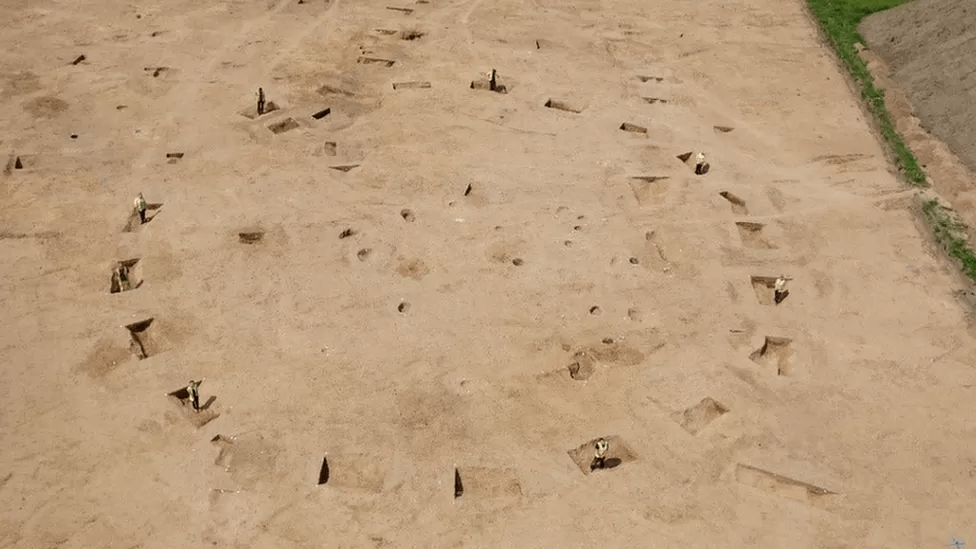
Archaeologists stand in excavated sections of the henge monument ditch
Henge Monument and Roman Kilns Discovered in Nottinghamshire Housing Dig
In a groundbreaking archaeological revelation, the Middlebeck housing site near Newark, Nottinghamshire, has unveiled remnants of a henge monument and a Roman pottery center, casting a spotlight on a rich history spanning over 12,000 years. Oxford Archaeology spearheaded the survey, unearthing 73 exceptionally well-preserved Roman kilns, elevating this site to national importance.
The Middlebeck housing development, sprawling over 694 acres as an urban extension south of Newark, has undergone intense scrutiny by archaeologists determined to unveil the historical tapestry beneath its soil. The findings offer a captivating glimpse into the diverse human activities that have unfolded in this area over millennia.
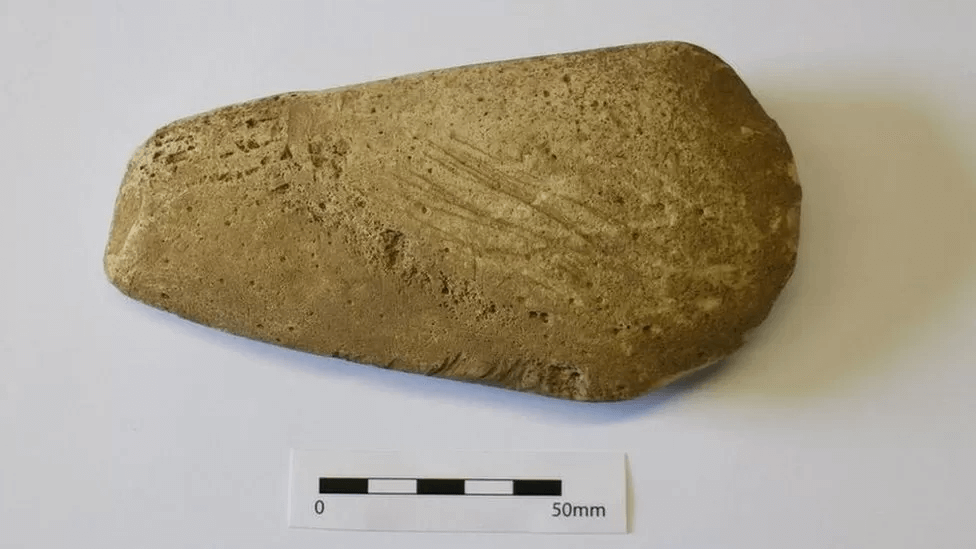
A stone axe head may have been kept and reused for about 3,000 years
Prehistoric Enclosure (circa 3,300 BC)
The initial major discovery was a circular ditch with upright timbers dating back to around 3,300 BC. Positioned near a spring, the enclosure featured internal posts and pits, possibly forming concentric arcs of upright timbers, suggesting cultural and religious significance for prehistoric communities.
Polished Stone Axe Head (Langdale, Cumbria)
An intriguing find was a polished stone axe head from Langdale, Cumbria, likely contemporaneous with the enclosure. Significantly, this axe head was buried alongside Iron Age pottery, indicating its reuse as a whetstone over approximately 3,000 years. This suggests the object was valued and passed down through generations.

The kilns represent a significant - and previously unknown - Roman production centre
Bronze Age Cremation Burials and Iron Age Farming Community
The site also yielded 35 cremation burials from the Bronze Age, necklace beads, and evidence of a substantial Iron Age farming community. These findings highlight the enduring human presence in the area and the evolution of cultural practices over time.

Beads from a cremation burial indicate influences from continental Europe dating to around 1,800 BC
Roman Kilns and Pottery Production Center
Perhaps the most significant revelation was the discovery of 73 Roman kilns, accompanied by a vast quantity of related pottery. Described as "remarkably well-preserved," these kilns indicate the existence of a previously unknown Roman pottery production center of regional, if not national, importance. This find challenges previous assumptions about the extent of Roman industrial activity in the Newark area and the broader Midlands region.
The archaeological dig at Middlebeck has unraveled a tapestry of human history spanning from prehistoric times to the Roman era. The discovery of a henge monument, Roman kilns, and evidence of continuous human habitation reinforces the historical significance of Nottinghamshire. As development progresses, the challenge lies in balancing the preservation of these ancient wonders with the needs of the modern community. The Middlebeck excavation serves as a reminder that beneath our feet lies a treasure trove of stories waiting to be unearthed.

Archaeologists Open 2,000-Year-Old Giant Black Sarcophagus and Discover Something Gruesome
In a move that seems straight out of a Hollywood script, archaeologists from Egypt's Ministry of Antiquities recently opened a 2,000-year-old giant black sarcophagus in the Sidi Gaber district of Alexandria. This monumental find, measuring an impressive 2.5 meters (almost nine feet), marks the largest sarcophagus ever discovered in this region. Despite the ominous warnings one might draw from films like The Mummy, the archaeologists delved into the mysterious depths of history, unveiling a rather unexpected and gruesome discovery.
Dating back to Egypt's Ptolemaic period (323-30 BCE), the time span between Alexander the Great's demise and the Roman invasion, the granite sarcophagus bore witness to centuries of undisturbed history. A layer of mortar between the lid and the sarcophagus body hinted at its untouched state until the recent archaeological venture.

Archeologists opened up a 2,000-year-old sarcophagus that was found in the Alexandria region of Egypt. Credit: Ministry of Antiquities
The Unveiling
Contrary to fears of unleashing curses or supernatural forces, no malevolent spirits emerged upon opening the ancient coffin. Instead, a pungent odor filled the air as the archaeologists were met with an unexpected sight – the sarcophagus was filled with sewage, possibly seeping in from a nearby road. The overpowering stench forced the team to temporarily retreat, allowing the ancient chamber to air out for an hour before further investigation.
Within the murky sewage lay three skeletons, initially identified as male by Shaaban Abdel Moneim, a specialist in the study of mummies and skeletons. While their exact roles remain speculative, experts suggest the occupants were likely officials, possibly military figures or even a priest. Notably, the absence of inscriptions on the sarcophagus ruled out the possibility of it belonging to a king or emperor.

Inside the coffin, they found a sludgy mess. Credit: Ministry of Antiquities
Next Steps: Restoration and Investigation
The skeletons, shrouded in mystery, are set to undergo restoration and in-depth examination at the Alexandria National Museum. Specialists aim to unravel the circumstances surrounding their demise and approximate the era in which they lived. Although the lack of inscriptions limits the identification of the sarcophagus owner, the discovery poses a tantalizing opportunity to piece together forgotten chapters of history.

Three skeletons that were found in the sarcophagus will be removed and investigated by experts. Credit: Ministry of Antiquities
Challenges Ahead
Extracting the colossal sarcophagus from its ancient resting place presents a formidable challenge for the archaeologists. Waad Abul-Ela, the head of the Projects Sector at the Ministry, outlined a meticulous two-part process for this delicate operation. First, the area surrounding the sarcophagus will be filled, and subsequently, a tow truck will lift it in a scientifically precise manner, ensuring the preservation of this invaluable antiquity.
The opening of the 2,000-year-old giant black sarcophagus in Alexandria has stirred both fascination and intrigue. As archaeologists tread carefully through the layers of history, the skeletons within offer a glimpse into a bygone era. Despite the lack of royal insignia, the potential revelations about the lives and deaths of these ancient occupants promise to enrich our understanding of Egypt's enigmatic past. The giant black sarcophagus, once a silent witness to the passage of time, now beckons the modern world to unravel the mysteries concealed within its imposing exterior.

Who Was Baal?
In this video we will discuss the concept of theophoric names, which are names that bear the name of a god. Examples of theophoric names include Christian and Christopher, which both relate to the Christian God, and Marcus and Martin, which relate to the Roman God of War, Mars. We will explore the theophoric names related to Yahweh, the Hebrew God, such as Isaiah and Jeremiah.
We will discuss the use of the name Baal in the Bible, which was a god worshipped by some Israelites, and highlight that not all uses of the name Baal were negative, as some important figures in the Bible, such as Gideon, had theophoric names related to Baal.
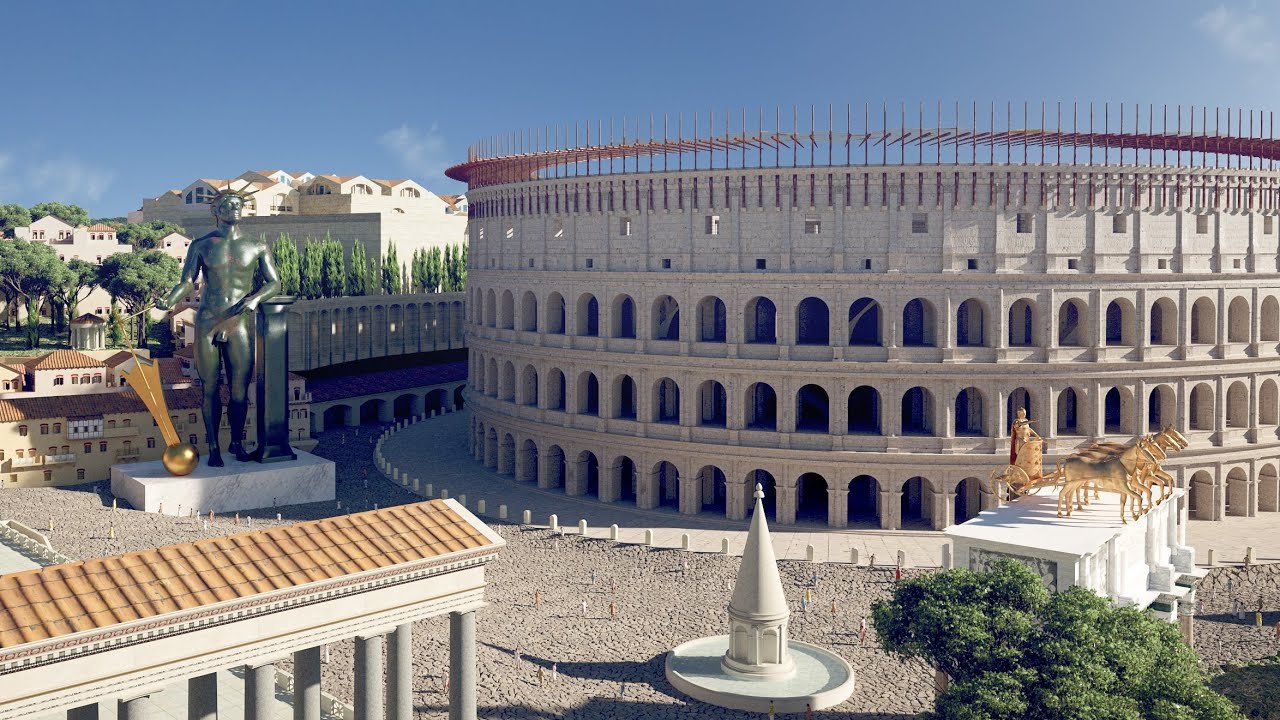
Ancient Rome Reborn Through Virtual Reality
A new virtual reality project called Flight Over Ancient Rome has been launched, allowing users to explore the city of Rome during the reign of Constantine. The project is the work of Professor Bernard Frischer, director of Rome Reborn, which uses 3D modeling and virtual reality to create accurate representations of ancient Rome.
The Flight Over Ancient Rome project takes users on a virtual tour of the city, including the Coliseum, the Monumental Temple of Venus and Rome, the Basilica of Maxentius and Constantine, the Temple of Annona, the Roman Forum, the Temple of Saturn, the Capitoline Hill, and the Circus Maximus. The virtual tour is based on top research and academic studies by an international advisory committee. The app is available for Windows, Mac, iOS, and Android and is free for one week. The project offers users a unique opportunity to explore ancient Rome in a way that is both accurate and immersive.