• MAIN PAGE
  • LATEST NEWS
    • Lost Cities
    • Archaeology's Greatest Finds
    • Underwater Discoveries
    • Greatest Inventions
    • Studies
    • Blog
  • PHILOSOPHY
  • HISTORY
  • RELIGIONS
    • Africa
    • Anatolia
    • Arabian Peninsula
    • Balkan Region
    • China - East Asia
    • Europe
    • Eurasian Steppe
    • Levant
    • Mesopotamia
    • Oceania - SE Asia
    • Pre-Columbian Civilizations of America
    • Iranian Plateau - Central Asia
    • Indus Valley - South Asia
    • Japan
    • The Archaeologist Editor Group
    • Scientific Studies
    • Aegean Prehistory
    • Historical Period
    • Byzantine Middle Ages
    • Predynastic Period
    • Dynastic Period
    • Greco-Roman Egypt
  • Rome
  • PALEONTOLOGY
  • About us
Menu

The Archaeologist

  • MAIN PAGE
  • LATEST NEWS
  • DISCOVERIES
    • Lost Cities
    • Archaeology's Greatest Finds
    • Underwater Discoveries
    • Greatest Inventions
    • Studies
    • Blog
  • PHILOSOPHY
  • HISTORY
  • RELIGIONS
  • World Civilizations
    • Africa
    • Anatolia
    • Arabian Peninsula
    • Balkan Region
    • China - East Asia
    • Europe
    • Eurasian Steppe
    • Levant
    • Mesopotamia
    • Oceania - SE Asia
    • Pre-Columbian Civilizations of America
    • Iranian Plateau - Central Asia
    • Indus Valley - South Asia
    • Japan
    • The Archaeologist Editor Group
    • Scientific Studies
  • GREECE
    • Aegean Prehistory
    • Historical Period
    • Byzantine Middle Ages
  • Egypt
    • Predynastic Period
    • Dynastic Period
    • Greco-Roman Egypt
  • Rome
  • PALEONTOLOGY
  • About us
No results found

The Extinct Animals of Ancient Rome: 5 Mysterious Animals Decimated by the Roman Empire

November 21, 2023

The Barbary lion was once the most powerful and magnificent of its kind, with a presence that commanded respect. However, the reasons for its extinction are many, including hunting, habitat loss, and disease. The most significant chapter of its tragic tale takes us back thousands of years to the heart of the Roman Empire and the famed Coliseum, where the Barbary lion became a symbol of power and brutality. The Romans thirst for Bloodshed led to a sinister form of execution known as damio Adas, where the condemned met their end in the jaws of beasts.

The Barbary lion wasn't just an executioner; it was also the prized opponent in benao, a staged hunt that pitted gladiator against beast. By the time the Roman Empire collapsed in the fifth century AD, the Barbary lion was already rare, and over the next few centuries, the situation only got worse. In the 19th century, European colonists arrived in North Africa, bringing guns and traps, and hunting the Barbary lion for sport and fur. By the early 20th century, the Barbary lion had been driven to extinction.

The 2000-Year-Old Harbor Found Buried Underneath Istanbul

November 21, 2023

Istanbul, the former capital of the Roman and Byzantine Empires, is now home to 17 million people, with at least one million commuters crossing the Bosphorus sea between Europe and Asia every day. In 2004, the Turkish government began work on an ambitious plan to connect the two continents by train, building the world’s deepest immersed tunnel under the Bosphorus.

However, the construction of the Marmaray transportation project, which will carry 75,000 passengers per hour in both directions, has been slowed by the city’s rich archaeological history. Engineers have discovered an immense archaeological site that spans 10 football fields, revealing Constantinople’s historic harbor that was lost from view for over 800 years, with 37 Byzantine shipwrecks dating from the 6th to the 11th century remarkably well-preserved. The artifacts uncovered so far have cost the transit system over $30 million and mounting. Archaeologists must work shoulder to shoulder with engineers to uncover the mysteries of Istanbul’s past before their unique window on history closes forever, with the transfer station already under construction.

Our Search for Scotland´s Lost Highland Trees

November 21, 2023

Scotland's Mountain Birch Woodland habitat is functionally extinct, with only isolated patches remaining. This has been caused by human-induced pressure, including changes in land use for agriculture and forestry, hunting of natural predators, and an increase in wild deer populations without natural predators to regulate their numbers. This has led to overgrazing and a lack of natural regeneration of trees. However, a new project aims to bring back this lost habitat by locating and collecting seed from isolated Mountain Birch trees above 600 meters. The project will grow these special trees in a nursery and reintroduce them to Scotland's mountains, mitigating the threats to the habitat.

The project is led by Gus from Reforest in Scot, who has a passion for Scotland's flora and has laid the foundations for the Mountain Birch project. Mountain Birch trees are different from Birch trees found at lower altitudes, as they have evolved genetics that can withstand the harsh conditions of growing on the hills. The trees are multi-stemmed and sprawling, with real character. The project aims to source seed from these trees, which will be integral to the success of the project.

A perfectly preserved spearhead, dating back more than 3,700 years, was discovered near Lublin, Poland, officials said. Photo from Tomasz Zielonka, UnSplash

A Glimpse into Poland's Mierzanowice Culture

November 21, 2023

In a small town near the Poland-Ukraine border, the echoes of an ancient civilization were brought to light as a rare Bronze Age spearhead, dating back over 3,700 years, was recently unearthed at a construction site in Lubycza Królewska. This 7-inch-long flint weapon, discovered with no visible signs of damage, provides a fascinating glimpse into the craftsmanship of the Mierzanowice culture, a society that thrived during the Early Bronze Age in Poland.

The discovery, made during the leveling of a construction site, has sparked excitement among archaeologists and historians alike. According to a November 14 news release from Science in Poland, the well-preserved artifact is believed to have been crafted between 1990 and 1750 B.C., making it an invaluable find for understanding the material culture and technological advancements of this ancient society.

Experts suggest that the spearhead was likely created by a skilled craftsman associated with the Mierzanowice culture. This society, largely known through its gravesites scattered throughout southeastern Poland, is characterized by a rich and complex culture. A 2019 study published in the Polish archaeological journal Sprawozdania Archeologiczne sheds light on the artifacts found in Mierzanowice graves, including shell beads, bone pendants, and ceramic vessels.

The gravesites, acting as windows into the past, hint at the cultural practices and beliefs of the Mierzanowice people. Typically, spearheads and other artifacts are discovered near these graves, possibly placed there as offerings for the deceased. The isolated discovery of this perfectly preserved spearhead at Lubycza Królewska is deemed unusual, as such artifacts are commonly found in conjunction with burial sites.

The well-preserved blade is about seven inches long, officials said. Photo from Science in Poland

The seven-inch-long blade, devoid of visible damage, hints at the expertise of the ancient craftsman who meticulously fashioned it. Much like a time capsule, this Bronze Age relic opens a door to the past, allowing modern researchers to explore the technological prowess, artistic skills, and societal customs of the Mierzanowice culture.

Following the discovery, the flint weapon is set to undergo additional analysis before finding a permanent home in a regional museum. The meticulous examination by experts will likely reveal more about the materials used, the craftsmanship involved, and the possible ceremonial or functional aspects of the spearhead.

This recent find adds to a series of archaeological discoveries that continue to unveil the mysteries of ancient civilizations. As we delve into the remnants of our past, each artifact serves as a piece in the intricate puzzle of human history, connecting us to the cultures and stories that have shaped the world we inhabit today.

A Bronze/Iron Age Discovery in Southwest Spain

November 21, 2023

In a groundbreaking archaeological revelation challenging established notions of gender and social roles in prehistoric societies, a team from Durham University has unearthed a remarkable Bronze/Iron Age stela at the 3000-year-old funerary complex of Las Capellanías in Cañaveral de León, Spain.

This ancient funerary slab, adorned with intricate carvings, challenges traditional interpretations of gender roles associated with such artifacts. The stela depicts a human figure with meticulous details, including a face, hands, feet, a headdress, necklace, two swords, and notably, male genitals. What sets this discovery apart is the presence of both "male" and "female" elements on a single artifact, defying the previous understanding that certain features exclusively represented a particular gender.

Before this find, archaeologists typically categorized stelae based on assumed gender roles, leading to a rigid interpretation of prehistoric societal structures. However, this unexpected discovery challenges these assumptions, prompting a reevaluation of the fluidity of social roles depicted by these ancient carvings.

Dr. Marta Diaz-Guardamino, co-director of the fieldwork project and a member of Durham University's Department of Archaeology, suggests that the newfound fluidity in gender representation on the stela may indicate a more nuanced understanding of the social dynamics of the time. The team posits that prehistoric societies might not have adhered strictly to conventional gender roles, opening up possibilities for more diverse and inclusive societal structures than previously imagined.

This discovery is particularly significant as it sheds light on the funerary rituals of the Bronze/Iron Age. The Las Capellanías funerary complex, where this stela was unearthed, has now yielded three such artifacts, offering archaeologists a wealth of information about burial practices and cultural customs of the era.

Equally intriguing is the location of Las Capellanías along what is believed to have been an essential natural pathway connecting major river basins. This geographical positioning suggests that these decorated stelae played a dual role as not only markers of cultural significance but also as territorial indicators along a communication highway of its time. This challenges the conventional view of stelae merely serving as markers for burial sites, expanding their significance into the realm of territorial demarcation.

The excavation, part of the broader Maritime Encounters project, saw collaboration between Durham University and the universities of Huelva and Seville. The team included a mix of undergraduate and postgraduate students, fostering interdisciplinary research and providing valuable hands-on experience for the next generation of archaeologists.

As we continue to unravel the mysteries of our ancient past, the discovery at Las Capellanías stands as a testament to the dynamic nature of prehistoric societies, urging us to reconsider and broaden our understanding of gender roles, social structures, and the multifaceted functions of cultural artifacts in shaping the narratives of bygone eras.

Earth's Magnetic Field Confirms Biblical Wars in Gezer

November 21, 2023

Archaeologists have embarked on a scientific journey to illuminate ancient mysteries, employing radiocarbon dating to validate events recounted in Biblical texts concerning the historic Levantine city of Gezer. In a groundbreaking study published in the PLOS ONE scientific journal, led by Lyndelle Webster from the Austrian Academy of Sciences, researchers delve into the cataclysmic changes that transpired in Gezer during the 13th to 9th centuries BCE. This research provides a revolutionary radiocarbon-based chronology for Tel Gezer, offering insights into historical events documented in Egyptian, Assyrian, and Biblical narratives.

Radiocarbon Dating Unveils Gezer's Past

Meticulously examining radiocarbon dates from 35 organic materials, predominantly seeds, discovered in various rock layers at Gezer, an archaeological site in Israel renowned for its significant role in ancient cultural and political events. This detailed analysis spans multiple destructive events and subsequent rebuilding episodes in the city, providing a unique chronology for Gezer.

Correlations Between Archaeology and Ancient Texts

The study seeks to independently verify correlations proposed between archaeological layers and events documented in written sources, particularly the Bible. Lyndelle Webster explains, "This allowed us to independently test whether the correlations that have been proposed between certain archaeological layers and events from written sources are feasible from a chronological point-of-view." The results unveil intriguing connections with certain Biblical events, such as the destruction of Gezer under the pharaoh Merneptah.

The first page of an 18th-century family Bible. A recently published study shows that radiocarbon dating correlates with some events referenced in the Bible.

Verification of Biblical Events

The findings confirm the accuracy of specific Biblical events, including the destruction associated with Merneptah and Shishak. Shishak, the first Egyptian king mentioned by name in the Bible, was linked to a destructive event that led to the fall of Gezer. The study suggests that most walls of the administrative building fell in the same direction (westward), buried in mudbrick debris, indicating a catastrophic event. Similarly, a destructive event associated with Merneptah aligns with the pharaoh's claim of conquering Gezer. The research presents a detailed dataset supporting specific correlations while challenging others.

Implications for Understanding Ancient History

This study's significance extends beyond Gezer, providing researchers with an independent source of absolute dates to better understand historical events in the region. The dataset facilitates the testing of proposed correlations between the archaeological record and ancient texts, contributing to a more accurate reconstruction of the past.

The fusion of archaeology and science, exemplified by the radiocarbon dating of Gezer's organic materials, continues to unveil the mysteries of ancient civilizations. This study not only provides a more accurate chronology for the events in Gezer but also challenges and refines our understanding of correlations between archaeological findings and historical texts. As researchers delve deeper into the past, the collaboration between archaeologists and scientists promises to unravel more secrets and rewrite history.

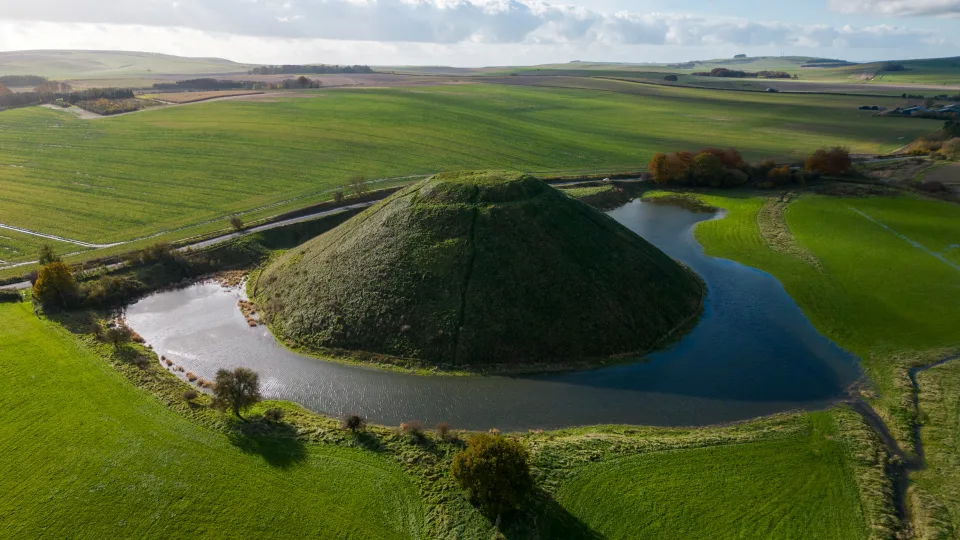
A moat has formed around the base of Silbury Hill in Wiltshire. (SWNS) (Tom Wren / SWNS)

Silbury Hill's Ancient Moat: Unveiling the Mysteries of a Prehistoric Monument

November 21, 2023

Silbury Hill, a 4,000-year-old prehistoric marvel located in Wiltshire, has recently undergone a fascinating transformation due to heavy rainfall. The downpours have given rise to a large horse-shoe shaped moat around the base of this ancient mound, creating a spectacle reminiscent of an ancient fort. As the largest artificial mound in Europe, Silbury Hill continues to perplex archaeologists with its enigmatic origins and purpose.

Standing at 40 meters, Silbury Hill forms an integral part of the Avebury World Heritage Site. Constructed from chalk, the purpose of this monumental mound remains largely unknown. Archaeologists speculate that it was built by hand, requiring a substantial workforce. Tim Daw, a local expert on ancient monuments, suggests that the moat might have been an intentional feature during its construction. He posits that when Silbury Hill was built, the water table was higher, possibly two to five meters more than the present level, resulting in more water in the vicinity.

The ground around the ancient monument has become soft and saturated. (SWNS) (Tom Wren / SWNS)

The Moat's Historical Significance

According to Win Scott, senior properties curator at English Heritage, the moat has been a recurring feature, known to form seasonally and naturally drain away over time. Scott explains that the water accumulation dates back at least 4,000 years and was partly created during the construction of the mound through the digging of turf and chalk. This insight suggests that the moat might have served a purpose related to the construction process or had symbolic significance for the ancient builders.

Weather's Impact on Silbury Hill

The recent moat formation is attributed to heavy rainfall, which is part of a broader weather pattern in the UK. The Met Office reports that the country experienced over a third more rain than the monthly average in October, making it the joint-sixth wettest October on record. Storm Babet, which occurred in mid-October, led to disruptions across the UK, contributing to the wet conditions. The impact of this weather is evident in the formation of the moat around Silbury Hill.

The horseshoe-shaped moat. (SWNS) (Tom Wren / SWNS)

Historical Context and Visitor Accessibility

Daw's suggestion that the original builders might have intended for a moat aligns with the cyclical nature of its formation. Historical records note flooding at the site in 2000, 2007, and 2013. Importantly, these periodic floods do not deter visitors from exploring or accessing the site. Despite the moat's temporary presence, Silbury Hill remains a remarkable testament to ancient engineering and continues to attract those eager to unravel its mysteries.

The recent formation of a moat around Silbury Hill adds another layer of intrigue to an already mysterious archaeological wonder. As researchers and archaeologists continue to explore the site, the seasonal moat serves as a reminder that, even after millennia, Silbury Hill continues to captivate and surprise, offering glimpses into the practices and intentions of its ancient builders. The evolving landscape around this prehistoric monument highlights the intersection of history, weather patterns, and the enduring allure of our ancient past.

The Volcanic Rock Shades and Colors in the Spring Fresco of Akrotiri

November 20, 2023

BY DIMOSTHENIS VASILOUDIS


The Vivid Palette of Akrotiri's Spring Fresco: A Testament to Bronze Age Artistry in Santorini

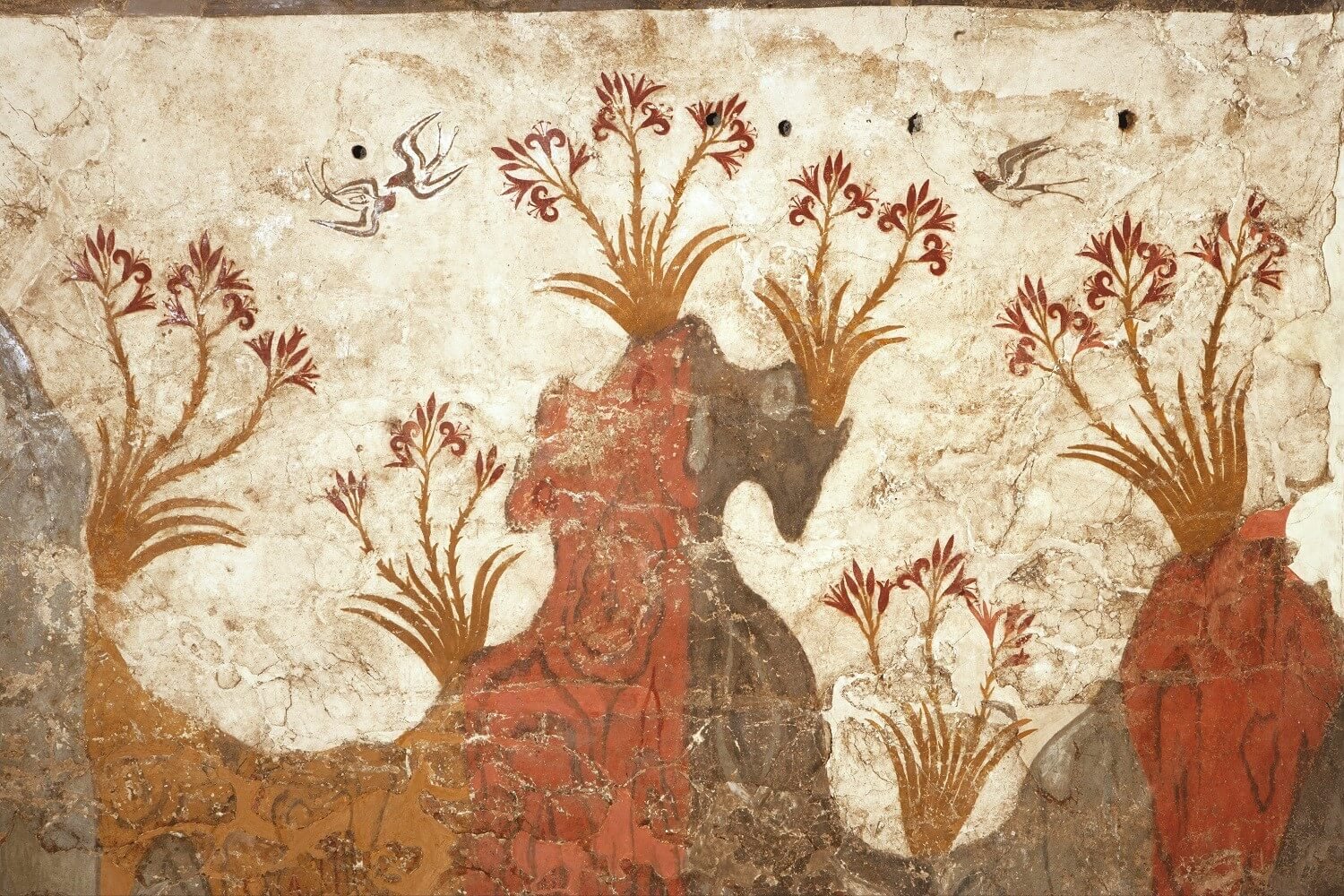
In the heart of the Aegean Sea lies Santorini, a Greek island renowned for its breathtaking landscapes and rich historical tapestry. Among its many wonders is the ancient site of Akrotiri, a Cyclado-Minoan Bronze Age settlement preserved under layers of volcanic ash. The Spring Fresco, discovered in Sector D of Akrotiri, stands as a vibrant testament to the artistic prowess and environmental awareness of the Minoan civilization.

The Palette of Nature: Volcanic Inspirations in the Spring Fresco

The Spring Fresco, dating back to the 17th century BC, captures the essence of Santorini's unique geological features. The mural's composition is a harmonious blend of vivid colors, mirroring the varied hues of the volcanic rocks that define the island's landscape. This artistic rendition is not merely a depiction of nature but an intricate tapestry woven from the very heart of Santorini's volcanic identity.

Red Beach of Santorini, Kevin Poh, flickr

Red Beach is just a stone's throw from Akrotiri and resides within the Kokkini Ammos area. The name derives not from the dark volcanic sands but from the dramatic backdrop of red, icon-rich cliffs.

A Symphony in Stone: The Colors of Santorini's Volcanic Rocks

Santorini's volcanic rocks present a kaleidoscope of colors, ranging from deep reds and burnt oranges to subtle yellows and striking blues or blacks. These colors are born from the complex geological processes that have shaped the island over millennia. Iron oxides lend the rocks their red and orange tints, while sulfur and other minerals contribute to the yellows and blues. The spring fresco masterfully renders these hues, showcasing the artist's keen observation and appreciation of the natural world.

Artistic Alchemy: The Technique Behind the Fresco's Colors

The artists of Akrotiri employed a fresco technique, applying pigments to wet plaster, allowing the colors to become an integral part of the wall. This method ensured the longevity and vibrancy of the mural. The pigments were derived from natural sources, with each color carefully chosen to reflect the island's volcanic palette. The reds and yellows were likely derived from ochres, while the blues may have come from copper-based minerals.

The Spring Fresco: A Canvas of Life and Nature

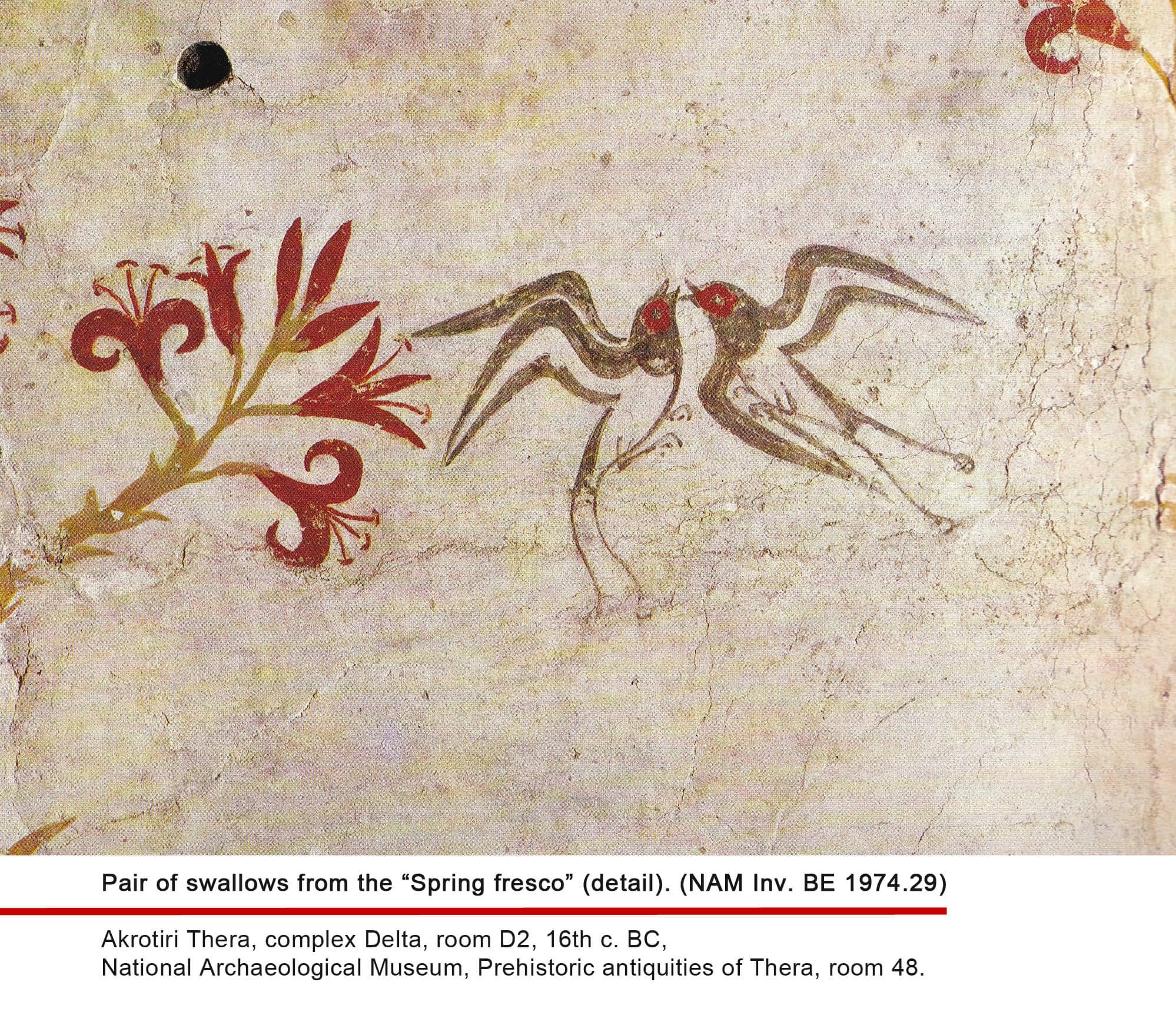
Beyond its geological accuracy, the Spring Fresco is a celebration of life and nature. It depicts a springtime scene filled with flora and fauna, bringing the outside world into the interior space. The mural's composition is dynamic and fluid, capturing the essence of rebirth and renewal associated with spring. This choice of subject matter reflects not only the artists' connection to their environment but also their understanding of the cyclical nature of life, mirroring the ever-changing landscapes shaped by volcanic activity.

The Legacy of Akrotiri's Artisans: Celebrating Human Creativity

The Spring Fresco of Akrotiri is more than a mere archaeological artifact; it is a timeless ode to human creativity and resilience. Through their art, the Bronze Age inhabitants of Santorini celebrated their environment, embraced its challenges, and immortalized their understanding of the world around them. The fresco stands as a reminder of the enduring beauty of human expression, transcending the boundaries of time and culture.

In conclusion, the Spring Fresco of Akrotiri is not just a remarkable piece of Bronze Age art; it is a vivid narrative painted in the colors of Santorini's volcanic rocks. It encapsulates the awe-inspiring interplay between nature and human creativity, serving as a testament to the enduring legacy of ancient civilizations and their profound connection to the world they inhabited. This masterpiece from the past continues to inspire and captivate, reminding us of the timeless beauty inherent in human artistry.

In Aegean Prehistory Tags Dimosthenis Vasiloudis

Hydraulic Innovation in Bronze Age Aegean: The Plumbing System of Akrotiri, Santorini

November 20, 2023

BY DIMOSTHENIS VASILOUDIS


Akrotiri's Legacy in Water Management: The Comprehensive Plumbing of Santorini's Akrotiri

The ancient site of Akrotiri on the island of Santorini, Greece, offers a fascinating glimpse into the advanced urban infrastructure of the Bronze Age. Among its most remarkable features is its sophisticated plumbing system, which highlights the ingenuity and technological prowess of the Cyclado-Minoan civilization. This system, encompassing toilets, drains, and water pipes, reveals a level of complexity and comfort that rivals many modern designs.

Advanced Water Supply Systems

At Akrotiri, archaeologists uncovered a highly advanced water supply network. Made primarily of terracotta or clay, these pipes bear a resemblance to those found in Knossos on Crete. However, Akrotiri's system stands out for its unique dual-piping structure. This double system, believed to have been used for delivering both hot and cold water, is a testament to the Minoan's innovative use of their natural environment. The nearby vast Thira volcanic system, with its abundant thermal energy, likely provided a natural source for hot water. This feature, possibly the earliest instance of a hot and cold water supply in history, illustrates a profound understanding of hydraulic engineering.

The Integration of Bathtubs and Municipal Water Supply

One of the most striking discoveries in Akrotiri was a large, actual bathtub found in one of the houses, indicating the importance of personal hygiene and comfort in Minoan culture. This bathtub, along with other residences, was connected to the municipal water supply, ensuring a steady flow of water for various household needs. The integration of individual bathing facilities with a communal water system speaks volumes about society's organizational skills and their prioritization of public health.

Prehistoric Site of Akrotiri, Santorini, Klearchos Kapoutsis

Innovative Sanitary Plumbing

The sophistication of Akrotiri's plumbing is further evidenced in its sanitary systems. In a notable departure from the crude cesspits common in Europe until the 19th century AD, Akrotiri featured an upstairs latrine in one of the houses, designed in line with Cycladic architectural principles. This latrine was connected to a terracotta drain line, which descended through the exterior wall and connected to the municipal sewage line. This design allowed for effective waste disposal and sanitation, a remarkable feat for its time.

The toilet seat, now hidden away in the museum in Fira, extended back into a framed indentation in the wall, with a masonry block in front providing a comfortable seating position. The slot in this block, serving as the toilet drain, is connected to channels within the wall, possibly for flushing water. This level of detail in sanitary design highlights an advanced understanding of hygiene and comfort.

Map of Akrotiri in the Bronze Age, ca. 1600 BC.

The plumbing system of Bronze Age Akrotiri is a striking example of early engineering excellence. The dual water supply system, integrating hot and cold water, the communal integration of individual bathing facilities, and the advanced design of sanitary plumbing all point to a society that was not only technologically advanced but also deeply concerned with the well-being and comfort of its inhabitants. These features, well ahead of their time, offer a window into the sophisticated urban planning and architectural prowess of the Cyclado-Minoan civilization, marking Akrotiri as a significant site in the study of ancient technologies.

In Aegean Prehistory Tags Archaeology's Greatest Finds, Dimosthenis Vasiloudis

Melting ice reveals hidden Viking artefacts

November 20, 2023

The Lendbreen ice patch in South Central Norway is a unique archaeological site where melting ice patches are revealing artifacts from up to 6,000 years ago. The site was used as a mountain pass since 200AD and has been a significant route for transportation in the Viking Age. The melting ice is exposing hunting equipment, textiles, and other objects that have been preserved in mint condition due to the lack of decomposition.

The artifacts are providing new insights into the importance of the mountains in the past and how people used them for travel and hunting. The finds include a 1,700-year-old tunic, the oldest garment in Norway, and the best-preserved pair of skis from history, which are 1,300 years old. The melting of the ice patches is due to climate change, and researchers estimate that they will be gone in the next 20 to 40 years. The rescue of these artifacts is a race against time, and researchers are working hard to save them for future generations.

The Most Unexplored Continent

November 20, 2023

A massive iceberg named A23A, which broke off from the Filchner Shelf Glacier in West Antarctica in September 1986, is now drifting in the Weddell Sea along the shores of Antarctica at a speed of over 150 km per month after decades of being grounded and turning into an ice island. This event serves as a reminder of the changes happening in the icy continent, and the possible consequences of melting ice.

If all of Antarctica's ice were to melt, the global sea level would rise by about 58 meters, causing densely populated coastal areas to disappear. However, Antarctica, which is the fifth largest continent, holds about 90% of the world's ice, and if it were to melt, it would release a large amount of fresh water, which is not abundant on Earth. Despite having the most water, Antarctica is considered a desert as it has the lowest precipitation levels on Earth. It is also home to the planet's largest glaciers, and contains about 26.5 million cubic km of ice, which weighs approximately 24 million 380,000 gigatons.

Ancient Technology & the Great Pyramid Basalt Pavement

November 20, 2023

The Basel pavement on the eastern side of the Great Pyramid in Giza is a popular talking point for those who believe in lost ancient high technology in ancient Egypt. The pavement consists of hard basalt stones that were used to pave Kufu Mortuary Temple's great court and is situated in a central position on the pyramid's eastern side. The temple had a black basalt floor, red granite pillars, and white limestone walls, which were likely adorned with colorful reliefs. The Basel pavement is a favorite topic for those who believe in a lost ancient high technology in ancient Egypt as it is a hard rock with specific cut marks on some of the rock faces, and it is unclear how it was cut and shaped. Basalt was initially used in Egypt for small vessels in the late pre-dynastic period and was first employed on a monumental scale in the Old Kingdom for pavements in numerous pyramid temples.

Basalt is an extrusive volcanic rock with a fine-grain crystalline texture that forms from rapid cooling of molten rock. Its composition differs from source to source, affecting its properties, including its hardness and durability. Natural outcrops of basalt weather quite quickly, making it easier to work but not give a good finish. The only basalt source where there is evidence of Old Kingdom quarrying on a grand scale is at the Jebel El katran geological formation in the northern fire around 58 km from Giza.

Aryan - A Term Lost in Translation: From Sanskrit to Modern Misconceptions

November 19, 2023

The Historical Complexity of the Term "Aryan"

In today's world, the term "Aryan" is often synonymous with notions of racial superiority and white supremacy, primarily due to its unfortunate association with Nazi ideology. This misunderstanding has led to a myriad of baseless concepts related to an alleged Aryan race, which have been hijacked and misused by racist ideologies. However, the true origins and historical context of the term "Aryan" reveal a far more complex and nuanced story.

The Pre-Nazi Origins of "Aryan"

To understand the term "Aryan" in its true historical context, we must look back to its origins, long before it became entangled with Nazi propaganda. The word "Aryan" initially referred to an ancient language whose speakers are believed to have influenced languages across the Indian subcontinent. It wasn't until the late 19th and early 20th centuries that it was erroneously equated with Germanic or Nordic peoples.

Who are the real Aryans?

Contrary to the misconceptions propagated by Nazi ideology, the earliest known Aryans dwelled in prehistoric Iran. These people migrated to northern India around 1,500 B.C. The term "Aryan" itself originates from the Sanskrit word "ārya," which also has a cognate in the Persian language, "ērān," giving rise to the modern-day name "Iran."

The Indus Valley Civilization

Before the arrival of the Aryans, the Indus Valley civilization had already reached a remarkable level of development. By 5500 BC, it had witnessed the emergence of religions, followed by the establishment of farming communities around 4000 BC and urban living around 2500 BC. The civilization reached its peak around 2000 B.C.

Arrival of the Aryans?

The Hindu Kush Mountains acted as a gateway for nomadic cattle herders from Central Asia, who were the Aryans, to settle in the fertile Indus Valley around 1500 BC. It's important to note that the Aryans were not unstoppable invaders but rather a group that gradually migrated to the region. Evidence suggests that the decline of the Indus Valley civilization was due to various factors, including environmental changes and social factors, rather than an Aryan invasion.

Diorama of everyday life in Indus Valley Civilization at the National Science Centre in Delhi, India. (Biswarup Ganguly / CC BY 3.0)

The Decline of the Indus Valley Civilization

Archaeological findings indicate that the decline of the Indus Valley Civilization began around 1800 BC, possibly due to changes in river patterns, such as the drying up of the Saraswati River or catastrophic flooding. Natural disasters disrupted the agricultural practices that sustained civilization, leading to economic and societal collapse. The Aryans arrived in the region during this period, and their language and practices gradually integrated into the existing society.

the Kingdom of Aryan

The historical records related to the Kingdom of Aryan are scarce and often vague. Ancient sources make passing references to the Aryans, but their accuracy remains uncertain. For example, the Greek historian Herodotus mentioned that the people of Media were once called Aryans, but scholars debate the credibility of this account.

Aryan in Ancient Religions

In Zoroastrianism, the term "Airyana Vaejah" refers to the mythical homeland of the Iranian people but does not carry racial or hierarchical connotations. Persian kings like Darius the Great were also described as Aryans, likely indicating their Central Asian origins. In this context, Aryan denoted adherence to one's dharma, a concept related to proper behavior rather than racial superiority.

German anthropologist, Bruno Beger, conducting anthropometric studies as part of his work with the Nazis in their “scientific” studies to prove the superiority of the “Aryan” German race, as opposed to that of the “racially inferior” Jewish race. (Krause, Ernst / CC-BY-SA 3.0)

Distorted by Nazi Ideology

The term "Aryan" went through a transformation from describing an Indo-Iranian language to being associated with Indo-European peoples. This transition gave rise to the false idea that these ancient European peoples originated from the north and conquered Eurasia. While modern scholarship has debunked this theory, the concept of the Aryan race was distorted and misused for political purposes, particularly by the Nazis.

The history of the term "Aryan" is a tale of complexity and misunderstanding. Its true origins lie in an ancient language and migration to the Indian subcontinent, far removed from the racial hierarchies perpetuated by Nazi ideology. By unraveling the historical complexities surrounding "Aryan," we can promote a more inclusive and equitable society that values diversity and rejects racist ideologies, learning from the mistakes of the past.

In Indus Valley, Central Asia-Iranian plateau Tags History

Çatalhöyük: Unraveling the Mysteries of an Ancient Proto City

November 19, 2023

Çatalhöyük, a remarkable archaeological site on the edge of the Konya Plain in present-day Turkey, stands as a testament to the ingenuity of our prehistoric ancestors. This ancient proto city, dating back to the Neolithic and Chalcolithic periods, provides a fascinating glimpse into the evolution of human society and its complex relationship with the environment.

The story of Çatalhöyük begins around 7100 BC during the Pre-Pottery Neolithic, a time marked by the development of pastoral complexes and increased reliance on animal domestication. The site consists of multiple urban centers, primarily Çatalhöyük East and Çatalhöyük West, featuring dense housing clusters built on alluvial clay mounds shaped over thousands of years of occupation.

Agriculture and Urbanization

As centuries passed, the inhabitants of Çatalhöyük transitioned from a nomadic lifestyle to skilled agriculture. Evidence points to the cultivation of cereals such as wheat and barley, ensuring a stable food supply throughout the year. The settlement evolved into a large egalitarian society, with a population ranging between 3,000 and 8,000 people.

Unique Urban Planning

The architectural layout of Çatalhöyük is distinctive, consisting of mud-brick square houses arranged in a cellular agglomeration covering an impressive 34-acre area. Unlike conventional cities, Çatalhöyük lacked streets or alleyways between structures. Inhabitants navigated their homes using a network of ladders across rooftops to reach entrances located at roof level.

Cyclical Life of Houses

Each house at Çatalhöyük was typically occupied for 80 years before being systematically disassembled. Portable items were removed, and the mud-brick and mortar debris from dismantled structures were crushed and repurposed as a consolidated foundation for new constructions. Archaeologists have identified eighteen levels of settlement, providing a chronological record of the city's development.

Cultural Practices and Rituals

Çatalhöyük reveals intriguing aspects of the inhabitants' cultural practices. Many of the deceased were buried below the floors and platforms inside houses. The internal architecture incorporated animal parts, such as skulls and horns, creating a unique blend of practicality and ritualistic symbolism.

The once-thriving Çatalhöyük was occupied until around 5700 BC, predating the emergence of the Bronze Age. The reasons for its abandonment remain subjects of scholarly debate. Some experts propose climate change as a contributing factor, while others suggest a decline in egalitarianism leading to internal strife and the breakdown of the micro-society.

Çatalhöyük stands as a captivating archaeological site that sheds light on the complexities of ancient human civilization. From its humble beginnings in the Neolithic period to its flourishing as a proto city, Çatalhöyük provides valuable insights into the adaptability and resilience of prehistoric communities. As ongoing research unveils more secrets buried beneath the layers of time, Çatalhöyük continues to be a focal point for understanding our shared human heritage.

The New Archaeological Museum of Sparta: A Modern Tribute to Ancient History

November 19, 2023

BY DIMOSTHENIS VASILOUDIS


Spartan Splendor Reborn: Sparta's New Pioneering Museum Project

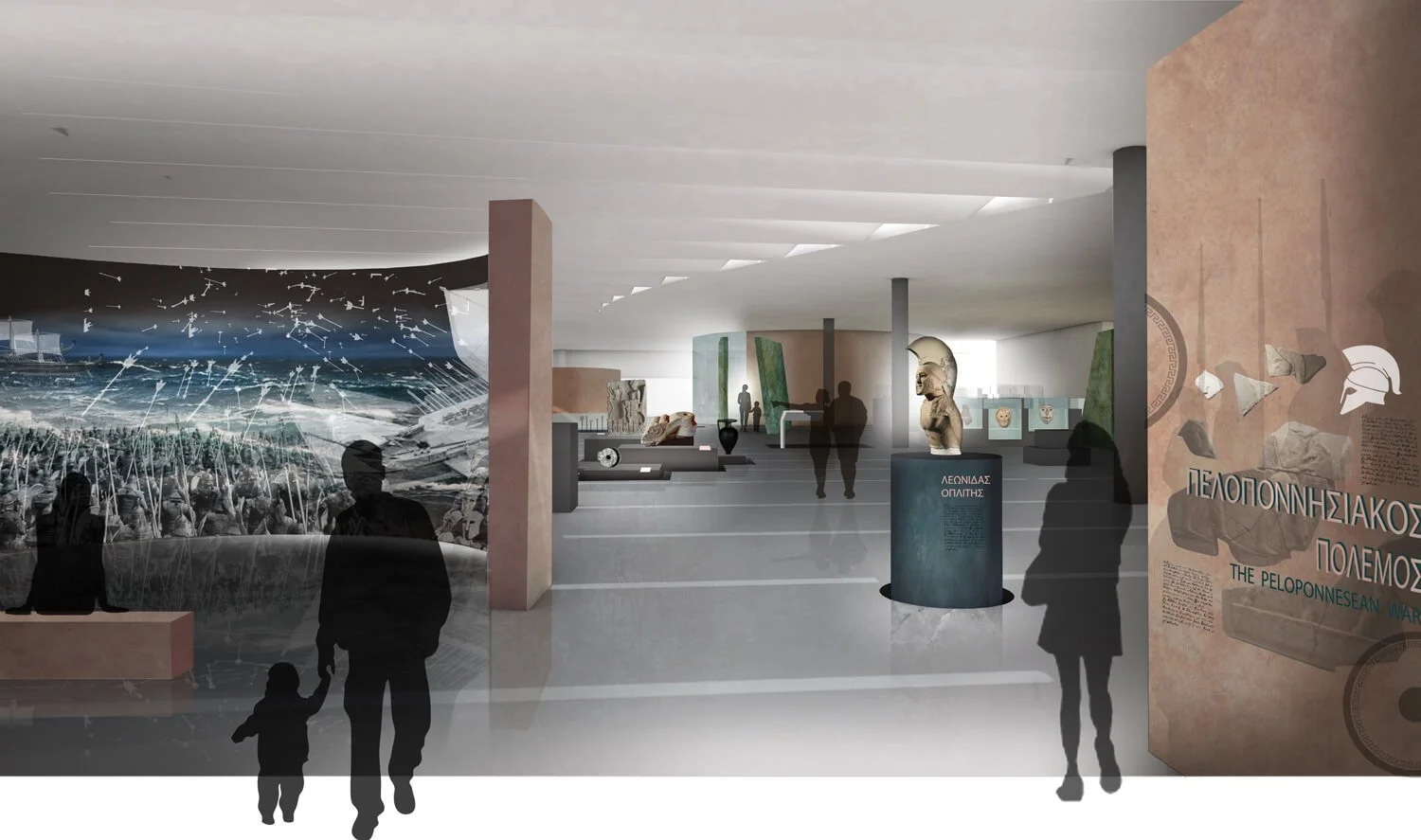
Sparta, the ancient powerhouse of military discipline and Hellenic culture, is poised to receive a significant enhancement to its cultural landscape. The construction of the New Archaeological Museum of Sparta in Greece is not just an addition to its rich historical tapestry but a vivid portrayal of how modern innovation can harmoniously blend with ancient treasures.

Restoration and Expansion: A Dual Approach

The project pivots around two primary components: the restoration of the old HYMOFIX factory's industrial building and the construction of a new, state-of-the-art museum structure. This dual approach ensures both the preservation of historical architecture and the introduction of modern facilities to accommodate a globally accessible museum experience.

  • 1. Restoring the Historical Fabric

The first axis involves breathing new life into the old HYMOFIX factory's shell. This initiative is more than a mere preservation act; it's a respectful nod to Sparta's industrial past, weaving it seamlessly into the narrative of its ancient history.

View fullsize Υφιστάμενη κατάσταση διατηρητέου κτηρίου ΧΥΜΟΦΙΞ1 (1).jpg
View fullsize NAMS (1).jpg
  • 2. The New Architectural Addition

The second axis is the addition of a two-story building with a basement, designed to encapsulate all the features of a modern museum. This architectural marvel is not just about aesthetics but is geared towards ensuring universal accessibility, thus opening the gates of history to all.

Unearthing the Past: Excavation Discoveries

Integral to this project is the excavation research conducted in the new building's basement. Spanning an area of 1,350 sq. m., these excavations have unearthed a treasure trove of historical significance. The findings include an extensive horizon of use from the late archaic and classical periods, along with crucial architectural remains. These remains, such as rectangular structures and square cobbled column bases, suggest the presence of a significant public building from the archaic era, arranged in a unique 'Π' shape.

Adapting to Historical Findings

The original construction plan underwent crucial modifications due to these archaeological discoveries. Adjustments were mainly concentrated on the western, northern, and partially southern sides of the building, ensuring a delicate balance between modern construction and the preservation of ancient relics.

Upgrading Cultural Identity

This project is part of a broader initiative to enhance Sparta's cultural identity. It complements the total renovation of the Old Archaeological Museum of Sparta and the restoration of the "Ηouse of Europe". These endeavors collectively aim to present Sparta's rich cultural heritage in a contemporary light, fostering a new sustainable development model focused on culture.

The New Archaeological Museum of Sparta stands as a testament to the harmonious integration of the past with the present. It is a symbol of respect for ancient history, a beacon of modern architectural prowess, and a cornerstone for cultural and sustainable development in Lacedaemonia. As the project progresses, it promises to become not just a repository of ancient artifacts but a dynamic hub of cultural exchange and learning, illuminating the past to inspire the future.

Tags Dimosthenis Vasiloudis

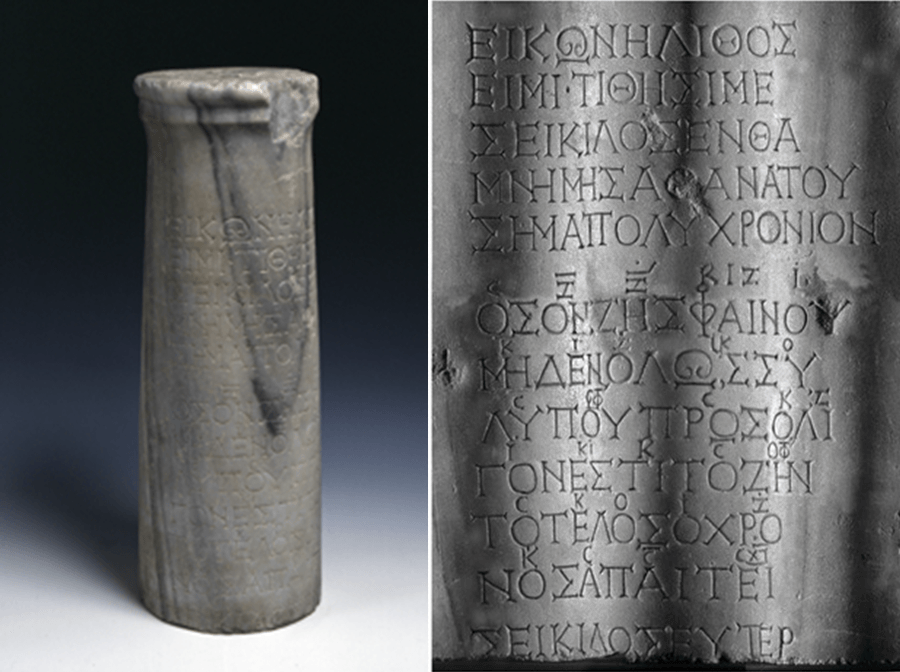
The column, and a detail of the words inscribed around it (National Museum of Denmark, Copenhagen).

The Seikilos Song: A Musical Time Capsule from Ancient Greece

November 19, 2023

BY DIMOSTHENIS VASILOUDIS


From Marble to Melody: The Seikilos Song and Its Poetic Resonance

In the world of ancient Greek poetry and music, the term "lyric" holds a special place, signifying poetry that was meant to be sung to the melodious accompaniment of the lyre. While the lyrics have survived the test of time, the melodies have largely faded into obscurity. However, there exists a remarkable exception to this rule—the Song of Seikilos. In this article, we will delve into the fascinating world of the Song of Seikilos, a piece of music that has transcended centuries to offer us a glimpse into the musical and poetic genius of ancient Greece.

The Song of Seikilos

The Song of Seikilos is an ancient Greek composition comprising a four-verse poem inscribed on a cylindrical marble column. This remarkable piece of history currently resides in the National Museum of Copenhagen and is believed to date back to the 2nd century AD. What sets this song apart from its contemporaries is the fact that it is not just a lyrical composition but is accompanied by actual musical notation.

Words and Music

The song begins with an unmelodized verse couplet that serves as a preface, stating,

"I am an image and a stone; Seikilos sets me up here as a long-lasting marker of undying memory."

This is followed by the song itself, a concise text of 17 words with small alphabetic signs representing the pitches of the melody. Linear symbols and dots are used to indicate the duration and rhythm of specific syllables.

The fascinating aspect of the Seikilos Song is that it can be transcribed into modern stave notation, allowing it to be sung by either a male or female voice, at any pitch and tempo, and accompanied by various instruments. This flexibility highlights that there was no standardized performance practice in ancient times, contrasting sharply with modern musical traditions.

Interpreting the Stone

The column on which the Song of Seikilos is inscribed was discovered near Aydın, modern Turkey, and almost suffered the fate of becoming a flowerpot stand before its significance was realized. The inscription ends with the word "ZĒI," meaning "is alive," which is a conventional formula on grave markers, indicating that the dedicatee had survived. This led to the song being dubbed the "Seikilos Epitaph," but this interpretation has its challenges.

A New Perspective

The traditional interpretation of the Seikilos Song as an epitaph is challenged by the poetic couplet preceding it. The wording suggests that the column itself is speaking, drawing attention to the stone and its inscription rather than a dedicatee. Furthermore, the name "Seikilos" is thought to be of Sicilian origin, hinting at the possibility that the author was a Sicilian who traveled to Asia Minor for his musical pursuits.

The conclusion drawn from this alternative perspective is that Seikilos created the inscription not as an epitaph but as a monument to preserve his musical and poetic creativity for posterity.

Metre and Rhyme

Another intriguing aspect of the Seikilos Song is its use of meter and rhyme. While initially it may appear metrically erratic, closer examination reveals a regular pattern. The verses follow a distinct rhythm, incorporating variations, resolution, syncopation, and anaclasis. When combined with melodic duration signs, a unique 6/8 rhythm emerges.

Moreover, the song features rhyme in the form of assonance, creating a rhyme scheme (AABB) not typically found in classical lyric poetry. This suggests that the song should be appreciated more for its aural qualities rather than subjected to strict formal analysis.

In the Song of Seikilos, we find a precious relic of ancient Greek culture that defies traditional categorization. Beyond being a mere epitaph, it appears to be a proud display of musical and poetic inventiveness. Seikilos, or Sí-ki-los, has left us with a musical treasure that encourages us to embrace life and creativity. As we listen to the echoes of this ancient melody, we are reminded of the enduring power of art and the timeless beauty of human expression.

Armand D’Angour, a distinguished scholar of classical music at the University of Oxford, once wrote that the Seikilos Song is a bid for musical and poetic excellence to be honored by time itself. It is a testament to the enduring spirit of creativity that transcends generations and continues to inspire us today.

In Greece's Historical Period Tags Dimosthenis Vasiloudis

A 100% Accurate Reconstruction of Ancient Greek Music

November 19, 2023

Reconstructing the Echoes of Ancient Greece: The Revival of Greek Music

In the annals of history, the music of ancient Greece has always been a subject of fascination and intrigue. Spanning from 750 BC to 400 BC, the Ancient Greeks crafted songs that were not just mere entertainment but also integral to their cultural and religious practices. These compositions, meant to be accompanied by the lyre, reed pipes, and various percussion instruments, have long been shrouded in mystery. However, recent scholarly efforts have brought us closer than ever to experiencing these ancient melodies with what is claimed to be 100% accuracy.

Understanding Ancient Greek Instruments

The key to unlocking the secrets of ancient Greek music lies in understanding the instruments used. As Armand D’Angour, a musician and tutor in classics at Oxford University, notes on the BBC website, these instruments are known from historical descriptions, paintings, and archaeological remains. This knowledge allows scholars to establish the timbres and range of pitches produced by these ancient instruments, forming the foundation for accurate reconstruction.

Decoding the Musical Notation

The turning point in this musical resurrection came with the examination of ancient documents inscribed with a unique vocal notation, believed to have been devised around 450 BC. These notations, consisting of alphabetic letters and symbols placed above Greek words' vowels, provide crucial insights. They offer an accurate indication of relative pitch, revealing the mathematical precision of the Greeks in understanding musical intervals, such as an octave being 2:1, a fifth 3:2, and a fourth 4:3.

The musical instruments of the Late Minoan "Sarcophagus of the Hagia Triada" of the 12th century BC and their similarity with the much later archaic and classical of the 7th (and later) century!

Image (a): Priestesses or goddesses carrying the blood of the sacrificed bull accompanied by a musician with a lyre, a detail of the second long side of the Holy Trinity sarcophagus.

An ancient tradition wants Terpandros from Antissa of Lesvos to be the inventor of the seven-stringed lyre; of course, we find it much earlier in this specific scene of worship of the dead. The seven-stringed and eight-stringed lyre is also attested by the Mycenaean culture, although it does not seem likely that the use of the instrument was preserved after the destruction of that culture. According to experts, their origins date back to Mesopotamia. The first evidence of lyres in the Greek area can be found in the palace of Pylos and in Crete.

Image (b): Sacrifice of a bull by the priestess with the accompaniment of aulos (diaulos), in detail from side A of the Holy Trinity sarcophagus.

The flute (=tube) or reed is one of the most beloved instruments in ancient Greece. It appears from the mid-3rd millennium on a Cycladic figurine. Its origin is probably from Minor Asia. The flute was a key wind instrument in all celebrations in Ancient Greece, especially in ceremonies honoring Dionysus. Also, the auricle appears as an accompanying instrument in the movements of the athletes in sports events.

Bringing Ancient Melodies to Life

So, what did Greek music sound like? The efforts of modern scholars have led to the performance of these ancient songs with remarkable accuracy. A standout example is David Creese, a classicist from the University of Newcastle, who performed an ancient Greek song taken from stone inscriptions. This piece, played on an eight-string ‘canon’ (resembling a zither with movable bridges), is credited to Seikilos.

The Seikilos epitaph, as it is known, is not just a piece of music but a window into the soul of ancient Greek culture. Its melody, harmonized by the mathematical precision of the Greeks, offers a glimpse into a world where music was a celebration of life, a component of philosophical thought, and an integral part of religious ceremonies.

The Significance of This Reconstruction

This accurate reconstruction of ancient Greek music is not merely an academic exercise. It represents a bridge across time, connecting us with our cultural ancestors. Through these revived melodies, we gain a deeper understanding of the ancient Greek worldview, their appreciation for the arts, and their sophisticated knowledge of acoustics and mathematics.

Moreover, this revival has implications for the broader field of musicology, offering insights into the evolution of musical scales, harmony, and instrument construction. It challenges and enriches our understanding of the history of music, providing a tangible link to the past that was once thought to be forever lost to the sands of time.

In conclusion, the reconstruction of ancient Greek music is a testament to the enduring power of music across centuries. It underscores the depth of human ingenuity and the timeless nature of artistic expression. As we listen to these ancient tunes, we are reminded of the universal language of music, a language that transcends time and continues to resonate in the human heart.

Canadian Artist Peter Pringle Sang the Epic of Gilgamesh in Sumerian Language on a Sumerian Instrument

November 18, 2023

Peter Pringle and the Musical Echoes of Ancient Sumer: Reviving the Epic of Gilgamesh

In an artistic endeavor that spans millennia, Canadian artist Peter Pringle presents an awe-inspiring performance, resurrecting the echoes of ancient Sumer through the Epic of Gilgamesh. This ambitious undertaking not only revives one of the oldest known literary works but also employs the use of a historically resonant instrument, the Gişgudî, offering a rare auditory glimpse into a long-forgotten past.

The Epic of Gilgamesh: A Literary Time Capsule

The Epic of Gilgamesh stands as a testament to human storytelling and is hailed as the earliest significant literary work. Originating around 2100 B.C., this Sumerian masterpiece predates the famed works of Homer by centuries. Its narrative, etched in the annals of history, unfolds in the realm of Ancient Sumer, nestled between the Tigris and Euphrates rivers in what is now Mesopotamia.

The language of the Sumerians, central to this narrative, remains an enigma, distinct from the Semitic tongues of their Akkadian and Babylonian neighbors. Written in cuneiform, a unique syllabary system, the Sumerian language faced a gradual decline, paralleling Latin's contemporary scholarly exclusivity. As a consequence, the actual pronunciation of Sumerian has been shrouded in mystery for over 4,000 years, until efforts like Pringle's endeavor to reimagine its phonetic heritage.

Gişgudî: A Stringed Link to Antiquity

Pringle's choice of instrument, the Gişgudî, is an authentic representation of Sumerian musical heritage. This long-neck, three-string lute, tuned to G-D, shares characteristics with modern instruments such as the tar, setar, and saz. However, the ancient lutes, including the Egyptian "nefer", were distinct in their use of gut strings, offering a different sound quality from their steel-stringed descendants. The oud, a short-neck lute, provides the closest contemporary sound comparison, although it differs in its fretless design and shorter string length.

The Performance: A Window to Ancient Sumer

Set against the historical backdrop of Nebuchadnezzar's palace courtyard in Babylon, Pringle's performance is a meticulously crafted portrayal of ancient Sumerian music. Lasting four minutes, the piece is more than just a musical performance; it's a historical immersion. This rendition of the Epic of Gilgamesh, accompanied by the Gişgudî, is not merely about the notes played but about the cultural and historical context they revive.

Pringle's project is underpinned by extensive research, including insights from "The Archaeomusicology of the Ancient Near East" by Professor Richard Dumbrill, a significant work in the field. This scholarly foundation adds an additional layer of authenticity to Pringle's interpretation.

Conclusion: Bridging Millennia Through Music

Peter Pringle’s performance is more than just a recital of an ancient epic; it is a cultural resurrection. By combining the linguistic complexity of the Sumerian language with the historical significance of the Gişgudî, he creates an immersive experience that transcends time. This endeavor is a reminder of the enduring power of music and literature to connect us to our past, enlighten our present, and inspire our future. Through his work, Pringle has not only paid homage to a civilization long gone but has also provided a tantalizing taste of what the music of ancient Sumer might have sounded like, keeping alive the legacy of one of humanity's earliest civilizations.

In Mesopotamia

Neolithic China's Greatest Headhunting Massacre of Women and Children Discovered

November 18, 2023

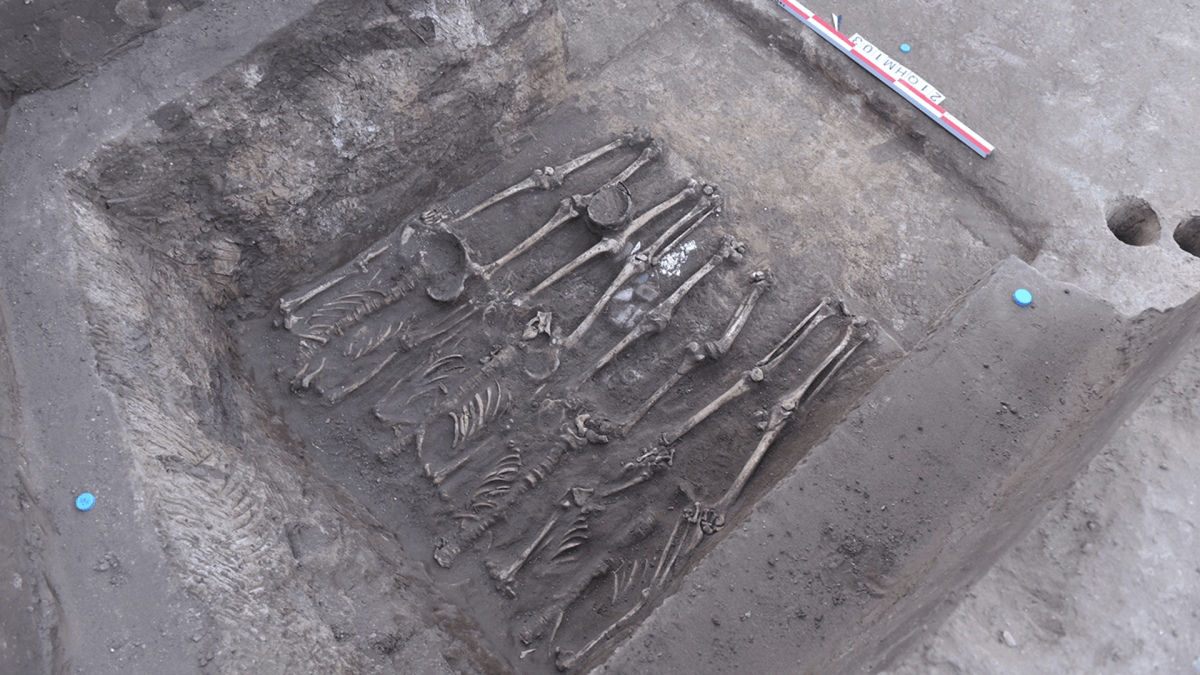
In a chilling revelation, researchers in China have uncovered the largest Neolithic headhunting massacre in history, shedding light on a gruesome event that transpired around 4,100 years ago. The discovery was made at the Honghe site, where a mass grave containing 41 headless skeletons was unearthed, marking a significant breakthrough in understanding the violent practices of ancient civilizations.

The Honghe site has been under investigation since its initial discovery in the 1990s, with six excavations conducted to date. In the latest effort, researchers unearthed a total of 68 skeletons, including 41 without heads, in two houses and three tombs. The victims, all women and children, displayed cut marks across their neck vertebrae, with some exhibiting V- and U-shaped cuts on the second vertebra. The assailants used bone-handled knives with stone blades, showcasing a uniformity in the perpetrators' techniques and weapons.

The discovery challenges the notion of headhunting as a rare and isolated phenomenon in ancient China. The presence of deliberate decapitation marks on all the victims indicates a conscious head-hunting behavior, suggesting that this act was not an isolated incident but rather a part of a larger pattern.

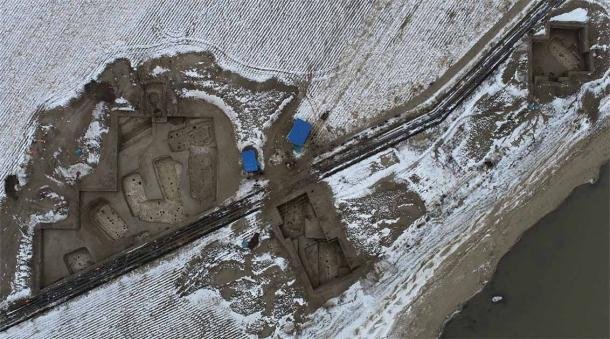
An aerial view of the burial site. Photo: Qian Wang/Texas A&M

The study, published in the Archaeological and Anthropological Sciences journal, employed visual inspections and imaging techniques to identify signs of decapitation. Shockingly, the researchers found that 32 of the 41 beheadings occurred in a single horrifying event, pointing to a coordinated and large-scale act of violence.

Headhunting was a common practice in various Asian countries, often driven by a combination of ritualistic, social, and territorial motives. Tribes engaged in headhunting to gain spiritual power, demonstrate dominance over rival communities, and appease ancestral spirits. In this context, the researchers propose two theories for the Neolithic headhunting massacre at the Honghe site.

Four skulls in a pit outside the burial house. Photo: Qian Wang/Texas A&M University School of Dentistry

The first theory suggests that the massacre may have been a result of an interpersonal conflict with a high level of cruelty. It is possible that rival groups attacked the settlement, specifically targeting women and children. Alternatively, the researchers propose the existence of a ritualistic aspect, where heads of enemy tribes were sought after for a specific ritual meaning, potentially to conquer or possess the soul and energy of the enemies.

The second theory revolves around settlement rivalry, as evidenced by defensive trenches surrounding the site. The choice of women and children as victims could have been a strategic move to cause maximum outrage and cruelty, aiming to destabilize the Honghe community. The researchers speculate that the men of the settlement may have been away during the attack and returned to find their loved ones massacred, leading to the decision to bury them in the houses before abandoning the settlement.

The discovery at the Honghe site provides a chilling glimpse into the violent past of Neolithic China, raising questions about the motivations and societal dynamics that led to such brutal acts. The researchers hope that further exploration and analysis of archaeological sites will contribute to a deeper understanding of ancient civilizations and the complex factors that shaped their practices and beliefs.

Over 100,000 Coins Shed Light on Japan's Historical Turmoil

November 18, 2023

In an extraordinary archaeological revelation, researchers in Maebashi City, Japan, have unearthed a hidden cache of over 100,000 ancient coins during the construction of a new factory in the Sojamachi district. This remarkable discovery provides a captivating glimpse into the rich history of the region, spanning from China's Western Han Dynasty to the Southern Song Dynasty.

The coins, meticulously bundled in 1,060 packages, showcase a remarkable diversity, with an analysis of 334 coins revealing 44 distinct currency types. Notably, among them are the Ban Liang coins, introduced by China's first emperor, Qin Shi Huang, around 210 BC. These coins continued to be in use under the Western Han dynasty until the adoption of the Wu Zhu cash coins in 118 BC.

The cache includes coins dating back to 175 BC, with the oldest Ban Liang coin boasting a 2.3-centimeter diameter, a 7-millimeter square hole in the center, and inscriptions of "liang" (an old Chinese unit of weight) on the left and "ban" on the right. Coins as recent as AD 1265 from the Southern Song Dynasty period are also part of this fascinating collection.

The Maebashi City Government suggests that the coins were likely concealed for security reasons during the Kamakura jidai, a turbulent period in Japanese history marked by conflicts against the Northern Fujiwara and Mongol invasions. This era witnessed the emergence of the samurai, the warrior caste, and the establishment of feudalism in Japan.

The Kamakura jidai, beginning in AD 1192, was a time of significant political upheaval, with the Kamakura shogunate governing amidst conflicts and external threats. The coins found in the cache offer valuable insights into the economic and political dynamics of this period, shedding light on the measures taken to safeguard wealth during times of uncertainty.

The Newly Excavated Cultural Artefacts Exhibition 2023 in Maebashi City's Otemachi district currently showcases these historic coins. The exhibition provides locals and visitors with an opportunity to appreciate the significance of the find, offering a unique connection to Japan's rich cultural heritage.

Markus Milligan, an award-winning journalist and the Managing Editor at HeritageDaily, underscores the cultural and historical importance of the coins, contributing to a better understanding of Japan's past. As the exhibition unfolds, archaeologists and historians eagerly await further analysis of the coins, hoping to unlock more secrets about Japan's ancient civilizations and the intriguing circumstances that led to the concealment of this treasure trove. The find stands as a testament to the resilience of cultures in the face of adversity, preserving their heritage for future generations to uncover and appreciate.

← Newer Posts Older Posts →
Featured
image_2026-05-15_160951429.png
May 15, 2026
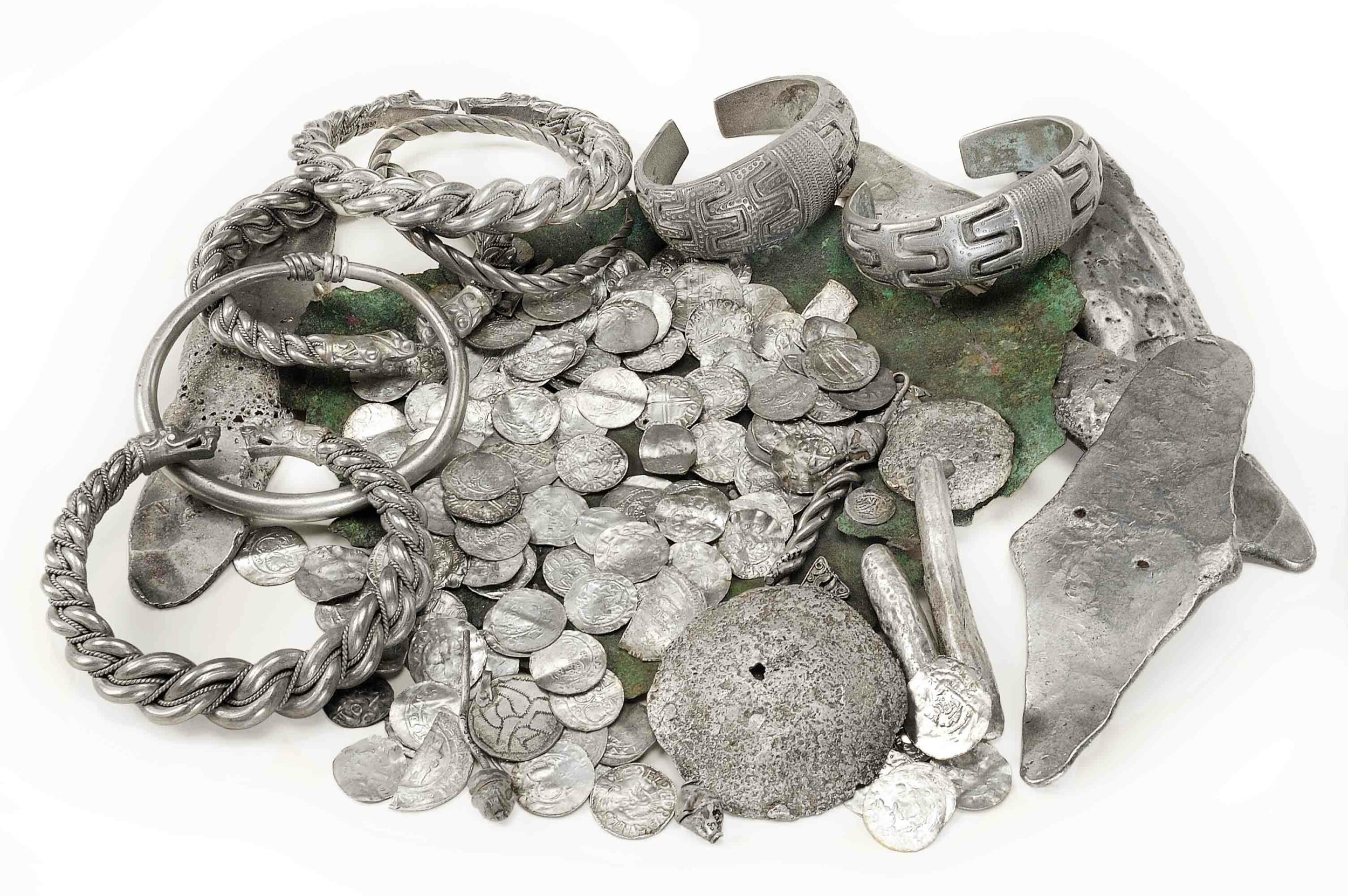
The Viking Hoards of Gotland: The Wealth of the Baltic Sea
May 15, 2026
Read More →
May 15, 2026
image_2026-05-15_160824048.png
May 15, 2026
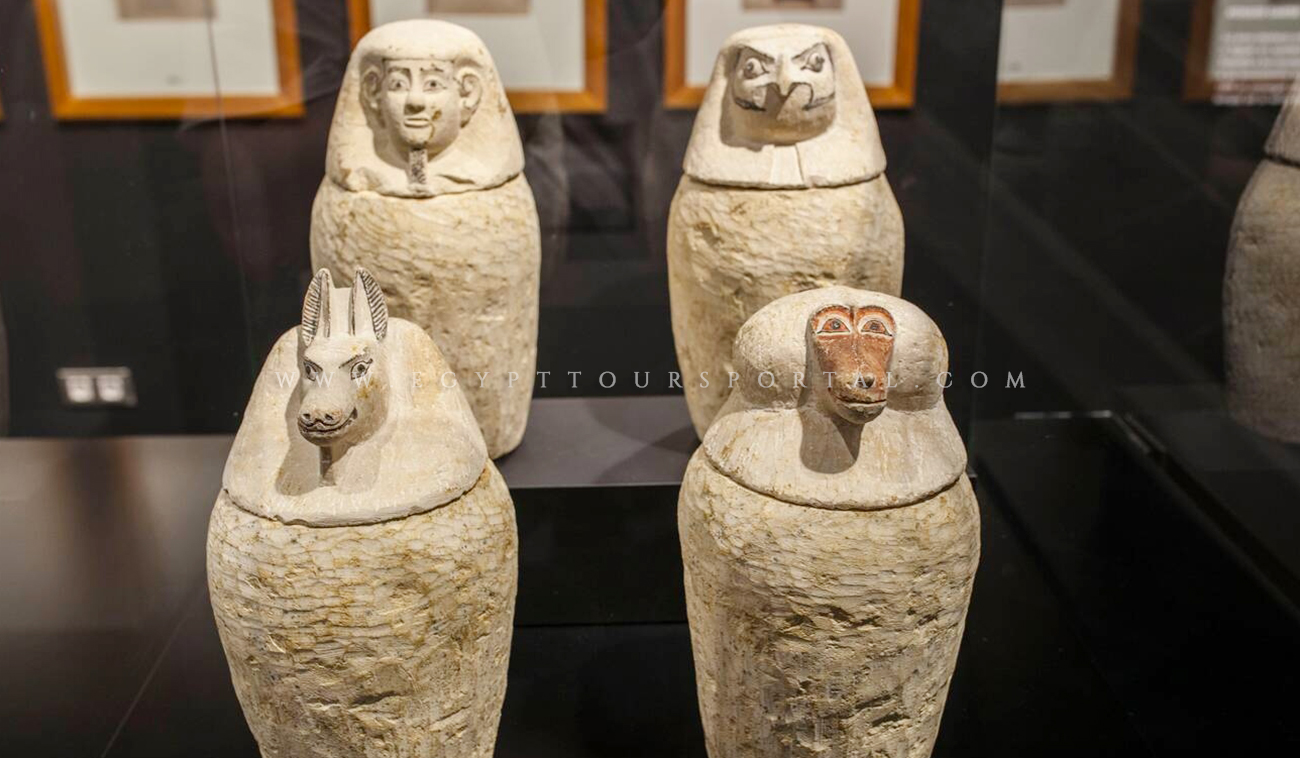
Ancient Egyptian Canopic Jars: The Science of Organ Preservation
May 15, 2026
Read More →
May 15, 2026
image_2026-05-15_160729796.png
May 15, 2026
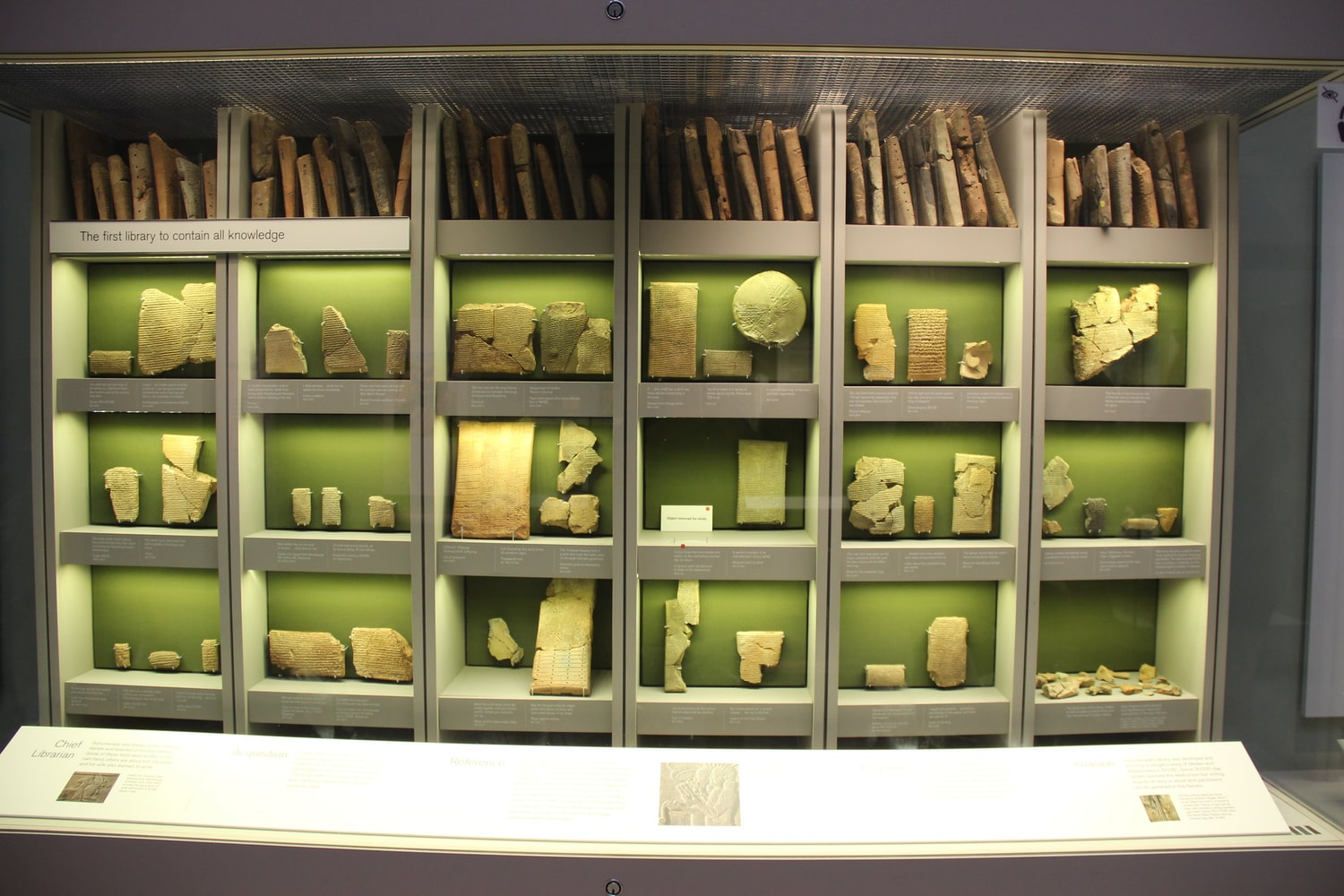
The Library of Ashurbanipal: The First Systematically Organized Collection
May 15, 2026
Read More →
May 15, 2026
image_2026-05-15_160702824.png
May 15, 2026
Roman Pottery: The Mass Production of Terra Sigillata
May 15, 2026
Read More →
May 15, 2026
image_2026-05-15_161100251.png
May 15, 2026
The Viking King Gorm the Old: The Jelling Stones and Danish Identity
May 15, 2026
Read More →
May 15, 2026
image_2026-05-15_160305875.png
May 15, 2026
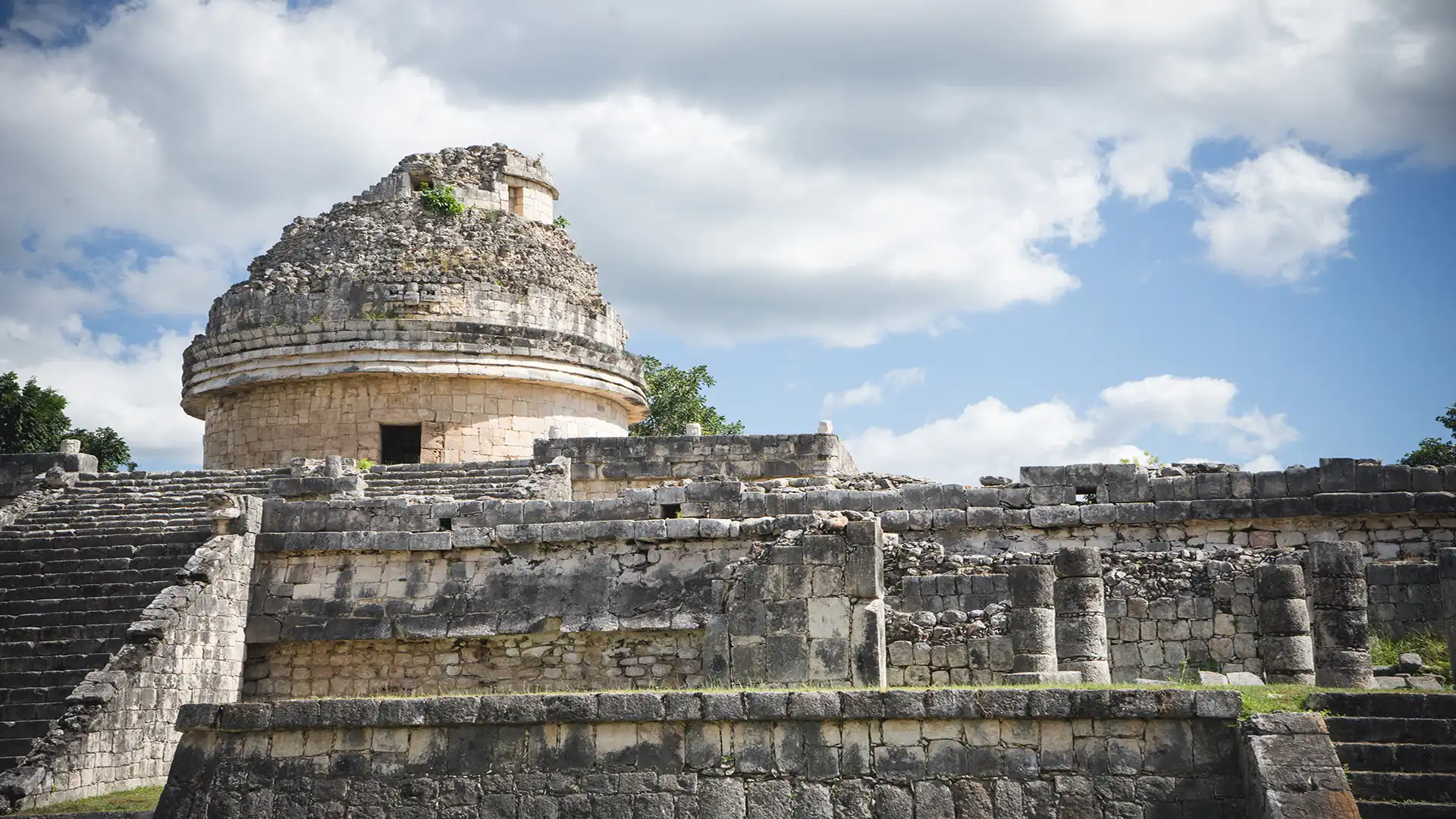
Ancient Maya Astronomy: The Alignment of the Caracol at Chichen Itza
May 15, 2026
Read More →
May 15, 2026
read more

Powered by The archaeologist