In this segment, the speaker highlights the significance of church forests in Ethiopia, emphasizing the tradition of constructing churches within forests. The churches, following the Orthodox faith, have been surrounded by forests for centuries. The symbiotic relationship between the church and the forest is evident, with the church constructed using forest resources, and both entities mutually benefiting each other across generations. The speaker underscores the interplay's complexity, emphasizing the need for community efforts to preserve and respect this ecosystem, addressing challenges and restoring the landscape.

History of the Crusades: All Facts You Need To Know
The Crusades were a series of medieval wars initiated to reclaim Jerusalem for Christianity. Initially launched to protect eastern Christians, they evolved into a form of holy war promising heavenly rewards. The first crusade in the 11th century was prompted by political shifts in the Middle East, with the Seljuk Turks disrupting the balance of power.
Byzantine Emperor Alexios I sought help from the Pope to address this, leading to Pope Urban II's famous call for crusades in 1095. Despite capturing Jerusalem in 1099, subsequent crusades faced challenges, with the second crusade in 1147 proving a failure against Muslim forces led by Nuradin.
While achieving limited military success, the Crusades had a profound cultural impact on Europe and contributed to the decline of the Byzantine Empire.

The 5,500-Year-Old Ukrainian Stonehenge
The Ukrainian Stonehenge is a 5,500-year-old burial mound located in Ukraine. It is the largest burial site in the world and has a diameter of 18 m. Inside the mound is a circle of stones that originally formed a cromlech with 24 bevels standing vertically.
The stones were extracted from a rock outcrop on the bank of the Nepa River by hammering wooden stakes into the cracks in the rock until the rock broke into slabs. The service of stone extraction affects the size and shape of the stones used in the mound.
Despite not being as well-known as Stonehenge and the pyramids of Egypt, the Ukrainian Stonehenge is enormous and has been in existence for longer. The host encourages viewers to learn more about ancient sites, subscribe to the channel and share their thoughts.

Wings of Connection: Perth Airport's Dual Journey into Modern Aviation and Ancient Heritage
In a captivating fusion of cultural heritage and contemporary aviation, Perth Airport in Western Australia has recently unveiled a twofold story. The return of China Eastern flights, coinciding with the unearthing of 40,000-year-old Indigenous artifacts during runway construction, paints a vivid picture of the airport's dedication to environmental preservation, cultural respect, and regional tourism promotion.
The Return of China Eastern Flights
Perth Airport has excited residents and travelers with the announcement of China Eastern Airlines launching a seasonal nonstop service between Shanghai Pudong Airport and Perth. Operating from January 20 to February 18, 2023, this four-week service aligns strategically with the Year of the Dragon Lunar New Year celebrations, aiming to strengthen cultural ties between China and Western Australia.
Beyond the festivities, the resumption of China Eastern flights holds substantial economic implications. Prior to the pandemic in 2019, Chinese visitors contributed approximately AU$283 million to the local economy. The absence of nonstop flights led to a significant decline, but the renewed air link is expected to reignite tourism, offering Western Australians a chance to participate in the vibrant Chinese New Year celebrations in Shanghai.

Perth Airport's Acting CEO, Kate Holsgrove, expressed delight at the return of China Eastern, highlighting the potential for economic growth in tourism, business partnerships, and various sectors, including hospitality and retail.
Uncovering Ancient Artifacts
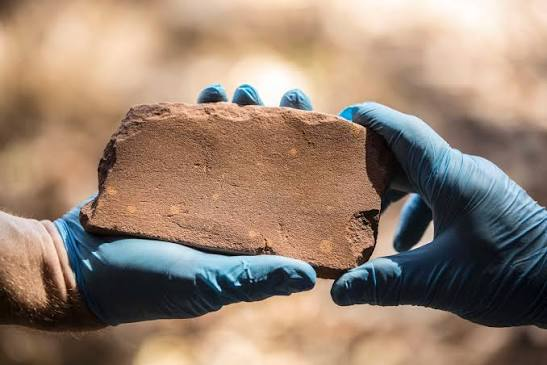
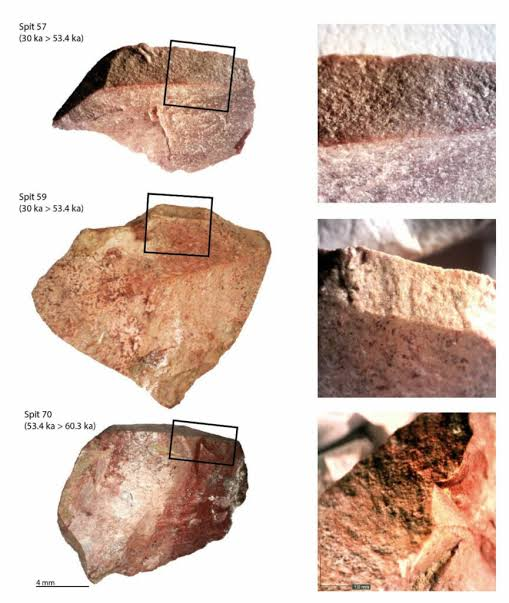
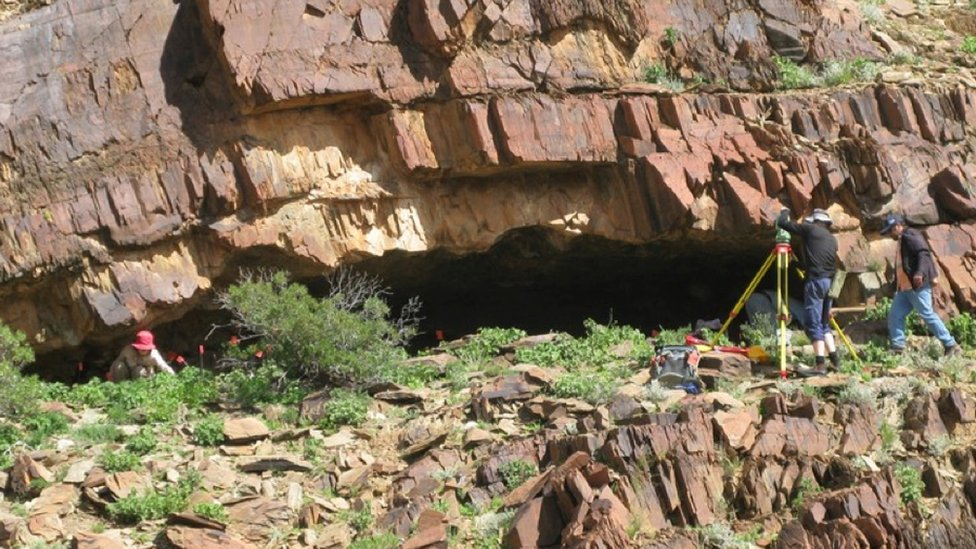
Simultaneously, the revelation of ancient Indigenous artifacts during runway construction underscores Perth Airport's commitment to cultural heritage preservation. The artifacts, estimated to be around 40,000 years old, were discovered in targeted archaeological digs, showcasing stone fragments at a depth of approximately two meters.

Despite no regulatory mandates, the airport chose to exceed approval requirements, conducting extensive heritage salvage plans due to the new runway's proximity to the culturally significant Munday Swamp wetlands. Perth Airport actively involves local Whadjuk families in overseeing artifact recovery, emphasizing sensitive and respectful treatment. Collaborating with Whadjuk traditional custodians and the community, the airport aims to instill confidence in the careful handling of these culturally significant items.
The confluence of China Eastern flights' return and the discovery of ancient Indigenous artifacts presents a unique narrative for Perth Airport. This narrative intertwines modern connectivity with a deep respect for cultural heritage, encapsulating the delicate balance between progress and heritage. Perth Airport's dual journey exemplifies how responsible development can contribute to both economic growth and a profound appreciation of Australia's rich Indigenous history.

The ring James dug up in a field close to Bispham (Image: Metal Detecting Forum/James Lane)
Lancashire Metal Detectorist Discovers Rare Hawking Vervel in Bispham Field
In the serene landscapes of Lancashire, a metal detectorist named James Lane has unearthed a captivating relic that resonates with echoes from the past. Reminiscent of tales from the world of "Lord of the Rings," this discovery unfolded in September 2020 when James stumbled upon a post-medieval hunting accessory known as a hawking vervel. This remarkable find sheds light on a fascinating aspect of medieval life, where trained birds of prey played a crucial role in the art of hunting.
Armed with his trusty XP Deus detector, James Lane was granted permission to explore a field in the Bispham area of Lancashire. A mysterious signal beneath the earth's surface led him to a ring-shaped object that initially puzzled him. As he carefully unearthed it, the significance of the find became apparent.
Identification of the Hawking Vervel
Upon closer inspection, James identified the ring as a hawking vervel—a vital accessory used between the sixteenth and eighteenth centuries in the practice of falconry. In an era when birds of prey were highly esteemed and costly, these vervels, small rings attached to the leg straps and leash of the bird, played a crucial role in controlling and managing these majestic creatures during hunts.
Reporting the Discovery
In adherence to legal obligations, James Lane promptly reported his find to a Finds Liaison Officer (FLO). FLOs, part of the Portable Antiquities Scheme, contribute significantly to recording archaeological discoveries, enriching our understanding of the history of England and Wales.
The Age and Significance
An inquest at Blackpool Town Hall, led by Assistant Coroner Andrew Cousins, provided insights into the age and significance of the hawking vervel. FLO Heather Beeton estimated that the artifact likely dates from the period between 1500 and 1700. Following criteria assessing age, composition, and historical importance, Assistant Coroner Cousins declared it a treasure.
Declaration as Treasure
Meeting the criteria for treasure—containing at least 10 percent precious metal and being over 300 years old—the hawking vervel earned this designation. An "expression of interest" from a museum highlighted its potential acquisition, underscoring the historical value of the find. The artifact is now poised to become a part of public heritage, preserving a captivating piece of Lancashire's medieval history.
James Lane's discovery not only highlights the excitement of amateur archaeology but also contributes significantly to our understanding of medieval practices such as falconry. The officially declared treasure invites us to envision a time when Lancashire's skies were graced with majestic birds of prey and the art of falconry stood as a symbol of prestige and skill.
Everything we know about Pteranodon (not pterodactyls)
The Pteranodon is one of the most instantly recognizable prehistoric creatures in existence. However, although famous, these creatures weren't monsters, and they actually led a fairly humble existence that would have been similar to that of a modern-day sea bird.
Pteranodon, often mistakenly referred to as pterodactyls, is a genus of pterosaurs that lived during the Late Cretaceous Period, approximately 86 to 84 million years ago. Here's a detailed overview of what we know about Pteranodon:
Taxonomy and Description
Scientific Classification: Pteranodon belongs to the order Pterosauria, distinct from dinosaurs but coexisting during the same era. It's a member of the family Pteranodontidae.
Physical Characteristics: Pteranodon is most notable for its large skull and elongated beak. Unlike pterodactyls, Pteranodon had no teeth. Its most striking feature was its cranial crest, whose size and shape varied depending on the species and possibly the sex.
Size and Wingspan
- Wingspan: Estimates of its wingspan range from 3.5 to 7 meters (11.5 to 23 feet), making it one of the largest known flying reptiles.
Body Size: Pteranodon had a relatively lightweight body to support flight, with hollow bones and a small torso.
Habitat and Distribution
Geographical Spread: Fossils have been primarily found in North America, notably in the central United States.
- Habitat: Pteranodon likely inhabited coastal regions, as suggested by fossil evidence located in areas that were once ancient seaways.
Behavior and Ecology
- Diet: It's believed to have been piscivorous, feeding mainly on fish. This is inferred from its beak shape and fossil locations.
- Flight: Its large wings allowed for efficient gliding over long distances, a significant advantage in hunting and traveling over the vast marine habitats.
Social Behavior: There's ongoing debate about its social behavior, with some evidence suggesting that Pteranodon may have lived in large colonies.
Reproduction
- Egg-Laying: Like other pterosaurs, Pteranodon was oviparous, laying eggs. However, direct evidence of their reproductive behavior is scarce.
Parental Care: The extent of parental care is unknown, but some paleontologists hypothesize that, like modern birds, they might have cared for their young.
Fossil Record
Discovery and Excavation: The first Pteranodon fossils were discovered in the mid-19th century in Kansas. Since then, numerous specimens have been unearthed, providing a wealth of information.
- Preservation: The quality of fossil preservation varies, with some specimens showcasing detailed skeletal structures and others preserving skull and crest features.
Impact on Paleontology and Popular Culture
Scientific Significance: Pteranodon is significant in the study of pterosaur aerodynamics, feeding habits, and evolutionary history.
In Popular Culture: Pteranodon has featured prominently in media, often incorrectly labeled as a dinosaur or confused with Pterodactylus. Its dramatic appearance has made it a staple in books, movies, and documentaries about prehistoric life.
Current Research and Debates
Evolutionary Biology: Ongoing research is focused on its evolutionary relationships with other pterosaurs and the function of its cranial crest.
- Paleoecology: Studies continue on how Pteranodon interacted with its environment, including its role in the ecosystem and its response to changing climatic conditions during the Late Cretaceous.
In summary, Pteranodon stands out in the pterosaur family due to its size, distinctive physical features, and abundance of fossil evidence. While much has been learned, it continues to be a subject of active research, shedding light on the diverse and complex world of prehistoric flying reptiles.
Quetzalcoatlus: The Largest Flying Animal Ever to Live | Dinosaur Documentary
Around sixty-eight million years ago, something massive was patrolling the vast open plains and wide skylines of America. Over the heads of mighty titanosaurs flew the titanosaur equivalent of a pterosaur, the colossal Quetzalcoatlus. This is an animal almost incomparable to anything alive in the twenty-first century, with its long, snaking neck, giant wings, and long, sharp beak.
It ultimately survived to the end of the Mesozoic Era, around the time the Cretaceous extinction marked the end of all the non-avian dinosaurs the world over. It would go on to surrender the skies to the birds of the Cenozoic Era, where it was succeeded by the giant pelagornids and teratorns, huge birds with wingspans larger still than anything alive today. As big as these huge birds were able to grow, none of them could match the sheer size of Quetzalcoatlus, the largest flying animal ever to exist on Planet Earth.
In this video, we will be exploring the life of this colossal pterosaur—everything from the way it lived and how it looked, right up to the point it was discovered and described over sixty million years later. We will take a look at the environment in which Quetzalcoatlus lived, the different species within the genus, and the controversies surrounding its discovery. Sit back and relax as we take flight with a true giant of the skies.
2 new Paleo-American sites
Were humans in Oregon 18,000 years ago? Were humans in Brazil 27,000 years ago? Watch the video below to find out!
The ongoing debate about when humans first arrived in America has been reignited by two recent discoveries, one in Oregon and one in Brazil. The video, sponsored by Factor, a fresh food company, discusses the importance of the Out of Africa theory in Paleolithic archeology and how it relates to the debate about when humans first arrived in America.
The video explains that the debate is heavily debated because America was only connected to Asia via a landmass that is now underwater, and the entirety of Canada was covered in ice sheets, blocking the way inland. The Clovis culture, known for its distinctive fluted, curved points, is the first widespread archaeological culture in America, and its points are found widely across North America.
The debate about when humans arrived in America is similar to the debate about when modern humans replaced Neanderthals in Europe and who was living in western and southern Asia. Australia is also heavily debated because it has not been attached to Asia for millions of years, and the arrival of modern humans in Papua New Guinea and Australia had to have involved a sea-going voyage and was probably the first time in human history that that had happened.

Image Credit : Lubuski Wojewódzki Konserwator Zabytków
Treasure Hoard of Silesian Bracteates Found in Szprotawa: A Glimpse into Medieval Economic Practices
In a remarkable archaeological discovery, researchers excavating the remnants of a former burgage plot in Szprotawa, Poland, have stumbled upon a treasure hoard containing approximately 100 to 150 Silesian bracteate coins. This find provides a fascinating insight into the economic and monetary practices of medieval Silesia, shedding light on the circulation, exchange, and taxation associated with these unique coins.
A burgage, a term synonymous with town rental property, referred to a "burgage tenement," comprising a house on an elongated and narrow piece of land with a slim street frontage. The excavation revealed the remnants of a textile bag meticulously harboring coins arranged in cylinder piles.
Upon closer examination, it became apparent that the coins were predominantly Silesian bracteates, bearing witness to the period between 1250 and 1300. These coins, minted on a thin plate attached to a soft base, marked a distinctive era in Silesian numismatics. They were eventually replaced by thicker coins, known as the quarterly, during the early 14th century.
Originating from the mint workshops of Silesia, these bracteates had a relatively short lifespan as they were routinely called back for exchange, typically once or twice a year. The exchange rate involved receiving three new coins for four old ones, with the fourth coin retained as strike money, constituting a significant part of the coin mint-master's tax revenue. This unique system functioned akin to demurrage, encouraging people to hoard coins due to their diminishing value over time.

Image Credit : Lubuski Wojewódzki Konserwator Zabytków
Radosław Kuźbik, a key figure in the archaeological team, commented on the find, stating, "In the case of cash deposits, the inevitable question is who concealed it, when, and why. Specialists will want to answer this question in the near future. We can assume that it was so-called petty cash belonging to a rather wealthy person." The mystery of the hidden treasure raises intriguing questions about the individual or group responsible for its concealment, prompting further investigations into the social and economic dynamics of medieval Szprotawa.
The significance of this discovery cannot be overstated, as very few coins of this type have survived from the era. The coins were often melted down continuously, making such intact hoards exceedingly rare. This find, along with the associated archaeological evidence, provides a comprehensive view of the economic landscape during the medieval period in Silesia.
In addition to the bracteates, the excavation also revealed remnants of a bridge dating back to the 15th to 16th centuries and the original city walls constructed during the 14th century. These findings contribute not only to our understanding of the region's monetary history but also to the broader historical and architectural context of Szprotawa. The uncovering of a bridge and city walls adds layers to the story of this medieval town, showcasing the complexity of its development over the centuries.
As researchers continue to analyze and interpret these artifacts, the treasure hoard of Silesian bracteates in Szprotawa stands as a testament to the intricate economic systems and daily life of medieval Silesia, inviting us to explore the hidden stories beneath the surface of this ancient town.

The Impressive Training of Alexander the Great's Army
The Macedonian army of King Philip II and Alexander the Great was renowned for its successes in taking over Greece and the Achaemenid empire. The infantry was famous for its impenetrable phalanx formation, but it was the cavalry that represented the peak of military education and training for its time. Macedonia was broken up into several cantons, with each being required by law to provide a set amount of soldiers for the king's army, depending on their population. Specialized officers would then be responsible for selecting only the best-fit men to join the army, depending on both physical and mental qualities. Prospective recruits would then undergo rigorous physical tests to assess their strength, endurance, and overall fitness, with only the most capable men being selected for service.
Upon recruitment, extensive training awaited the soldiers, which this time focused on the mastery of their weapons. King Philip II also forced the infantry to carry bags of flour on their backs while training and marching up to 35 miles. This trained them to carry all of their weapons, armour, rations, and other gear during campaigns. To ensure that, if needed, a total of 16,000 able-bodied infantry phalangites could be recruited from all cantons, the men were entitled and expected to frequently visit the gymnasium long after their enlistment, until the age of 30. The cavalry served as the elite backbone for the Macedonian army and was the one that made the decisive moves in every battle.

Experts Found A Perfectly Preserved Ice Age Puppy In Siberia
A team of Russian researchers discovered the mummified remains of a canine pup in Siberia's permafrost, which had been frozen in time for 14,000 years. Upon closer examination, scientists discovered evidence of the pup's final meal preserved inside its stomach. Using DNA analysis, experts have begun to unravel the secrets behind this canine mystery, and the pup's last meal reveals a fascinating insight into the food chain of Siberia during prehistoric times. The Siberian permafrost has yielded fascinating discoveries due to its ability to preserve specimens remarkably intact.
Areas of permafrost are capable of preserving bodies for long stretches of time, even since the prehistoric era, due to being always frozen. Melting permafrost around the world is revealing all sorts of fascinating finds, including the mummified woolly mammoth in 2010, dubbed Yucca. The Cold Mountain environment also preserved the body of a human male from the Chalcolithic era, approximately 5,300 years ago. The ancient pup's remains were sent for analysis, which determined that the creature was aged between three and nine months at the time of its death. However, experts have been unable to conclude whether the pup was a wolf or a dog.

What was life like after the Bronze Age collapse
In the following video, we will be explaining what life was like after the Bronze Age collapse. During the Bronze Age, the world's most populous, prosperous, and technologically advanced empires were all located in close proximity to each other. However, around the beginning of the 12th century BC, these empires collapsed, leading to a mini-dark age that lasted for less than a hundred years. Some of the ancient civilizations that survived this era include the Shang Dynasty in China and the Nordic Bronze Age Culture. However, the Indus Valley Civilization, which had already collapsed over a century before the Bronze Age collapse, did not have a significant impact on the event. Before the collapse, there was very little trade between the civilizations of the interior of the Indian subcontinent and those in the Near East.
During the 800 years following the fall of the Neo-Sumerian Empire, an international system of trade, diplomacy, and the intermarriage of royal houses evolved and thrived. Wars were relatively civil, and the newly conquered people might even receive a temporary tax break. However, the Hittite destruction of Yamhad and Amorite Babylon was a major exception. After the mini-dark age, two mountain peoples, the Hurrians and the Kassites, moved into Mesopotamia and became the new ruling classes there, leading to a stronger international system than ever before.

Napoleon Bonaparte's Hashish Ban: A Historical Journey into Cannabis Prohibition
Ridley Scott's latest film, "Napoleon," starring Joaquin Phoenix, takes artistic liberties with historical events, particularly in depicting Napoleon Bonaparte ordering his soldiers to aim cannons at the pyramids in Egypt. However, amidst the embellishments, there is a nugget of truth that unveils Napoleon's encounter with cannabis during his conquests in Egypt. This article delves into the real story behind Napoleon's ban on cannabis and its unexpected impact on the history of cannabis prohibition.
The Invasion of Egypt and the Love of Hashish
In 1798, Napoleon led the imperial French army into Egypt with the dual goals of disrupting trade routes between India and England and establishing French rule in the Middle East. However, the French forces faced an unforeseen obstacle— the Egyptians' love for hashish. Rather than imposing their customs on the Egyptians, Napoleon encouraged his administrators to embrace local culture. French scholars and scientists established libraries and research centers to explore the traditions and inventions of the Islamic world.
The Hashish Ban and Its True Motivations
Contrary to popular belief, Napoleon did not personally institute the ban on hashish due to his soldiers being too stoned to fight. The ban came after the campaign and was enacted by one of Napoleon's generals, Jacques-François Menou. Menou saw the ban as an opportunity to address a perceived public health issue and gain favor with his Sunni elite in-laws. Issued in 1800, Menou's mandate is considered the first drug prohibition law in the modern world, prohibiting the cultivation, sale, and consumption of cannabis.
The Failed Ban and Cannabis' Journey to the West
Despite the ban, hashish continued to thrive in Egypt, with its roots going back as far as 3000 BC. French soldiers not only failed to prevent Egyptians from using hashish but inadvertently introduced the substance to Western Europe. Paris saw the emergence of the "Club des Hachichins," a group of open-minded writers and painters who celebrated the drug that the government was attempting to eradicate.
Hashish's Role in the Napoleonic Wars
Hashish wasn't the only cannabis product playing a role in the Napoleonic Wars. Hemp, a versatile plant, was crucial for making bags, rope, cordage, sails, and other materials essential for warfare. Napoleon sought to control hemp production by pressuring Russia to cease business with Great Britain in the Peace Treaty of Tilsit in 1807.
Napoleon Bonaparte's encounter with cannabis during his Egyptian campaign had unintended consequences on the history of cannabis prohibition. Despite the ban's failure in Egypt, it marked the beginning of Western Europe's approach to cannabis regulation. The journey of hashish from Egypt to Western Europe and the failed attempts at hemp control underscore the complex and intertwined history of cannabis and warfare during the Napoleonic era. Ridley Scott's film may take creative liberties, but the reality is equally fascinating, revealing the intricate relationship between historical events and cannabis prohibition.

A bust of Alexander the Great that is on display at the British Museum in London. [British Museum]
Alexander the Great's Legacy: Archaeologists Discover Temple in Ancient Iraq
In a groundbreaking discovery, archaeologists at the British Museum in London have unveiled the remnants of a 4,000-year-old ancient temple in the heart of Iraq. What makes this find truly exceptional is the belief that the temple was constructed at the behest of the legendary Alexander the Great, dedicated not only to Greek deities but also to venerating the warrior king himself.
The excavation took place in the ancient Sumerian city of Girsu, situated in the modern-day town of Tello. The site has offered a glimpse into a chapter of history that intertwines Hellenistic influence with the ancient Mesopotamian civilization.
The key evidence supporting the notion of Alexander's involvement in the temple's creation includes an inscription in both Aramaic and Greek, translating to "giver of the two brothers," and a silver drachma coin. These artifacts have led researchers to postulate that the temple was dedicated to both Alexander and his "brother," the mythical demigod Hercules.
The temple site has yielded an array of artifacts suggesting a connection to Alexander's military exploits. Among the discoveries are gifts typically given after a victorious battle, along with intricately crafted figures depicting soldiers and horsemen. This trove of artifacts has fueled speculation that Alexander might have visited the site on his way back to Babylon, just before his death in 323 BC.
The inscription, "giver of the two brothers," has sparked debates among historians and archaeologists about the identity of the two brothers. Some suggest that it refers to Alexander and Hercules, portraying them as brothers in arms or symbolic siblings in the Greek pantheon. Others propose alternative interpretations, deepening the mystery surrounding the temple's purpose and significance.
The intersection of Greek and Mesopotamian cultures in this ancient temple raises questions about the extent of Alexander's influence in the region. While the conqueror is renowned for his military prowess and expansive empire, the discovery in Girsu sheds light on the cultural impact he may have had on local traditions and beliefs.
The British Museum's ongoing excavation at Girsu is poised to uncover more secrets hidden beneath the layers of time. As researchers delve further into the ruins, they hope to uncover additional clues that could provide a more comprehensive understanding of the temple's role in the ancient world.
The unearthing of this temple dedicated to Alexander the Great adds a new dimension to our understanding of the historical connections between Greek and Mesopotamian civilizations. It invites us to reconsider the narratives of ancient history and recognize the intricate interplay of cultures that shaped the world as we know it today. Alexander's worship in ancient Iraq stands as a testament to the enduring legacy of a remarkable historical figure and the enduring impact of his conquests on the diverse tapestry of human civilization.

The map uses a 1925 Ordnance Survey as its template and lays onto it the location of long-gone buildings such as the medieval Barnwell Priory
Discovering Cambridge's Time Capsule: A 2,000-Year Journey through Hidden History
A groundbreaking map has recently been released, peeling back the layers of Cambridge's history, spanning over two millennia from the Roman era to the present day. Emerging from a Europe-wide initiative, this project, led by researcher Tony Kirby, illuminates the intricate evolution of Cambridge's urban landscape, focusing on the dynamic interplay between the town and the gown. Drawing on cutting-edge archaeological discoveries, the map offers a mesmerizing glimpse into the city's transformation over the centuries.
Mapping Cambridge's Evolution
At the core of this historical cartography is a 1925 Ordnance Survey of Cambridge, strategically chosen for its ability to capture vanished structures through historic property boundaries. Cambridge, among the most extensively excavated cities in the country, reveals its secrets through meticulous research, resurrecting structures like the medieval Barnwell Priory. The map becomes a vivid canvas, illustrating the ever-changing tapestry of the city.
Delving into the historical amalgamation of residential and commercial spaces, the map navigates the disappearing landmarks of Cambridge. Tony Kirby, former principal history lecturer at Anglia Ruskin University, traces the vanishing brewer's shops, bakeries, and iron foundries, painting a portrait of de-industrialization that has reshaped the cityscape.

It includes historical illustrations, here showing the Market Place in 1801, before the buildings on the right were burned down and cleared in 1849
Castle Hill Area: A Microcosm of Cambridge's Past
The Castle Hill area emerges as a captivating microcosm, unraveling the remnants of Roman walls, cemeteries, and the former town gaol. Schools, both local authority and private, tied to the Anglican church, surprise researchers, turning the map into a time machine unveiling the educational landscape that once defined Cambridge.
Uncovering the King's Ditch
A significant revelation on the map is the likely route of the King's Ditch, a defensive structure potentially predating the Norman Conquest. Tracing its path along iconic streets and under prominent institutions, this historical artifact provides insights into medieval defense strategies and the city's evolving infrastructure.

Roman walls, burials and a fort can be seen in the Castle Hill area of Cambridge, as well as the Norman castle and former prison
Collaborative Efforts and Future Discoveries
The map stands as a testament to the collaborative efforts of Tony Kirby and Elizabeth Baigent, highlighting the significance of interdisciplinary collaboration in decoding historical mysteries. As the map is unveiled, it beckons further exploration, fostering anticipation for future discoveries that will continue to enrich our understanding of Cambridge's storied past.
Cambridge's hidden history, meticulously unveiled on this newly published map, invites residents and history enthusiasts on a captivating journey through time. From Roman forts to vanished medieval priories, the map serves as a time capsule, urging us to explore the layers of the city's past that have shaped its present. As ongoing archaeological research promises new revelations, the map underscores the enduring importance of preserving and understanding the rich historical heritage woven into the fabric of our cities.

And a late Victorian drawing of Tunwell's Court, a rare 16th Century domestic building restored in 2019 by Peterhouse College

Image Credit: Heritage Commission of the Saudi Ministry of Culture
The Rich History of Al Tweer: Saudi Heritage Commission Discovers Ancient Artefacts Dating Back to 300 BC
In a momentous archaeological breakthrough, the Heritage Commission of the Saudi Ministry of Culture has exposed a wealth of artefacts at the Al Tweer archaeological site in Sakaka, northwest Saudi Arabia. These findings, spanning from 300 BC to 100 AD, provide a captivating window into the ancient structures and utilities that once characterized the region.
The culmination of the inaugural season of the archaeological excavation project at Al Tweer has yielded profound insights into the lives of inhabitants who resided in the area over two millennia ago. Unearthed artefacts encompass architectural marvels, water sources employed for residential and agricultural purposes, and the remnants of what experts speculate could be a watchtower or a religious facility. These structures and utilities date back to a period between 2300 and 1900 years ago, illuminating the daily life, cultural practices, and technological advancements of the people who thrived in this region.
The significance of this discovery cannot be overstated, as it contributes crucial pieces to the puzzle of the area's rich history. Among the standout findings are a partially completed camel model crafted from pottery, various pottery vessels, and ancient coins made of bronze and sandstone. Estimated to be around 2,300 years old, these artefacts provide archaeologists with tangible links to the craftsmanship, trade, and artistic expressions of the ancient inhabitants.
توصلت أعمال التنقيب في موقع الطوير الأثري إلى اكتشاف ظواهر معمارية تعود للفترة (300 ق.م – 100 ميلادي) وبقايا مبنى برج مراقبة.#هيئة_التراث pic.twitter.com/W9D8uxkaLj
— هيئة التراث (@MOCHeritage) November 22, 2023
The archaeological exploration at Al Tweer aligns with broader initiatives in the region to unearth and preserve its cultural heritage. Just this month, the Royal Commission for AlUla revealed a 200,000-year-old axe from the Paleolithic Age at the Qurh site in AlUla Governorate. This ancient tool, crafted from durable soft basalt stone, measured an impressive 51.3cm in length, exhibiting distinctive features suggesting its use for cutting or chopping purposes.
These discoveries underscore the significance of ongoing efforts to explore and comprehend the depth of Saudi Arabia's historical roots. The Heritage Commission's dedication to revealing and safeguarding these treasures ensures that the world can connect with the ancient civilizations that once flourished in this part of the Arabian Peninsula.
As the excavation project progresses, anticipation mounts for additional revelations that will contribute to our understanding of the cultural, technological, and societal evolution that has shaped the landscape of Al Tweer and its surroundings. The artefacts uncovered at Al Tweer serve as tangible links to the past, allowing us to walk in the footsteps of those who called this region home over two millennia ago.

Important Archaeological Discovery in the Seas of Sicily: Unearthing Archaic Stone Anchors off Syracuse
In a remarkable joint operation conducted by the Maritime Superintendency of the Sicilian Region and the Diving Unit of the Guardia di Finanza in Messina, two stone anchors dating back to the Greek Archaic Period (800-480 BC) have been uncovered on the seabed off the coast of Syracuse, Sicily.
The discovery, triggered by a report from an attentive citizen, highlights the significance of collaborative efforts between public agencies, law enforcement, and engaged individuals in preserving cultural heritage. The two stone anchors were identified at a depth of 15 meters during a verification and survey operation and were meticulously documented using three-dimensional photogrammetry.
Both artifacts, believed to be from the late Iron Age, were found in close proximity to each other on a rocky seabed adorned with Posidonia meadows. The first anchor, an ovoid-shaped gravity anchor with a distal hole, and the second, a three-holed lithic anchor with gravity and socket features, measure about 70 centimeters in size each.
In the upcoming days, a recovery mission is scheduled to retrieve these significant archaeological finds from the seabed. Once recovered, these anchors will find a new home in a local museum, allowing residents and visitors alike to marvel at the ancient maritime history of Syracuse.

Archaeologists recover two stone anchors off the coast of Syracuse. Photo: Soprintendenza del Mare / Regione Siciliana
Francesco Paolo Scarpinato, the Regional Councillor for Cultural Heritage and Sicilian Identity, expressed the importance of collaborative endeavors in safeguarding cultural heritage. He stated, "This type of intervention confirms the importance of collaboration between public agencies and law enforcement agencies in safeguarding cultural heritage. Also of great value is the collaboration of private individuals that, over the years, has casually led to the identification of numerous artifacts, with the only common goal of recovering and enhancing our cultural heritage."
Divers from the Maritime Superintendency and the Diving Unit of the Guardia di Finanza inspected and documented a large marine area of approximately 250 square meters to confirm the presence of more archaeological evidence. This meticulous approach underlines the commitment to thorough exploration and preservation.
Beyond the intrinsic archaeological value, this discovery highlights the role of citizen participation in cultural heritage protection. The collaboration between citizens, law enforcement, and state administrations showcases a shared commitment to safeguarding our collective history.
As we await the recovery of these stone anchors, this discovery stands as a testament to the rich maritime history of Syracuse, offering a glimpse into the seafaring practices of ancient civilizations. The careful documentation and subsequent display of these artifacts will undoubtedly contribute to a deeper understanding of the region's past and its enduring cultural legacy.

Featured Image Credit: studioEAST/Getty Images
The Terrifying Secrets of China's First Emperor: Why Archaeologists Fear Qin Shi Huang's Tomb
Archaeology, a discipline fueled by the thrill of discovery, often leads researchers to unearth ancient mysteries. However, some sites, shrouded in peril and foreboding warnings, remain untouched. One such enigma is nestled in the heart of China – the guarded tomb of the country's inaugural Emperor, Qin Shi Huang. Despite decades of exploration in the vicinity, archaeologists hesitate to breach the inner sanctum of this historic resting place, driven by a sinister and ancient fear.
The Discovery of Qin Shi Huang's Tomb
In 1974, the landscape of Shaanxi province transformed when farmers stumbled upon a monumental archaeological find—the tomb of Qin Shi Huang. Protected by an army of terracotta soldiers, this necropolis spans an estimated 60 square kilometers, unraveling invaluable insights into ancient Chinese history. While artifacts and weaponry showcase the emperor's might, archaeologists, over the years, have steered clear of Qin Shi Huang's actual tomb, driven by a chilling legacy.

Qin Shi Huang's tomb is flanked by thousands of Terracotta soldiers. Credit: studioEAST/Getty Images
It's not the stoic stone warriors that deter exploration but rather the ominous warnings from an ancient Chinese historian, Sima Qian, renowned as the 'father of Chinese historiography.' Qian's historical masterpiece, The Shiji, unveils elaborate booby traps within the tomb, including mechanized rivers of mercury and crossbows set to 'operate automatically,' designed to target intruders. This ancient deterrent has left the archaeological community in a chilling standoff with the secrets within.
Mercury Poisoning and Immortality
Qin Shi Huang's pursuit of immortality adds another layer to the tomb's mystery. Historical records indicate that the emperor, who unified China from 221 BC to 210 BC, consumed mercury in his quest for eternal life. Recent studies in 2020 confirmed unnaturally high mercury levels within the tomb, aligning with ancient chronicle records. Some historians speculate that mercury poisoning may have caused the emperor's untimely demise at the age of 49.

Some artefacts inside the chamber might not survive seconds in Xi'an's dry climate. Credit: studioEAST/Getty Images
Preserving Artifacts and Ancient Secrets
Beyond the threat of booby traps, concerns linger about jeopardizing artifact preservation. The dry climate of Xi'an, the tomb's location, poses a threat to painted surfaces and colored coatings, as demonstrated during the initial excavation of the Terracotta Army. While non-invasive investigation methods are considered, the tomb remains untouched, prompting a pivotal question: is curiosity worth the potential consequences?
Qin Shi Huang's tomb stands as a testament to the mysteries and potential dangers that lie within the ancient world. Archaeologists' reluctance to breach its confines serves as a reminder that, even in the pursuit of knowledge, caution must prevail. The legacy of China's first Emperor continues to cast a shadow over the archaeological community, raising the profound question of whether some secrets are best left undisturbed, allowing history to retain its enigmatic allure.

Origin of Native American and Y-DNA Haplogroup Q
Embark on a fascinating exploration into the origins and dispersion of Y-DNA haplogroup Q in a captivating episode that unravels the intricate journey of this genetic marker, constituting the foundational patrilineal lineages of Native Americans. Join us as we delve into the profound significance of Y-DNA haplogroup Q and its pivotal role in shaping the genetic tapestry of indigenous populations across the Americas.
This episode below introduces the birth and spread of Y-DNA haplogroup Q, which makes up the core patrilineal lineages of Native Americans.

Why Doesn't Indonesia Speak Dutch?
Explore the intriguing enigma of Indonesia's unique historical trajectory in a captivating short documentary that delves into the mysteries surrounding the absence of substantial remnants of Dutch culture, and the conspicuous absence of the Dutch language despite over three centuries of Dutch rule.
Unlike other former colonies where colonial influences linger prominently, Indonesia stands out as a remarkable outlier. While English persists as a widely spoken language in India and French retains its presence in Algeria, the Dutch imprint on Indonesia seems to have largely faded away. Unravel the historical complexities that set Indonesia apart from conventional post-colonial narratives.
Embark on a journey through Indonesia's rich history, as we provide a concise yet comprehensive overview of the events and circumstances that have shaped the nation's cultural landscape. Discover the factors that have contributed to the distinctive path Indonesia has taken, diverging from the patterns observed in other regions subjected to colonial rule.
The documentary investigates the forces that have influenced the preservation or erasure of colonial legacies, shedding light on the multifaceted dynamics that define Indonesia's post-colonial identity. From the islands of the archipelago to the complexities of political and social transformations, our exploration aims to unravel the intricacies that make Indonesia an unparalleled case study in the aftermath of colonialism.
Prepare to be enlightened as we navigate through the historical crossroads that have sculpted Indonesia's cultural identity, offering insights into why Dutch culture and language failed to leave a lasting mark. Uncover the nuances that have shaped the nation into the intriguing outlier it is today.
To delve deeper into this captivating narrative and uncover the mysteries of Indonesia's unique post-colonial journey, watch our insightful documentary. Don't miss out on the opportunity to gain a deeper understanding of Indonesia's history and the factors that have shaped its cultural tapestry. Watch the video to discover more about Indonesia's extraordinary historical narrative.